01 — Pillar · Hunting
Training on 3D courses to simulate hunting scenarios
Q&A in this topic
60 total
3D courses offer a cost-effective way to hone your hunting skills by providing realistic shooting scenarios and allowing you to practice accuracy and technique
Some hunting organizations recognize 3D training certifications as a valuable skill for hunters to develop their marksmanship and hunting techniques in a contro
Group training sessions on 3D courses are more effective than solo practice, as they allow for real-time feedback, shared knowledge, and the opportunity to prac
Yes, multi-target 3D courses are available for advanced training, designed to simulate real-world hunting scenarios with varying terrain, obstacles, and target
Yes, there are age-appropriate courses for youth hunters in 3D training that focus on developing essential skills and safety habits. These courses cater to diff
Yes, certifications are available for instructors of 3D training courses, which can enhance their credibility and expertise in teaching realistic hunting simula
Hunting-specific 3D training options for women do exist, catering to their needs and abilities. These courses offer a safe and realistic environment to practice
Yes, local regulations vary, but many states require permits or licenses for hunting training, and some may have specific rules for using 3D targets or courses.
There are online reviews for specific 3D training locations, which can be valuable for hunters looking to improve their skills in a controlled environment. Thes
Seasonal restrictions for using public 3D training facilities vary by location, but many facilities are open year-round, with some possibly closing during extre
To effectively use a bow on a 3D course, focus on precise shot placement, controlled release, and adapting to various target distances and angles. This requires
Three-dimensional courses offer a more realistic and immersive hunting experience, allowing shooters to practice and develop their skills in a variety of simula
Maintain focus during 3D training by staying hydrated, taking regular breaks, and setting clear goals. Develop a pre-shooting routine to calm your nerves and ge
The best times of year for using 3D training facilities are during the spring and summer months when the weather is warm and dry, typically from late April to e
3D course simulations can accurately mimic certain aspects of live animal behavior but may lack the unpredictability and dynamic movement of real animals.
3D courses can effectively simulate unexpected animal encounters by incorporating realistic terrain, vegetation, and animal movements, allowing hunters to pract
3D courses can effectively simulate various hunting seasons by replicating terrain, weather conditions, and game behavior, allowing hunters to refine their skil
3D training can significantly improve your accuracy for big game hunting by allowing you to practice shooting under various conditions and scenarios, such as up
3D training can prepare you for hunting in unfamiliar locations by simulating real-world scenarios and teaching you how to navigate and adapt under pressure.
Yes, you can bring your own equipment to a 3D course, but it's essential to check with the course operators beforehand to ensure compatibility and safety.
Yes, you can learn to track animals on a 3D course, which is a highly effective way to develop and refine your tracking skills in a controlled environment. This
Yes, you can make your own 3D targets for practice at home, using materials like foam, cardboard, and fabric, and designing them to mimic various hunting scenar
You can practice your stalking skills on a 3D course, but keep in mind that it's not a perfect simulation of real-world hunting. The course can help you develop
Yes, training on a 3D course can be beneficial for anyone interested in hunting, regardless of their licensure status, as it allows for realistic target practic
Yes, you can use your hunting bow on a 3D training course to improve your accuracy and prepare for real-world hunting scenarios.
Practicing with a buddy can significantly improve 3D course results by fostering a competitive spirit, allowing for real-time feedback, and increasing the varie
Training on 3D courses can help reduce pre-hunt anxiety by allowing hunters to develop skills in a controlled environment, build confidence in their abilities,
Using 3D targets can significantly improve your hunting confidence by allowing you to practice and fine-tune your shooting skills in a realistic environment. Th
Effective warm-up routines before 3D training include mobility exercises, strength activation, and cardio preparation to enhance performance and prevent injurie
Common mistakes hunters make on 3D courses include poor shot placement, neglecting to practice under stress, and failing to read and understand the terrain.
Yes, 3D courses help with hunting ethics and decision-making, providing realistic simulations that challenge hunters to make quick and informed decisions in var
3D courses are an effective way to improve shot placement understanding by providing a realistic and immersive training experience, allowing hunters to practice
Yes, 3D courses help with understanding animal anatomy for better shots by providing realistic simulations that challenge hunters to make accurate shots in vari
Yes, 3D courses include scenarios for tracking wounded game effectively, which helps hunters develop the skills needed to recover and humanely dispatch an injur
Many 3D archery courses offer lessons from experienced instructors who can provide valuable guidance and feedback. These instructors often have extensive huntin
3D courses prepare you for hunting in different terrains by simulating real-world situations, including varying elevations and terrain types, and allowing you t
Yes, 3D courses often include scenarios that require ethical hunting decisions, such as judging distances, estimating bullet drop, and making split-second decis
3D targets can provide effective feedback on missed shots by highlighting the impact area, allowing shooters to adjust their aim and technique. They are particu
Yes, some 3D training facilities offer night-time simulation experiences, typically through advanced lighting systems and specialized targets.
Certain 3D courses focus more on small game hunting scenarios, often incorporating obstacles and terrain features that mimic those found in real-world environme
Special gear is not necessary for 3D course training, but comfortable and functional clothing and footwear are essential. You should also bring a rifle or bow,
Seasonal animal behaviors can significantly affect the realism of 3D scenarios, making it essential for trainers to consider these behaviors when designing and
Virtual reality simulation courses effectively complement physical 3D training by providing a more immersive and controlled environment for hunters to practice
Virtual simulator courses offer a unique blend of convenience and realism, but they often fall short of replicating the immersive experience and muscle memory b
Fundraising efforts often support local 3D training courses and events by providing the necessary resources and infrastructure to host these training sessions.
3D courses incorporate movement in hunting scenarios by using obstacles, terrain changes, and interactive targets to simulate real-world hunting conditions, req
Different shooting techniques significantly affect performance on 3D targets, as each technique impacts accuracy, speed, and adaptability in dynamic hunting sce
Weather conditions significantly impact training on 3D courses by altering visibility, terrain difficulty, and overall shooting experience. A well-planned train
Aim to practice on a 3D course at least 2-3 times a month, with each session lasting around 1-2 hours to simulate hunting scenarios and improve your skills.
Update your training techniques on 3D courses every 6-12 months to maintain proficiency and adapt to changing hunting conditions.
The realism of 3D training scenarios is generally high, with many simulating real-world environments and situations, but may lack the unpredictability and physi
As a novice hunter, approach a 3D course by starting with the basics, focusing on accuracy and consistency, and gradually increasing difficulty by adding distan
To choose a 3D course based on your skill level, start by identifying your strengths and weaknesses, such as your shooting accuracy and movement skills. Look fo
Choose a time when the temperature is comfortable, ideally between 60 and 80 degrees Fahrenheit, and consider the light conditions, with a golden hour or early
To effectively transition from 3D training to actual hunting, focus on practicing realistic shooting scenarios, incorporating mental preparation, and gradually
Evaluate the skill level of a 3D course by considering the terrain difficulty, target placement, and overall course length. A beginner course should have shorte
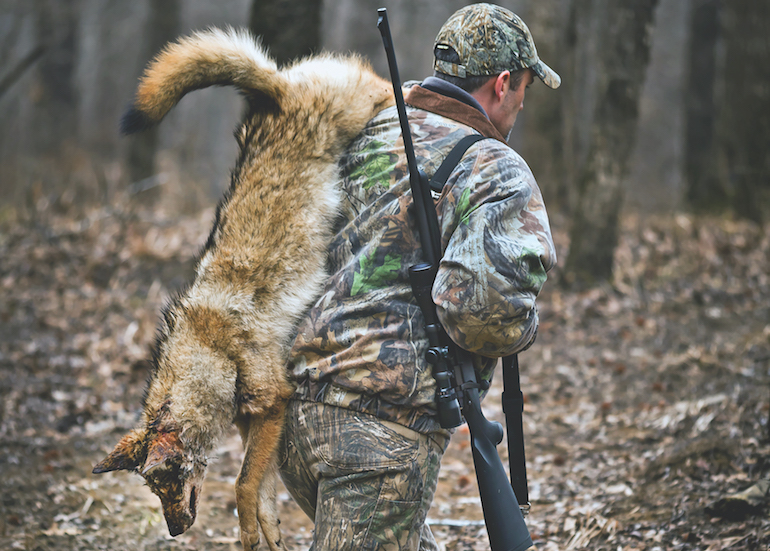
To find 3D courses that specialize in predator hunting, search online for \
Gauge your improvement on 3D courses by tracking your time and score, comparing them to previous attempts, and implementing adjustments to your technique. Focus
Integrate 3D training into regular hunting practices by setting aside time for simulation sessions, analyzing performance metrics, and applying learned skills t
To simulate tough weather conditions during training, consider using wind tunnels, misting systems, or even creating a homemade fog machine. These tools can rep