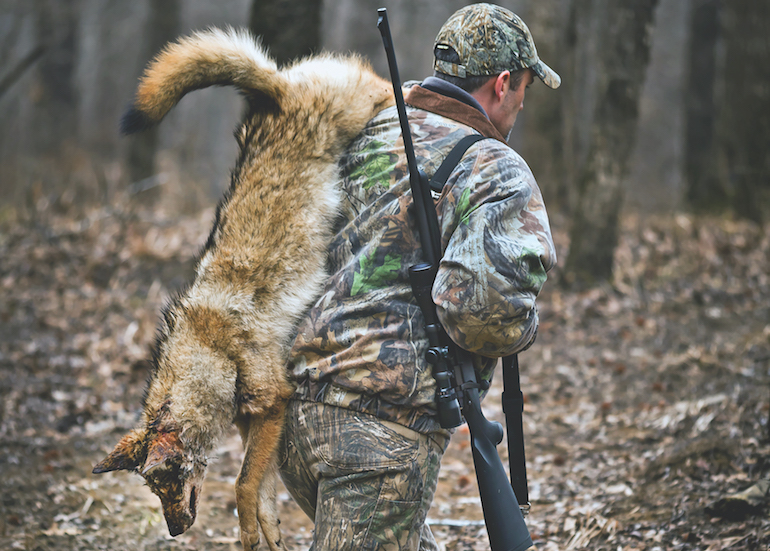
01 — Pillar · Hunting
Expert guides and Q&A about chronic wasting disease.
Q&A in this topic
60 total
Yes, there are CWD testing resources specifically for elk hunters, including free testing for elk harvested in certain states. These resources can help hunters
When hunting in CWD zones, it's crucial to follow strict protocols for cleaning your gear to prevent the spread of chronic wasting disease. Always follow local
When traveling to hunt in areas where chronic wasting disease (CWD) is present, it's essential to follow best practices for prevention, including checking local
In CWD zones, field dressing deer requires taking extra precautions to minimize the risk of disease transmission. This includes wearing protective gear, using p
When reporting CWD suspicions while hunting, immediately contact the local wildlife agency or fish and wildlife service, and provide detailed information about
When transporting carcasses from CWD zones, it's essential to follow strict protocols to prevent the spread of the disease. Use secure, tied-down containers and
For the latest research and updates on Chronic Wasting Disease (CWD), consult the World Animal Health Organization (OIE) and the Centers for Disease Control and
CWD affects elk and moose like it does deer, but the impact and transmission rates may vary.
As of now, there is no conclusive evidence that chronic wasting disease (CWD) can be transmitted to humans through hunting. However, the Centers for Disease Con
CWD Spread Through Water Sources in Hunting Areas: it is extremely unlikely that chronic wasting disease can spread through water sources in hunting areas, as t
Yes, CWD-free zones can be established through hunting regulations, such as restricting the movement of deer and implementing surveillance and testing programs.
Hunting practices can play a crucial role in controlling CWD outbreaks by reducing deer populations, minimizing deer movement and contact, and increasing the ef
Hunting in areas with documented CWD cases is generally allowed, but regulations may vary by state and season. It's essential to check local guidelines before h
No, you cannot use a CWD-positive carcass for taxidermy due to the risk of disease transmission and potential contamination.
Deer that test positive for CWD are generally not considered safe for human consumption.
Handling infected venison can pose a risk of contracting chronic wasting disease (CWD), but the risk is generally low if proper precautions are taken. Transmiss
CWD can be transferred from equipment used in the field, although the risk is relatively low and more closely associated with direct contact with infected deer
While some DIY CWD testing kits claim high accuracy, their reliability is uncertain and may not match that of professional lab tests, potentially leading to mis
It's generally not recommended to use deer antlers from CWD-positive areas for crafts due to the potential risk of disease transmission.
Chronic Wasting Disease (CWD) in deer typically manifests with symptoms such as weight loss, lack of fear for humans, drooping ears, and labored movement. As th
Most reliable methods for CWD testing are those that use real-time quaking-induced conversion (RT-QuIC) or enzyme-linked immunosorbent assay (ELISA) on brain ti
Common Misconceptions About CWD — What’s True:
Hunters must balance their passion for the sport with the responsibility to protect the health of deer populations and prevent the spread of chronic wasting dis
When hunting in areas where Chronic Wasting Disease (CWD) is present, adjust your tactics by increasing the distance of your approach, using scent-control techn
When planning off-grid hunting trips, consider the risk of chronic wasting disease (CWD) and take measures to prevent its spread, such as disposing of deer carc
CWD Awareness Campaigns can be moderately effective if well-executed, as they can increase public knowledge and participation in disease prevention and surveill
CWD Awareness in Schools — How Are Kids Being Educated --- CWD awareness in schools is crucial for young people, as they are more likely to be exposed to infect
When traveling, you can expect to encounter CWD checkpoints, where wildlife agencies will inspect your gear and vehicle for signs of CWD-infected deer, elk, or
CWD Outreach Programs are moderately effective at educating the public about chronic wasting disease, but their impact is often hindered by limited funding, inc
Implementing CWD prevention measures on your property involves regular testing, proper deer handling, and minimizing feed and attractant availability to reduce
STAY INFORMED ABOUT CWD REGULATIONS BY VISITING YOUR STATE FISH AND WILDLIFE AGENCY'S WEBSITE, FOLLOWING SOCIAL MEDIA ACCOUNTS, AND SUBSCRIBING TO NEWSLETTERS O
While there is no definitive proof of CWD resistance in deer, some research suggests that certain breeds or genetic lines may exhibit resistance or slower progr
The National Deer Association, Quality Deer Management Association, and the U.S. Fish and Wildlife Service offer CWD education and resources specifically for yo
CWD Spread in Urban vs. Rural Areas — What’s Different?
To stay updated on CWD surveillance in your state, regularly check the website of your state fish and wildlife agency, sign up for their newsletter or email upd
CWD Surveillance Programs are moderately effective in detecting and monitoring chronic wasting disease (CWD) in wild deer and elk populations. These programs re
CWD Symptoms in Elk vs. Deer — How Do They Differ: Elk and deer infected with chronic wasting disease exhibit similar symptoms, but elk typically display more p
While CWD testing before cooking is not strictly necessary, it is highly recommended to reduce the risk of transmission to humans. Testing can be performed on h
CWD Testing Kits are worth the investment for hunters who harvest deer in areas where the disease is present, as the cost of testing can be offset by the potent
Hunters need to know the CWD testing process involves sampling deer heads and submitting them to a lab for analysis, which typically takes 6-8 weeks for results
CWD testing turnaround time can vary from 1-4 weeks, with most states taking 2-3 weeks to process and provide test results.
CWD testing is typically covered by or included in the cost of a hunting license in many states affected by the disease, although specific regulations vary. Som
If your CWD sample is contaminated, it may lead to inaccurate or inconclusive test results, potentially delaying or preventing necessary management actions to c
Chronic wasting disease (CWD) has significantly impacted hunting seasons, leading to changes in bag limits, seasons, and regulations to prevent disease transmis
Deer behavior changes when CWD is present, including increased activity at night and during periods of extreme weather, reduced movement, and altered feeding pa
Deer with chronic wasting disease (CWD) may exhibit subtle signs that can be challenging to detect during hunting season. However, experienced hunters can recog
Some States Offer Cost-Share Programs for CWD Testing of Carcasses, but Incentives Vary. For instance, landowners and hunters in Wisconsin may be eligible for r
To reduce CWD spread in wildlife, hunters and wildlife managers must employ a multi-faceted approach that includes testing for the disease, implementing strict
Harvesting deer in CWD zones requires adherence to special regulations, including mandatory testing, reduced bag limits, and specific season dates to help preve
CWD carcass regulations are enforced after hunting through a combination of education, compliance checks, and penalties for non-compliance. Hunters are typicall
CWD statistics are compiled and reported annually by the Centers for Disease Control and Prevention (CDC) and the World Organisation for Animal Health (OIE) in
Social media can raise awareness about Chronic Wasting Disease (CWD) by sharing educational content, engaging with hunting communities, and promoting research f
Hunters contribute to CWD research initiatives by providing samples and data to scientists studying the disease. This collaboration helps researchers better und
State wildlife agencies monitor CWD rates by conducting regular surveillance and testing of deer populations.
Deer affected by CWD often exhibit abnormal behavior during the rut, including increased nocturnal activity, reduced movement, and altered social interactions,
CWD can significantly impact the economy of hunting regions by reducing deer populations, thereby affecting hunting licenses, tourism, and local businesses that
Chronic wasting disease (CWD) influences deer migration patterns by altering deer behavior, potentially causing them to change their traditional migration route
In CWD-positive areas, it's recommended to test at least 10-20% of harvested deer annually to track the disease's progression and identify potential hotspots. T
Discuss CWD concerns with fellow hunters by addressing the risks and benefits of hunting in CWD-positive areas, sharing credible information, and encouraging be
Identifying Chronic Wasting Disease (CWD) in deer species involves observing symptoms such as unexplained weight loss, decreased coordination, and abnormal beha