01 — Pillar · Hunting
Expert guides and Q&A about cow calling elk.
Q&A in this topic
60 total
Cow Calls More Effective Than Bugle Calls For Elk.
Cow calls are more effective when paired with lures, as they provide a convincing combination of visual and auditory cues that can draw elk in quickly.
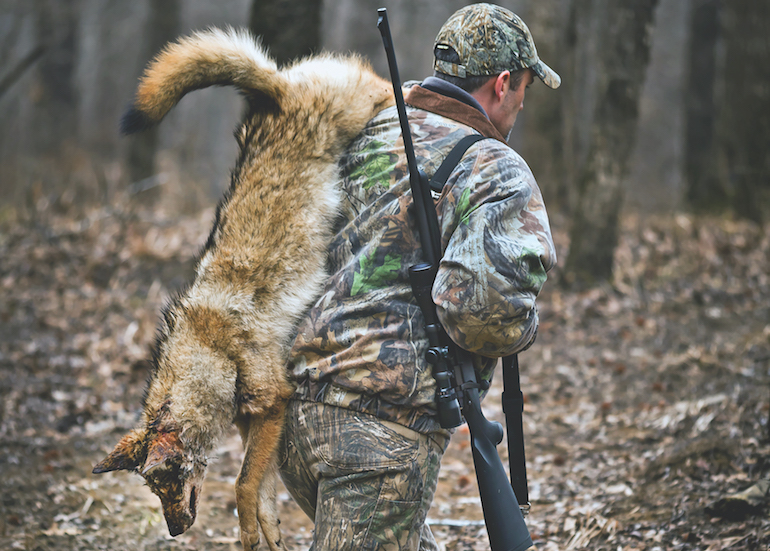
In coyote-dense areas, cow calls can still be an effective hunting tactic, particularly in combination with other calls and decoys, to distract and lure coyotes
When calling elk in high altitudes, there are special techniques that can increase your chances of success. High-altitude elk are more vocal and respond well to
COW CALL TECHNIQUES FOR BEGINNERS Cow calling for elk involves mimicking the sounds of a maternal elk, usually a cow and her calf, to attract bulls within range
For evening elk hunts, the best cow calls are those that mimic the high-pitched sounds of a calf calling its mother, typically with a series of short, repetitiv
For decoying elk in open terrain, the best cow calls are those that mimic the high-pitched sounds of a distressed or curious cow. Calls with a range of 1-2 octa
In the Rockies, the best locations for cow calling elk typically include areas with abundant willow and aspen habitats, such as river valleys and alpine meadows
When using cow calls near water sources, it's essential to remain quiet, keep a safe distance from the water's edge, and focus on making realistic sounds that m
Calling during a full moon can potentially alter elk behavior, as the increased light may make them more alert and cautious, potentially reducing their responsi
Calling pressure can significantly affect elk's response to cow calls, with excessive pressure often leading to caution and avoidance.
Certain Cow Calls Can Be More Effective in the Breeding Season.
Cow Calling Can Spook Other Wildlife In The Area, Including Deer And Turkeys. It's Essential To Be Aware Of Your Surroundings And Know When To Use This Techniqu
Cow calls can be effective for attracting elk in suburban areas, especially when used in combination with other hunting strategies and at the right time of year
Smaller wildlife may be spooked by cow calls while hunting due to their keen senses and ability to associate sounds with potential threats.
Elk can be called in after feeding time, as they tend to be most active and vocal during this period, usually 1-2 hours after sunrise and 1-2 hours before sunse
Elk can indeed be lured by cow calls early in the morning, but it's essential to understand their behavior and the right techniques to increase the chances of s
Estrus calls can be used year-round but are most effective during peak rutting periods, typically in September and October when elk are most receptive to callin
Estrus whines can attract bull elk in early season, particularly during the pre-rut period, when they are searching for receptive females. This is often between
Mew sequences can be an effective way to simulate cow sounds, attracting elk, but their success rate may vary depending on the situation and the elk's familiari
New callers can successfully use cow calls in the field, but it's crucial they learn the proper techniques and understand the different types of cow calls to us
Scent control techniques can enhance cow calling success by minimizing human scent that might spook or alert elk, allowing for a more natural and authentic call
Subtle mew calls can be more effective than loud calls in cow calling elk, as they mimic the softer tones and subtle inflections used by a cow elk, increasing t
Yes, terrain can significantly influence the effectiveness of cow calling for elk. The type of terrain can amplify or mute the sound of the call, affecting the
Elk response to cow calls can be influenced by various weather conditions, including wind direction, temperature, and precipitation.
Elk can be attracted from a distance using cow calls, but effectiveness depends on environmental conditions and caller experience. Cow calls are most effective
Yes, it's possible to call elk successfully without a decoy, but the key is to use the right cow sounds and pay attention to the elk's reaction.
Combining Mew sequences with bugles can indeed increase success rates, especially during the late-season when elk are more alert to sounds. This approach allows
Cow calls can be used near water sources, but it's essential to understand the context and technique.
Yes, you can use cow calls at dawn to attract elk, but it's essential to use the right technique and be prepared for varying responses.
Elk are highly sensitive to sounds and can easily distinguish between the calls of a cow elk and a human. Using cow calls in regions with high elk populations m
Estrus calls can be used for cow elk, but their effectiveness depends on the caller's skill level and the elk's familiarity with the calls. A well-executed cow
Estrus calls can be effective for elk hunting in October, but it's essential to use them judiciously and in conjunction with other hunting strategies. Using est
When using a cow call in the field, remember to start with soft, high-pitched calls to mimic a calf, then transition to a more assertive cow call to attract a b
Bull elk tend to respond better to cow calls within the lower to mid-range frequencies, typically between 180-300 Hz, with some studies suggesting that calls ar
Calves do use different calls that attract bulls, as they employ a range of vocalizations to communicate with their mothers and the rest of the herd.
Different elk herds respond differently to cow calls, due to varying levels of habituation, social structure, and individual animal characteristics.
Elk tend to respond to calls within a specific frequency range, typically between 100-200 Hz, with the most effective frequencies often falling between 140-160
Elk respond better to calls made by experienced hunters who mimic the sounds and patterns of a cow elk's vocalizations.
Mew sequences can vary in effectiveness for different elk subspecies, with some research suggesting that Rocky Mountain elk respond more readily to a \
The size of the elk herd can impact cow calling success, particularly during the peak rutting season. In smaller herds, cow calling may be more effective due to
Using a cow call during a windy day may reduce success, as the wind can distort and muffle the call, making it less effective in communicating with elk.
Effective late-season elk hunting involves using a cow calling strategy, specifically a series of 3-5 low, guttural bugles, followed by a series of 5-7 short, h
Automatic cow calls can be effective but often lack the authenticity and flexibility of manual calls, which allow for more nuanced expressions of elk vocalizati
COW CALLING SKILLS IMPROVEMENT: To improve cow calling skills before the season, practice with different tones, volumes, and rhythms, and record yourself to ana
Short answer: Elk typically become less responsive to repeated calls over time, especially if the calls become too frequent or mimic the same pattern. After 10-
Elk respond positively to cow calls after a rain, as the moisture in the air enhances the sound quality and allows them to detect the calls more easily. They te
Elk respond more consistently to cow calls than to distress calls, as they are social animals that often rely on the familiar sounds of their female companions.
Terrain features significantly impact cow calling for elk, as different terrain types affect the way sound travels and is perceived by elk. Understanding these
Elk's reaction to calls is significantly influenced by weather changes, with calm or overcast conditions typically eliciting more responsiveness than windy or c
Wind conditions significantly impact elk's reaction to calls, as they can detect the sound of a cow elk's call more easily in calm conditions and are often more
Elk hunters typically call every 3-5 minutes to maintain elk interest without exhausting them. Calling too frequently can cause elk to lose interest and associa
Patience is crucial when cow calling for elk, as it allows hunters to wait for the right moment to make a call that will elicit a response from nearby bulls, ty
When hunting elk, it's recommended to call every 5-10 minutes, with a maximum of 5-7 calls per hour, to avoid alerting the elk herd and maintain a subtle presen
Adjust your cow calling based on elk behavior, increasing volume and urgency during peak rutting periods (late September to early October) and using softer, mor
Adjusting calls based on the time of year involves changing the tone, pitch, and duration to mimic the elk's changing vocalizations. During the rut, a more aggr
To breathe life into your cow calling techniques, focus on pitch variation, breath control, and consistency. Practice calling at different times of day and in v
To choose the right cow call for your location, consider the species of elk, terrain, and time of year, as different regions require specific tonal qualities an
To accurately mimic estrus whines for elk hunting, mimic the high-pitched, nasal calls of a cow elk in distress, using a series of short, descending notes. Aim
Bull elk will often respond to cow calls with a series of bugles, which can range from a loud, high-pitched call to a softer, more nasal tone. The response may