01 — Pillar · Hunting
Expert guides and Q&A about google earth scouting.
Q&A in this topic
60 total
Terrain features on Google Earth are generally accurate for scouting, but may have limitations, especially for areas with rapidly changing terrain or recent hum
When scouting with Google Earth, common pitfalls to avoid include misinterpreting vegetation density, underestimating water sources, and overemphasizing recent
Yes, activating specific layers in Google Earth can enhance scouting insights for hunting, including terrain features, historical imagery, and weather data.
Yes, Google Earth offers specific tools for evaluating hunting terrains, including terrain analysis, historical imagery, and 3D viewing options.
Yes, Google Earth offers various tools for hunting analysis, including the ability to measure distances and calculate angles, as well as access to historical im
Benefits of historical imagery in Google Earth scouting include identifying seasonal changes, tracking long-term habitat shifts, and uncovering previously hidde
To effectively use Google Earth before a hunting trip, study the terrain, identify funnels and bedding areas, and analyze historical imagery to understand seaso
Google Earth can aid in planning stalking routes for big game by allowing hunters to study terrain features, funnels, and bedding areas. This platform provides
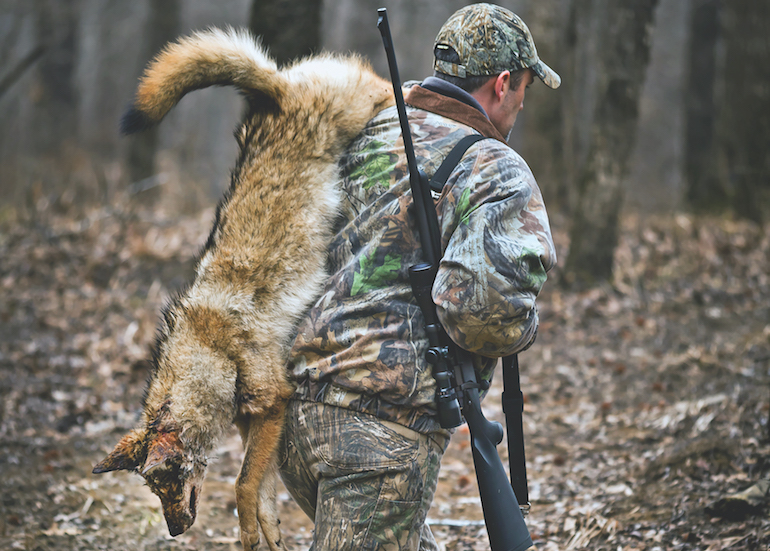
Google Earth can assist in locating predator routes by analyzing terrain features, historical imagery, and patterns of use, allowing hunters to identify areas w
Google Earth can assist in spotting seasonal food sources for deer by providing satellite imagery, which allows hunters to identify areas with specific vegetati
Google Earth can assist in understanding seasonal animal behavior by providing satellite imagery and historical data to analyze terrain features and patterns of
Google Earth can be used to identify potential deer bedding areas by analyzing terrain features, such as ravines, hollows, and creek bottoms, using historical i
Google Earth can be a valuable tool in locating hidden ponds that attract wildlife by utilizing its historical imagery and terrain analysis features.
Google Earth can be a valuable tool in finding escape routes for game.
Google Earth can be a valuable tool for understanding deer migration routes by analyzing terrain features, such as funnels and bedding areas, and using historic
Google Earth can help locate specific deer feeding areas by analyzing satellite and aerial imagery, terrain features, and patterns.
Google Earth can be used to track changes in animal migration patterns by analyzing historical imagery and terrain features.
Google Earth can highlight elevation changes critical for hunting, allowing you to identify areas where game animals are likely to move or bed. This information
Google Earth can provide insights into hunting pressure in key areas by analyzing satellite imagery and terrain features.
Short answer: Yes, Google Earth can reveal hidden game trails and underlying terrain features that are not visible on the ground.
Historical imagery can indicate changes in deer density over time by tracking vegetation changes, land use patterns, and habitat modifications.
Historical images can identify changes in forest cover for hunting by comparing past and present satellite imagery, allowing hunters to assess terrain changes a
Comparing Google Earth images with local terrain for accuracy is a good practice for scouting hunting areas, especially when combined with historical imagery.
Yes, you can find campsite locations near hunting zones using Google Earth by utilizing satellite imagery, terrain analysis, and historical imagery to identify
Yes, you can find fellow hunters' reviews and insights on specific hunting sites using Google Earth, but you need to know where to look.
You can find general information about hunting areas on Google Earth, but specific legal boundaries will vary by region and jurisdiction, requiring research bey
You can find legal hunting area boundaries through Google Earth by using its overlay feature, which allows you to download and display public data layers such a
Yes, you can find potential deer crossings using Google Earth imagery by analyzing terrain features, vegetation patterns, and other visual cues such as stream a
YES, you can find resources for hunting ethics via Google Earth.
Yes, you can overlay wildlife management area boundaries on Google Earth.
Historical imagery can be used to analyze landscape changes over time, allowing hunters to identify and track shifts in terrain features, such as the formation
Yes, you can find water sources on Google Earth for game, by using imagery layers, zooming in on potential areas, and looking for water-related features such as
Yes, certain terrain features can indicate likely bedding areas for deer, such as areas with dense cover, near water sources, and on north-facing slopes.
Elevation changes significantly impact wildlife behavior visible on Google Earth, particularly in terms of terrain features, funnels, bedding, and movement patt
Deer behavior is significantly influenced by terrain features like ridges or valleys, often using them as travel corridors, bedding areas, or escape routes.
Animal behavior visible on Google Earth is indeed influenced by terrain features.
Google Earth provides reasonably accurate measurements for terrain features with an average error of 20-30 meters. However, precision can be improved using vari
Google Earth provides valuable insights into predator-prey relationships, enabling hunters to analyze movement patterns, identify key areas, and understand habi
Google Earth shows recent changes in land use, allowing hunters to identify potential changes in terrain features, funnels, and bedding areas that may affect th
Google Earth assists in planning effective hunting routes by providing detailed topographic maps, historical imagery, and terrain analysis, allowing hunters to
Google Earth can enhance scouting for beginner hunters by allowing them to visually analyze terrain features, identify potential game routes, and study habitats
Seasonal change can affect visibility on Google Earth due to vegetation growth, snow cover, and changes in satellite imagery.
Terrain visibility on Google Earth changes with different seasons due to varying vegetation density, snowfall, and other environmental factors. This impacts our
Vegetation density significantly impacts scouting on Google Earth as it can obscure or reveal valuable information about terrain features, animal behavior, and
Weather affects hunting conditions visible on Google Earth by altering terrain visibility, vegetation cover, and water levels, making it essential to understand
Satellite images on Google Earth typically update every 30-90 days for high-resolution imagery and every 1-3 years for medium-resolution imagery, depending on t
Check Google Earth images 1-3 months before the hunt to identify seasonal changes, track animal movement patterns, and locate key terrain features such as funne
Google Earth's wildlife coverage is generally reliable for mapping terrain features, but its accuracy for identifying specific habitats, funnels, and bedding ar
Use Google Earth to analyze cover types for hunting strategies by identifying key terrain features, such as funnels and bedding areas, and layering historical i
Analyze topographic maps with Google Earth by identifying terrain features, such as ridges, valleys, and water sources, to locate areas where game may congregat
To assess accessibility to remote areas using Google Earth, zoom in on the location and use the ruler tool to measure distances and angles between terrain featu
Combine other mapping tools with Google Earth by integrating them into your scouting process through data overlays and manual annotation. This enhances your und
To effectively mark animal sign locations on Google Earth, use a consistent naming convention and organize your placemarks in folders for easy access. This help
Identify escape routes using satellite imagery by analyzing terrain features such as water sources, ridges, and valleys on historical images to look for pattern
To identify food sources using Google Earth maps, locate areas with abundant vegetation, water sources, and topographic features like ridges, valleys, and funne
Hunting funnels can be identified using Google Earth imagery by looking for specific terrain features, such as ridges, valleys, and bodies of water, that conver
To identify optimal vantage points for spotting wildlife using Google Earth, look for terrain features like ridgelines, water sources, and edges, and use histor
Identify potential coyote dens using satellite imagery by locating areas with dense vegetation, rocky outcroppings, and funnel-shaped terrain features that can
To interpret Google Earth's terrain layers for hunting, zoom in on the landscape to identify key features such as ridges, valleys, and funnels, which can help l
Mark and save waypoints on Google Earth for hunts by using the built-in features to add placemarks and save them for future reference.