01 — Pillar · Hunting
Expert guides and Q&A about horseback hunting.
Q&A in this topic
60 total
There are several saddle options that can enhance a hunter's experience, including treeless and semi-treeless saddles, which reduce fatigue and allow for greate
Horseback hunting regulations vary by state, so it's essential to check with your state's fish and wildlife agency for specific requirements. Horseback hunting
Yes, there are specific saddlebags designed for tracking and calling, often referred to as \
When choosing a horse for hunting trips, prioritize agility, endurance, and sure-footedness, ensuring the horse can navigate challenging terrain and unpredictab
When horseback hunting, ensure firearms are properly secured and stored to prevent accidental discharges or injuries to horses. Always keep the muzzle pointed a
To manage horse anxiety during hunts, establish a pre-hunt routine, gradually increase exposure to hunting stimuli, and consider the use of calming supplements
To minimize noise while riding through hunting areas, use a soft saddle, wear quiet clothing, and approach water sources and game trails cautiously, avoiding lo
When packing gear on a horse for hunting, keep it balanced, secure, and easily accessible. Load the heaviest items low and center, distribute weight evenly, and
To protect your horse from insects while hunting, consider using insect repellents and protective gear such as fly masks and leg wraps, and take steps to reduce
For long-distance horseback hunts, I recommend a saddlebag with 2-3 compartments, a hydration system, and extra storage for essentials like first aid kits, snac
For horseback hunting in the Rockies, the best time is typically late September to early November, with optimal conditions in October. This allows for comfortab
For horseback hunting in the Pacific Northwest, consider trails in the Gifford Pinchot National Forest, the Mount Hood National Forest, and the Columbia River G
To introduce new gear to your horse before hunting, it's essential to start with a gradual process, using small steps and plenty of positive reinforcement. Begi
Horseback hunting can be done ethically and safely when guided by proper techniques and a thorough understanding of the environment and the hunted species. This
Horseback hunting can be effective for small game, as the elevated vantage point and mobility provided by a horse allow hunters to cover more ground and track g
Horseback hunting allows hunters to cover more ground effectively by traveling longer distances and traversing challenging terrain, increasing the likelihood of
Horseback hunting can indeed improve your chances of spotting game. Horseback hunting allows for faster and more extensive coverage of terrain, giving you a gre
Horseback hunting can significantly improve your chances of success by allowing you to cover more ground, track game more efficiently, and respond quickly to ch
Horses can scare away deer while hunting, especially if they are not well-trained or if the deer have not become accustomed to their presence.
Yes, you can bring a dog while hunting on horseback. However, certain considerations must be taken into account to ensure both you and your dog's safety. This i
Horseback hunting for elk is a viable option for many experienced hunters, but it requires proper planning, equipment, and skills to ensure a safe and successfu
While a horse can be a valuable companion during remote hunts, relying solely on it for navigation can be unreliable due to its limited knowledge of the terrain
Yes, you can use a GPS app to track your horse while hunting, but it's essential to choose a reliable app with offline capabilities and consider the terrain's i
A Western saddle can be used for long-distance hunting, but consider the terrain, weight capacity, and rider's comfort before choosing this saddle style.
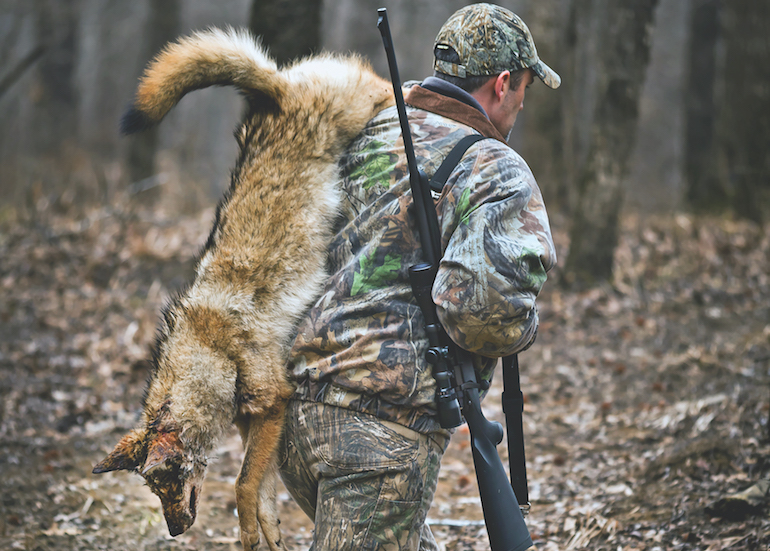
Coyote hunting from horseback can be effective, particularly for experienced riders and hunters who understand the terrain and behavior of coyotes. This method
To hunt deer with a horse, you'll need experience with both horseback riding and hunting; familiarize yourself with local terrain and regulations, and plan for
Horses naturally have an aversion to certain wildlife that may be considered a threat, such as bears, mountain lions, or wild boars, and they will often change
In most states, a special permit is not required for horseback hunting, but it's essential to check local regulations, as some areas may have specific rules or
Saddle choices can significantly impact a horse's performance in the field, affecting its comfort, mobility, and ability to carry a rider safely and efficiently
Essential first aid gear for horses during hunts includes a comprehensive kit that includes items such as bandages, antiseptic wipes, and pain-relieving medicat
When horseback hunting, riders must be aware of their surroundings, wear proper riding gear, and maintain control of their horse at all times to ensure a safe a
Horseback hunting in winter requires extra gear to stay safe and warm. This includes insulated riding gear, heated accessories, and specialized equipment for hu
Horse insurance is essential for hunting trips, as it can provide financial protection in case of accidents, theft, or veterinary emergencies.
Different saddle types can significantly impact your hunting experience, affecting your stability, comfort, and ability to navigate challenging terrain, ultimat
A horse's temperament plays a significant role in hunting success, as a well-mannered and responsive horse can help hunters navigate challenging terrain, avoid
A horse can safely carry a rider weighing up to 280 pounds, depending on the breed, size, and fitness of the horse. Riders should consider the horse's weight ca
You should check your horse's gear before, during, and after every hunt. This includes saddle, bridle, girth, and all other equipment to ensure they are secure
Assess your horse's fitness by evaluating its endurance, agility, and stamina through a combination of physical checks, conditioning exercises, and simulated hu
Assess trail conditions by observing recent weather, terrain, and vegetation, and checking for signs of erosion, water crossings, and potential hazards such as
Choose a saddle with a weight capacity that matches your riding style and the weight of the gear you'll be carrying, typically 20-30 pounds. Consider a saddle w
Choose a saddle pad with adequate cushioning and breathability for long rides, considering the horse's back, the ride's duration, and the terrain.
To determine if a saddle fits your horse properly, observe your horse's behavior and movement, and inspect the saddle for proper fit and alignment.
To effectively train your horse for steep ascents during hunts, focus on building its endurance, agility, and strength through regular hill work, gradually incr
To ensure your horse is comfortable carrying game, regularly condition its back muscles with pack weights, and introduce loaded saddles gradually, starting with
Horse-friendly trails for hunting can be found by consulting local park rangers, horse riding clubs, or trail associations, who often maintain maps and director
To handle a horse during a hunting encounter, remain calm and composed, communicate effectively with your horse, and execute precise commands to maintain contro
Identify good resting spots for your horse on a hunt by looking for shaded areas, level ground, and proximity to water sources. Avoid areas with steep slopes or
Introduce your horse to hunting environments by starting in controlled, low-pressure settings and gradually increasing exposure to noise, crowds, and terrain. B
To keep your horse calm while hunting in the woods, establish a clear and consistent communication system, provide a calm and focused environment, and invest in
To maintain your horse's energy during a long hunt, provide regular breaks, adjust the pace, and ensure proper hydration and nutrition.
To maintain proper nutrition for your horse during hunting expeditions, provide a balanced diet rich in energy, protein, and essential vitamins and minerals. Of
To navigate with horses in remote hunting areas, consider using a GPS device, compass, and map to track your route. Bring a reliable guidebook, know the terrain
Pack a horse for overnight hunting trips by prioritizing essentials like food, water, and first aid, and distributing weight evenly across the saddle and pannie
To prevent your horse from developing a fear of new environments, start by introducing them to new settings gradually, using positive reinforcement and a calm d
To prevent your horse from getting overheated during hunts, ensure it has access to adequate water, provide regular breaks to cool down, and monitor its body te
Secure gear in saddle bags with a combination of bungee cords, cargo nets, and careful item placement to prevent shifting and damage during rough terrain.
To secure your gear on horseback, use a combination of saddle bags, cinches, and tie-downs to keep equipment within reach and prevent it from shifting during ri
To teach a horse to respond to commands while hunting, establish clear communication through consistent training, desensitize your horse to hunting stimuli, and
Your horse is ready for hunting when it demonstrates a calm demeanor in the presence of game, navigates challenging terrain with ease, and responds promptly to
To train a horse for hunting trips, establish clear communication, build trust, and simulate hunting scenarios. This involves desensitizing the horse to sounds,