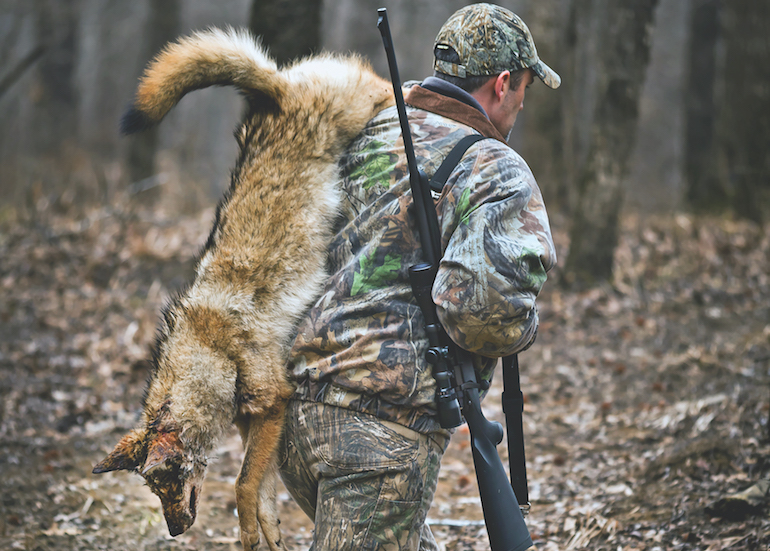
01 — Pillar · Hunting
Expert guides and Q&A about hunting photography.
Q&A in this topic
60 total
Candid shots are often more impactful than posed hunting photos because they capture genuine emotions and unscripted moments, allowing the viewer to connect wit
The optimal months for capturing wildlife movements vary depending on the species, region, and type of movement, but generally, peak activity periods occur duri
There are specific ethics around photographing game after harvest, which include respect for the animal, honesty in representation, and consideration for other
Capturing intimate wildlife moments requires patience, stealth, and the right techniques to get up close and personal with your subject without disrupting its n
Share hunting photos online through social media platforms like Instagram, Facebook, and Twitter, or through dedicated hunting forums and websites. Utilize high
Ideal lighting conditions for capturing early morning hunts involve soft, diffused light, typically 30 minutes to 1 hour after sunrise, when the sun is low in t
The best places to capture wildlife in the Rocky Mountains include the high-altitude lakes and meadows of Wyoming's Jackson Hole, the alpine tundras of Colorado
To capture the thrill of the hunt in pictures, focus on the action, the environment, and the story behind the experience. Use camera settings that freeze the mo
To integrate storytelling in hunting photography, capture candid moments, use a neutral expression, and focus on authentic settings. This approach helps convey
To effectively tell a story through hunting photos, focus on capturing a series of images that showcase a well-planned and executed hunt, while also highlightin
To photograph waterfowl in flight, position yourself 100-200 yards from a blind or elevated platform with a clear, unobstructed view of the sky. Use a telephoto
To capture candid moments during a hunt, it's essential to blend in with the environment, anticipate and prepare for key moments, and have the right camera sett
Aperture priority mode can enhance your outdoor photography by giving you precise control over the depth of field, allowing you to isolate your subjects from th
Black and white photography can greatly enhance hunting stories by adding a timeless and nostalgic touch, emphasizing key details, and creating a more intimate
Black backgrounds can indeed improve the focus in wildlife shots by creating a clear contrast between the subject and the surroundings, allowing the viewer to f
Capturing the hunting process itself can indeed tell a more compelling story, as it showcases the dedication, skill, and respect for nature that come with the h
EDITING SOFTWARE CAN ALTER THE PERCEPTION OF A HUNTING NARRATIVE BY MANIPULATING COLOR GRADIENTS, SHADOWS, AND COMPOSITION, BUT CARE SHOULD BE TAKEN TO MAINTAIN
Editing software can enhance the authenticity of hunting photos by subtly adjusting and fine-tuning the image without losing its natural essence. This involves
Field photos can be a powerful tool for wildlife conservation advocacy, allowing viewers to connect emotionally with the animals and the issues at hand.
Yes, you can capture ethical trophy photos without disturbing wildlife by using a telephoto lens, setting up a blind, and understanding the animal's behavior be
Combining hunting with landscape photography is not only possible but also highly rewarding, allowing you to capture stunning images of the natural world, your
An old smartphone can be used for quality field photography, especially for casual or social media purposes. However, high-end cameras and specialized equipment
Landscape elements can indeed add depth to hunting photographs, by creating layers of visual interest and context that engage the viewer and tell a story about
Photographing hunts can indeed help promote conservation efforts by showcasing responsible and sustainable hunting practices to a wider audience.
Post-processing techniques can enhance the representation of hunts by adjusting camera settings, correcting for lighting conditions, and applying subtle edits t
Terrain can significantly affect camera angle and positioning during a shoot, requiring hunters to adapt and be creative in order to capture the desired shot.
Time of day can significantly impact wildlife visibility during hunts. Hunters often find that early morning hours, specifically between 30 minutes before sunri
Touching up photos can indeed impact ethical hunting representations by altering the natural appearance of the hunter, the animal, and the environment, potentia
Wildlife photography skills can enhance your hunting success by providing a deeper understanding of animal behavior, habitat, and body language, ultimately impr
Drone photography can be a valuable tool for documenting hunting trips, providing a unique perspective and opportunity to capture stunning images, while also pr
A medium to high aperture between f/4 and f/8 is ideal for crisp hunting photos, allowing for a shallow depth of field to blur the background while keeping the
Environmental conditions can enhance the mood of a photo by adding depth, texture, and context through natural lighting, colors, and backgrounds. Understanding
Ethical considerations can impact social media sharing of photos by requiring hunters to respect the animal and its environment, avoiding graphic or disturbing
Ideally timed photos enhance the storytelling aspect by capturing decisive moments, revealing the subject's behavior, and conveying the emotion of the scene, al
Light pollution can significantly impact nighttime hunting photography by overpowering the available light, making it difficult to capture clear images of subje
Understanding the behavior of prey species is crucial in hunting photography, as it allows you to anticipate and capture their natural behaviors, resulting in m
The presence of other wildlife can impact photography opportunities by creating unexpected distractions, providing additional context to the primary subject, an
Seasonal changes significantly affect wildlife behavior, influencing when and how animals are active, interact with their environment, and respond to predators
Familiarizing yourself with your camera before a hunt is crucial, as it ensures you can capture high-quality photos in the heat of the moment, and also helps yo
For effective wildlife photography, a minimum of 300mm zoom is recommended, but ideally, a 500mm or 600mm zoom is preferred for capturing high-quality, distant
Clean your camera gear at the end of each hunting day to prevent dust and debris from accumulating and affecting image quality. This is especially important whe
RESPECTING WILDLIFE WHILE CAPTURING MOMENTS: AVOID HARM AND MAINTAIN HONESTY IN YOUR PHOTOS BY RESPECTING DISTANCE, AVOIDING DISRUPTIONS, AND FOCUSING ON THE SP
Conveying a sense of adventure in your hunting imagery involves capturing the raw emotion, rugged terrain, and dynamic wildlife interactions that define the hun
To convey the hunting experience through images, capture candid moments, use a mix of wide-angle and close-up shots, and experiment with natural light. Consider
To create emotional resonance through hunting photography, capture genuine moments, tell a story, and convey respect for the wild. Use natural light, dynamic co
To ensure safety while capturing field photos, scout the area beforehand, stay alert, and follow established guidelines for interacting with wildlife. Wear prot
To frame a trophy photo for maximum impact, choose a clear background, capture the animal's natural pose, and consider a low-angle or dramatic lighting setup.
To maintain audio equipment while filming hunts, invest in windshields for microphones, use directional microphones, and regularly clean and inspect equipment f
To photograph a successful hunt without glamorizing violence, focus on the hunter's skill, the natural environment, and the animal's story, rather than the kill
To enhance hunting photos using natural light, position your subject near a north-facing location or under a shaded area to avoid harsh midday sun. Utilize the
To create dramatic hunting images using silhouettes, position your subjects against the brightest light source, such as a sunrise or sunset, and adjust your cam
A telephoto lens is not essential for distant wildlife shots, but it is highly recommended for capturing high-quality images and maintaining a safe distance fro
A wide-angle lens is better for capturing expansive hunting landscapes, allowing you to fit more of the environment into the frame and convey a sense of scale.
For hunting photography, a mirrorless camera provides better performance and convenience, making it the preferred choice due to its faster autofocus, improved b
HIGH ISO IS NOT ALWAYS BENEFICIAL FOR LOW-LIGHT HUNTING PHOTOGRAPHY. IT CAN LEAD TO NOISE AND DIGITAL ARTIFACTS THAT COMPROMISE THE IMAGE QUALITY. A BALANCED AP
Scouting locations before taking hunting photos is highly beneficial as it allows hunters to gain valuable information about the terrain, understand the movemen
Documenting hunts on private land can be a valuable storytelling tool if done respectfully and with permission from the landowner and any participants involved.
Photographing animals in distress for storytelling can be a delicate matter, and it's essential to consider the potential harm and emotional impact on both the
Investing in a gimbal for stable hunting videos is a worthwhile investment, especially for professional photographers or those who frequently create high-qualit
CROP_SENSOR_ADVANTAGE: Using a crop sensor camera in hunting offers an advantage due to its smaller sensor size, which allows for a wider angle of view, increas