01 — Pillar · Hunting
Expert guides and Q&A about layout blind concealment.
Q&A in this topic
60 total
Heavier blinds can be more effective at concealment, but their effectiveness depends on the layout and terrain of the hunting area.
Layout blinds can be a worthwhile investment for beginners, as they offer a high level of concealment and can increase the chances of a successful hunt. However
Lightweight blinds are less effective for concealment due to their reduced bulk and visibility of support structures.
Stubble straps are moderately effective for blind blending into a layout, offering reasonable camouflage, particularly in early growth stages or when used in co
Synthetic stubble straps can be an effective alternative to natural material for layout blind concealment, offering a consistent and long-lasting appearance tha
Regulations regarding the use of stubble straps in wildlife refuges vary by location and can be found on the refuge's website or through contact with the refuge
The best material for layout blind concealment is a camouflage net made of durable, scent-free, and weather-resistant materials such as nylon or polyester. Thes
To effectively apply natural vegetation to blinds for optimal concealment, use a combination of branches, leaves, and other foliage to create a natural, three-d
When setting up a layout blind in snow, use a camouflage design that blends with the surrounding environment, place it in a spot with a clear escape route, and
To conceal blinds near agriculture fields, hunters should use crop lines, fence rows, and natural vegetation to blend in. Avoiding obvious patterns and colors i
To conceal a layout blind in open fields, hunters should use natural camouflage techniques such as blending into the surroundings, minimizing visibility, and us
The best time to hunt over layout blinds is during the peak whitetail deer rut, which typically occurs in late October and early November, or during the late se
To conceal a blind in flat terrain, hunters can use natural cover such as grasses, weeds, or small trees, and create a camouflage layout using leaves, twigs, an
To conceal a blind in sparse brush, use natural cover, camouflage, and strategic placement to blend with the surroundings. Create a natural-looking layout with
To hide a blind near water sources, use camouflaged canopies, low-growing vegetation, and positioning techniques such as angling the blind towards the water to
For late-season geese, set up a blind in a spot with minimal snow cover and a clear shooting lane, ideally 20-30 yards from a known feeding or loafing area. Use
Altering blind shape can significantly improve concealment and comfort, allowing hunters to get closer to their targets without being detected. By modifying the
Yes, camouflage patterns can significantly affect blind stealth in various regions due to differences in vegetation, terrain, and light conditions. Effective ca
Custom camouflage patterns can indeed enhance blind effectiveness. They allow hunters to blend in more seamlessly with their surroundings, making it more diffic
Yes, grass type can impact the effectiveness of stubble straps in layout blinds, as certain types of grass may be more difficult to conceal in or may hinder the
Hunting movement within the blind can significantly impact success rates, as even slight movements can alert wary game. The proximity of the hunter to the blind
Yes, you can customize your layout blind for improved concealment by adjusting the blind's size, shape, and color to blend with the surrounding environment, and
Yes, old grass can be used for stubble straps without issues, as long as it is properly prepared and maintained. However, its effectiveness may vary depending o
LAYOUT BLIND PLACEMENT CAN BE OPTIMIZED BY CONSIDERING TOPOGRAPHY FEATURES AND USING SPECIFIC TECHNIQUES TO MAXIMIZE CONCEALMENT AND EFFECTIVENESS.
Layout Blinds can be adapted for different seasonal conditions by incorporating various modifications to the blind's design and camouflage strategy.
Layout blinds can be disassembled for easier transport, allowing you to break them down into more manageable components.
Layout blinds can be used effectively in diverse terrains, but their success depends on proper placement and concealment. A well-camouflaged layout blind can bl
Yes, layout blinds can be used in heavily treed areas, but it requires careful planning and concealment techniques.
Layout blinds can be used in heavily-visited areas, but they require careful placement and concealment to remain effective. A well-placed layout blind can be ne
Wind direction can indeed affect the success of blind concealment by blowing scents, sounds, or even visual cues towards hunters, thus compromising their concea
Yes, you can blend a layout blind into snowy terrain effectively with the right techniques and materials.
You can still hunt successfully near a layout blind that is too bright, but you'll need to use camouflage and concealment techniques to reduce its visibility fr
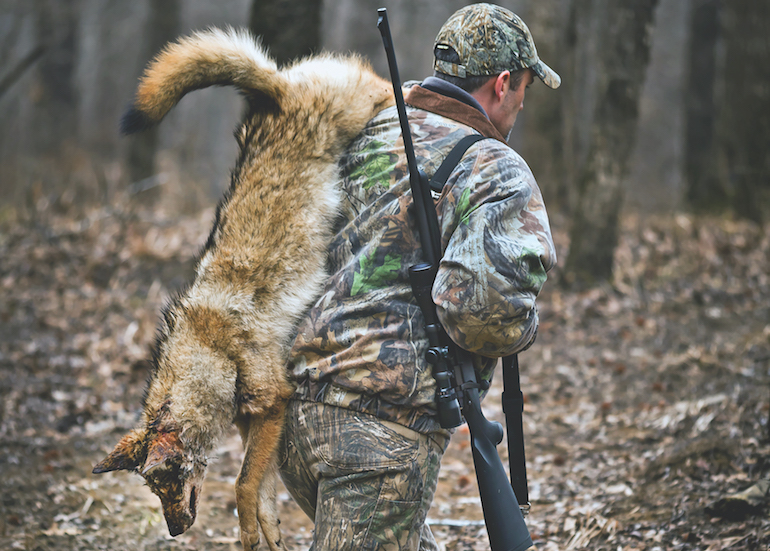
Layout blinds can be used for predator hunting, offering a secure and concealment-rich environment to set up and hunt predators.
Yes, but urban hunting scenarios require a higher level of concealment and stealth due to increased human activity and potential noise disturbance, making layou
Natural camouflage can be used in conjunction with layout blinds to increase concealment and effectiveness, but it is not a replacement for proper blind setup a
Layout blinds can be an effective tool for timber hunting, allowing hunters to conceal themselves in a natural setting while monitoring movement patterns. They
Choosing The Right Stubble Straps For Your Needs involves considering the length of your blind, the type of concealment you're after, and the terrain you'll be
Animals tend to avoid areas with frequent blind activity, which disrupts their natural behavior and increases their stress levels. This is because blinds can ca
Animals can become more cautious around frequently used blinds due to scent and visual cues from hunters, compromising the effectiveness of the blind over time.
Animals can learn to recognize layout blinds over time, often associating the shape and scent of the blind with human presence, which can impact hunting success
Birds Notice Layout Blinds More During Migration Season due to increased alertness and heightened visual awareness, making it more challenging to hunt effective
Deer often become skittish around layout blinds, especially if the concealment is poor, as they can see and smell the surroundings more easily.
Different species exhibit distinct behavioral responses to blind concealment in hunting scenarios, often influenced by their unique characteristics, habitats, a
Different species require specific blind styles to effectively blend in with their surroundings and avoid detection.
Layout blinds can provide sufficient comfort for long hunts, depending on the design, size, and features of the blind, as well as the hunter's personal preferen
Layout blinds can provide sufficient cover for bowhunters, especially when set up in areas with minimal human activity and adequate vegetation. However, they ma
Layout blinds are most effective with still-hunting and stalking styles, where the hunter can set up and remain near the blind for longer periods to effectively
Layout blinds can be effective for dove hunting when properly set up and used. They provide a concealed location for hunters to observe and take aim at doves.
Layout blinds can work in open fields, but their effectiveness depends on the terrain, vegetation, and distance from the target area.
LED Lights Affect blind concealment at night, especially when they're not used properly. LED lights can either help or hinder your stealth, depending on how you
In the United States, a permit is usually not required for using layout blinds on public land, but it is essential to check with the specific state's wildlife a
Yes, in most states, you need a specific license or permit for blind hunting, also known as layout blind hunting. This type of hunting often involves setting up
Weather Affects Layout Blind Concealment, as varying conditions impact visibility and visibility detection by the hunter.
To achieve optimal concealment in a field blind, hunters should focus on matching the surrounding terrain, using camouflage patterns and vegetation to blend in.
Field matching should be detailed enough to replicate the exact colors and texture of the surrounding environment, but not so detailed that it becomes time-cons
Minimize human scent around a layout blind by wearing scent-absorbing clothing, using scent-eliminating products, and avoiding heavily scented foods and persona
Light Exposure Affects Layout Blind Visibility by reducing visibility of the blind's outline and colors, making it more difficult for animals to detect. Bright
Stubble straps can be moderately effective in heavy vegetation, as they can help break up the outline of a hunter and reduce the visual impact of movement, but
Concealment is crucial to hunting success as it allows hunters to get close to their prey undetected, increasing the chances of a successful shot or harvest.
Typically, 2-3 hunters can fit comfortably in a layout blind, depending on the size of the blind and the hunters' physical presence.