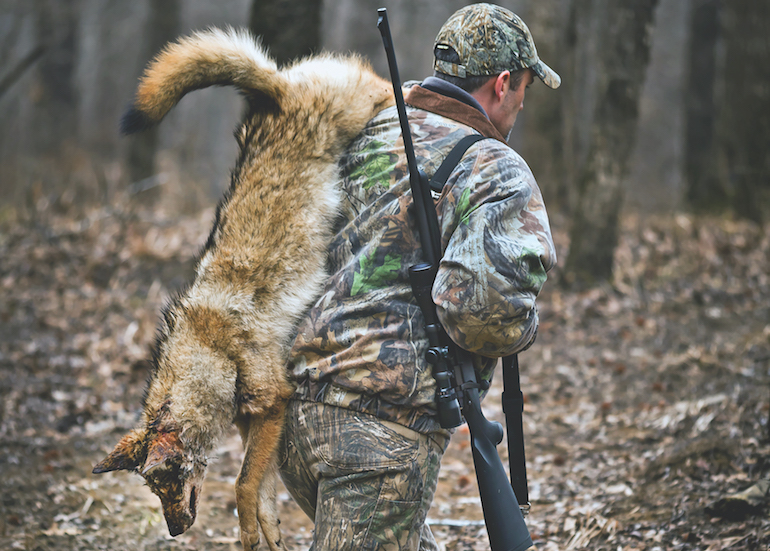
01 — Pillar · Hunting
Expert guides and Q&A about long range hunting ethics.
Q&A in this topic
60 total
In high-pressure systems, hunting can lead to increased animal stress, potentially compromising the hunt's ethics and impacting the quality of the experience. T
When hunting at long range, variable winds require precise calculations to compensate for bullet drift. Shooters should use wind calls or ballistic software to
To estimate distance ethically with minimal bias, hunters can use methods such as measuring known distances, using a rangefinder, or relying on a spotter with a
When tracking after a long-range shot in the field, it's essential to cover the kill zone thoroughly and methodically, following a consistent pattern to ensure
Assessing deer behavior before a long-range shot involves observing body language, tracking movement patterns, and considering environmental factors. Look for s
When shooting at moving targets at long distances, it's essential to maintain a steady breath, use the right scope magnification, and utilize a laser rangefinde
For long-range hunting while maintaining ethics, consider rifles with high-quality optics, precision stocks, and accurate barrel profiles. These features allow
A missed long-range shot can indeed affect hunting ethics, as it may result in wounding an animal and causing unnecessary suffering, or lead to the consumption
Yes, ethical concerns can limit the use of long-range rifles as overhunting can cause unnecessary suffering and damage to the environment. Ethical hunters must
LONG_RANGE_HUNTING_ETHICS: Yes, hunting ethics can change based on the region's wildlife regulations, which often dictate specific rules for equipment, techniqu
The ethical implications of long-range hunting can indeed vary by species, as some species may be more vulnerable to long-range hunting than others, and certain
Weather patterns can significantly influence decision-making in long-range hunting, affecting game movement, habitat selection, and visibility. Understanding th
Shooting in windy conditions poses significant challenges for ethical hunters, as it requires precise bullet placement, wind compensation, and consideration of
When making a shot during heavy wind gusts, it's crucial to compensate for the wind's impact on bullet trajectory, take into account the wind gust's duration an
When considering a long-range shot, hunters must weigh the risks of wounding the animal against the potential for a humane kill. If the risk of wounding increas
Environmental factors significantly impact ethical long-range hunting practices, requiring hunters to adapt and adjust their strategies to ensure a clean, human
Hunting pressure affects deer behavior, causing them to become more alert and vigilant in areas with high hunting activity. This may lead to changes in their mo
Hunting pressure affects the ethical implications of long-range shots by altering animal behavior and potentially reducing the effectiveness of shots, making it
Minimizing recoil can significantly enhance ethical shooting practices by allowing hunters to maintain control over their firearms and quickly follow up on thei
Public opinion does not directly dictate ethical practices in long-range hunting, but it can significantly influence the way hunters perceive and implement ethi
LONG RANGE SHOOTING ETHICS ARE INFLUENCED BY TERRAIN.
Using rangefinders in long-range hunting doesn't inherently change the ethics, but it does alter the hunter's decision-making process and responsibility to ensu
Yes, the hunting environment significantly affects long-range shot ethics, with factors like terrain, wind, and vegetation influencing the need for precision an
A hunter's decision to take a long-distance shot is influenced by factors such as wind resistance, bullet drop, and animal behavior. The shot's distance, rangin
To use bipods effectively in long-range hunting, position yourself at a stable shooting platform, align your rifle scope with the target, and apply gentle press
Wind conditions can mislead hunters at longer distances by deflecting sound waves, creating an unpredictable trajectory for bullet trajectories, and altering sc
Advanced technologies have significantly altered the ethics of long-range hunting by enabling hunters to take shots that would previously be considered too long
SHOTS BEYOND 500 YARDS REQUIRE BULLETS WITH HIGH PENETRATION AND RESISTANCE TO DEFORMATION, SUCH AS MATCH-GRADING 168 GRAM HORNADY ELD-X OR 200 GRAM REMINGTON A
Familiarity with the area improves ethical hunting decisions by allowing hunters to accurately assess terrain, habitat, and animal behavior, ultimately reducing
Hunting ethics evolves with technological advancements through the development of more precise and humane methods of taking game, such as high-powered rifles an
Effective range can be estimated by understanding bullet type performance at various distances, considering factors like bullet weight, shape, and aerodynamics,
Target size significantly affects ethical shot decisions in long-range hunting as smaller targets require precise aiming and may increase the risk of wounding r
The ethical stance on long-range hunting varies significantly by region, with some areas placing a greater emphasis on fair chase and others allowing for more l
Terrain considerations such as wind direction, slope steepness, and vegetation density significantly impact the decision to take a long-range shot, as they can
Visibility plays a crucial role in making informed decisions regarding long-range hunting ethics, as it significantly influences the hunter's ability to identif
Bullet weight significantly influences long-range accuracy as heavier bullets tend to be more stable and less affected by aerodynamic forces, allowing for tight
In crosswinds, adapt your shot strategy by aiming into the wind, adjusting for the drift of the bullet, and using wind deflection charts or ballistics software
To build a reliable wind chart for your hunting area, start by collecting data on wind direction and speed at different elevations and times of year. Use online
To determine if your rifle is accurate enough for long-range hunting, you can start by testing it at distances of 200-300 yards and observe the group size and c
Ensure ethical hunting practices in competitive environments by adhering to strict shot placement, respecting animal welfare, and maintaining accurate tracking
Establish reliable wind calls for long-range hunting by studying wind patterns, terrain, and weather forecasts, and using a combination of observation, scent co
To identify a clean shot at long range, focus on the animal's vital organs, aiming for the center mass area, and consider factors like wind, bullet drop, and an
Evaluating wind conditions before taking a long-range shot is crucial to ensure a successful hit. To do so, hunters should assess wind speed, direction, and pot
After a missed shot in long-range hunting, remain calm and systematically assess the situation, taking into account factors like wind, bullet drop, and target m
Improving wind-reading skills for long-range hunting requires observing wind direction and speed cues, using natural indicators like tree sways and animal behav
To make informed decisions about shot placement at long distances, consider the trajectory of your bullet, account for wind and slope, and use a ballistic calcu
To prepare mentally for ethical decisions in long-range scenarios, hunters must develop a strong moral compass, cultivate self-awareness, and focus on execution
For ideal long-range hunting conditions, look for a clear, stable atmosphere with minimal wind, and temperatures between 40°F and 60°F (4°C and 15°C) to ensure
SHOT_PLACEMENT_IS_KEY: Proper shot placement is crucial for making ethical hunting decisions at extended ranges, where a single misfire can result in unnecessar
Wind speed significantly affects bullet trajectory at long distances, with even gentle breezes causing deviations of up to 2-3 inches at 300 yards and 6-8 inche
Ethical long-range hunting is not justified in scenarios where the hunter lacks the necessary skill, equipment, or knowledge to ensure a quick and humane kill,
A laser rangefinder can be a valuable tool for achieving ethical shot placement, but its use should be combined with proper hunting techniques and understanding
Hunting during windy conditions can compromise long-range shots, increasing the risk of missing or wounding an animal. Ethically, it's better to wait for favora
Hunting from a vehicle at long range can be considered questionable due to potential accuracy issues, bullet drop, and the difficulty in making a humane kill. I
Hunting with a variable scope at long distances can be effective, but it requires considerable skill and practice to accurately compensate for variables like wi
The morality of using technology for long-range hunting depends on the context, intentions, and adherence to local regulations.
It is crucial to practice on varying distances to ensure ethical accuracy in long-range hunting. This allows hunters to develop muscle memory and fine-tune thei
Yes, it is possible to hunt ethically while employing long-range tech, as it allows for precise shots and respect for the animal's suffering. Long-range hunting
Attempting a long-range shot in fading light is not wise due to decreased visibility, increased wind and shadow effects, and reduced bullet performance. This in
LONG-RANGE HUNTING IS MORE ETHICAL IN OPEN TERRAIN BECAUSE IT REQUIRES A HIGHER LEVEL OF SKILL, PRECISION, AND RESPECT FOR THE ANIMAL'S SPACE, MAKING IT A MORE