01 — Pillar · Hunting
Expert guides and Q&A about manitoba trophy bucks.
Q&A in this topic
60 total
Antler restrictions are in place for trophy whitetail hunts in Manitoba, with a minimum antler size of 17 inches for the main beam and 9 points on one side.
Decoys can be an effective tool for luring whitetails in Manitoba, especially during the fall season when bucks are more active.
When hunting public land whitetails, consideration must be given to access restrictions, land use regulations, and potentially higher hunter pressure, all of wh
Yes, special tags are often required for trophy whitetail hunts, and these tags can vary by state or province, so it's essential to research and obtain the nece
MANITOBA TROPHY WHITETAIL SEASONS ARE REGULATED BY THE MANITOBA GAMING, LOTTERIES AND COMMISSION, ALSO KNOWN AS MANITOBA OUTDOORS, WITH SPECIFIC RULES AND DATES
For cold weather whitetail hunting in Manitoba, prioritize layering with a base layer of moisture-wicking fabric, a mid-layer of insulating fleece or down, and
To attract deer in farm country, plant white clover, alfalfa, and winter rye as these are high-protein forages that deer crave, especially during the winter mon
For setting up ground blinds for whitetails in Manitoba, target areas with high concentrations of feeding, bedding, and travel routes. Focus on edges between di
After a successful hunting season in Manitoba, storing and maintaining hunting gear is crucial for its longevity and performance in the next season. Cleaning, d
To field dress a whitetail deer efficiently, start by making a shallow incision along the belly, then cut up to the ribcage and along the spine to the base of t
Minimizing scent while field dressing a trophy buck in Manitoba is crucial to avoid spooking other deer and preserving the integrity of the animal. To achieve t
MANITOBA WHITETAIL MEAT PROCESSING TECHNIQUES INVOLVE IMMEDIATE COOLING AND CAREFUL HANDLING TO MAINTAIN QUALITY AND SAFETY.
For whitetail glassing in farmland, consider spotting scopes with high magnification, wide field of view, and durable construction, such as the Vortex Optics Di
To lure whitetail bucks with calls, utilize a combination of grunting, snorting, and bleating sounds, mimicking the vocalizations of doe in estrus, and be prepa
To track whitetails in snow, focus on following fresh tracks, watching for unique characteristics like broken antlers or distinctive hoof prints, and using a co
Scout for whitetail deer in pre-season 2-4 weeks before the hunting opener, when bucks are still in their core summer areas but start to transition to their pre
In Manitoba, the best times for scouting whitetails are during the early morning and late evening hours when deer are most active, typically from late August to
Whitetail hunting in farm areas is most effective during early morning and late evening hours, typically between 30 minutes before sunrise and 2 hours after sun
The best times for hunting whitetail in Manitoba are during the rut, typically in mid-to-late November, and during the late season, from late December to early
Flash photography can indeed scare away whitetails in hunting areas, especially at close range, due to their acute sense of sight and hearing.
Manitoba whitetails can be lured with scent attractants, particularly when used in combination with other hunting strategies such as calling and decoys. However
Yes, weather patterns can predict whitetail movement trends, and understanding these patterns can significantly improve a hunter's chances of harvesting a troph
Whitetail hunting in Manitoba's national parks is not allowed, with the exception of certain areas within Riding Mountain National Park where a limited number o
Yes, in Manitoba, hunting whitetails from a boat is a viable option during certain times of the year, particularly during the early and late seasons when deer a
Yes, it is possible to hunt whitetails without a guide in Manitoba, but having some knowledge and experience is crucial for success, especially when targeting t
In Manitoba, hunting whitetails without a license is a serious offense, punishable by fines and potential imprisonment. The Manitoba government strictly enforce
Yes, camouflage patterns can be effective for hunting in fields, especially in Manitoba where trophy bucks often graze in open areas. However, choose patterns w
New Manitoba whitetail hunters often underestimate the rugged terrain and harsh weather conditions of the province, leading to fatigue and decreased visibility
Hunting whitetails in forest versus farm country requires adapting to different habitats and buck behavior, with forest deer often more difficult to hunt due to
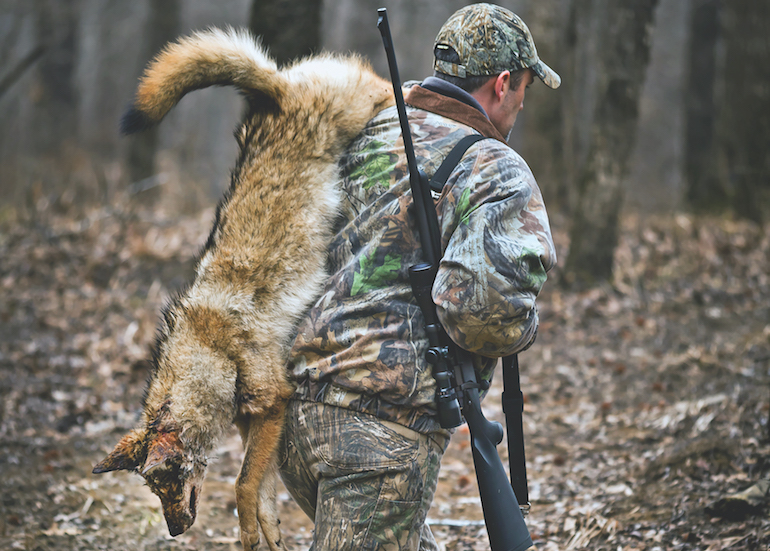
Coyote populations have a significant impact on whitetail deer numbers in Manitoba, particularly in areas with high coyote densities. Research suggests that coy
Deer patterns can change after a heavy snowfall, making it crucial for hunters to adapt their strategies. Deer may alter their movement and activity patterns du
Deer patterns often change significantly when agricultural fields are harvested, as deer shift their focus from feeding in the fields to foraging in surrounding
Deer in rural areas tend to be more alert and reactive to sound, especially if they're habituated to human presence or have experienced hunting pressure.
Yes, farmer's fields often offer better hunting opportunities for whitetails due to the abundance of food sources, water, and shelter they provide.
Research suggests that moon phases can influence whitetail activity levels, particularly during the rut, with peak activity observed around the full moon and ne
Whitetails often adjust their patterns after harvest season, typically becoming more active at dawn and dusk when hunters are less present.
Whitetails react differently to different types of calls, as each call mimics a unique aspect of deer communication, such as distress, aggression, or mating. Un
Hunting pressure significantly affects whitetail movement patterns, causing them to alter their behavior, habitat use, and activity times in an effort to avoid
Hunting pressure can significantly impact deer movement during the rut, causing them to alter their daily routines and habitats in an attempt to avoid human det
Research indicates that moon phase does have an influence on whitetail activity levels, with the full moon typically resulting in increased nocturnal movement a
Trail camera placement is crucial in capturing accurate deer patterns, and its effectiveness can vary greatly depending on the location and setup.
Acorns significantly alter whitetail feeding patterns in farm areas, particularly during the fall season when mast crops are abundant. This shift in behavior ca
To handle and prepare an antlered deer for mounting, it's essential to follow proper techniques for skinning, cleaning, and preserving the specimen. This involv
Deer tend to respond cautiously to human activity near fields, often becoming more alert and watchful if they sense movement or noise. The distance at which dee
Mock scrapes can be highly effective in attracting bucks, with some studies showing a 70-80% increase in deer activity within a 100-yard radius. However, their
For a good whitetail hunting lease in North America, ideally you'll want at least 200-400 acres of quality habitat that offers a mix of food, cover, and water s
For hunting trophy bucks in Manitoba, expect to spend at least 7-10 days in the field, with a minimum of 5 days spent scouting and the remaining time devoted to
When choosing a tree stand location in Manitoba, consider factors like wind direction, dominant deer patterns, and terrain features such as ravines and ridges.
Encourage whitetail habitats on your property by incorporating native vegetation, maintaining a diverse landscape with varying elevations and water sources, and
Identifying buck scrapes and rubs in farm fields requires attention to tree bark removal and scrape patterns, often found near fenceposts and tree trunks. Look
Identify trophy quality whitetail antlers by examining the main beam length, mass, and symmetry, as well as the number and quality of points, with a focus on ma
Minimizing human scent while hunting whitetails involves wearing scent-absorbing clothing, avoiding perfume or cologne, and minimizing physical activity that di
Preparation for a Manitoba whitetail hunt involves research, physical conditioning, and equipment checks. This includes studying local weather patterns, topogra
To properly field care for a trophy whitetail deer in Manitoba, handle the animal with care, keep it cool, and minimize handling time. This involves using the c
To effectively scout whitetails on open agricultural land, focus on locating areas with food sources, water, and cover, and consider using a spot-and-stalk appr
Staying warm while hunting whitetails in cold weather requires layering, choosing the right gear, and using specific techniques to maximize body heat.
Utilizing wind direction in whitetail hunting strategy involves identifying a downwind location to set up a blind or stand, allowing you to remain scent-free an
For whitetail deer in open fields, the ideal shooting distance is typically between 150 to 300 yards, with 200 yards being a sweet spot for most hunters. This r
Crop rotation significantly impacts whitetail deer feeding areas by altering the quality and quantity of forage, as well as creating new habitats attractive to
Whitetail movement in Manitoba is significantly influenced by weather, with deer often moving more during periods of low pressure, high winds, and cooler temper