01 — Pillar · Hunting
Expert guides and Q&A about public land tactics.
Q&A in this topic
60 total
Parking lots near public land can be a safe option for overnight trips, but only if you take necessary precautions and consider the specific circumstances.
Yes, specific hunting permits are required for public land, and the type of permit depends on the location, time of year, and the type of game being hunted.
Yes, it's possible to hunt pressured deer without disturbing them by using stealthy movements, camouflage, and understanding deer behavior.
For late-season hunting in public forests, opt for camouflage gear featuring muted colors such as earth tones, browns, and greys to blend in with the winter lan
For public land deer hunting at dawn, the best camouflage patterns are earth-toned, multi-tonal, and adaptable to the surroundings, such as Realtree AP, Mossy O
After the rut, employ late-season tactics that focus on cold-weather habits, such as hunting near water sources, utilizing snow-tracking techniques, and exploit
For field dressing deer in remote locations, use a sharp knife, cut along the belly from the anus to the neck, and remove organs in a controlled environment to
In heavily hunted areas, locate deer beds by searching for clusters of rubs, tracks, and scat, particularly near food sources or water, and use a combination of
To minimize noise while hunting in crowded areas, use noise-reducing clothing and gear, plan your approach carefully to avoid startling others, and communicate
To access public land during peak season, plan ahead, arrive early, and be prepared for crowds. Research access points, obtain necessary permits, and follow lan
Maintaining a low profile during hunting involves avoiding loud noises, wearing camouflage, and staying hidden from view. This can be achieved by choosing the r
Parking safely at public land access points involves identifying suitable locations, considering terrain and accessibility, and respecting other users. Choose p
For remote public land hunting, access often requires a combination of scouting, planning, and physical effort, including hiking, 4x4 vehicle travel, or horseba
Arrive early, scout parking areas, and consider using GPS to locate designated vehicle access points or parking lots near remote hunting spots. Identify potenti
When stalking pressured deer in thick brush, it's essential to move quietly, use cover and concealment, and set up ambushes near feeding areas. Stay low to the
The best time to scout public land before deer season is in late summer to early fall, typically 4-6 weeks before the season starts. This allows you to identify
Best times to scout public land for deer activity are early morning and late evening during the peak breeding season, typically in September and October, when b
To find wounded deer on public land, track their blood trail, follow scent, and search areas with limited human traffic. Use a tracking dog and listen for sound
To scout public land without spooking deer, use aerial photos, topographic maps, and GPS coordinates to identify patterns and habitats, then move quietly during
STAY INFORMED ABOUT PUBLIC LAND REGULATIONS BY CONSISTENTLY CHECKING WEBSITES AND APPS, SUCH AS THE US FOREST SERVICE AND BUREAU OF LAND MANAGEMENT, AND BY JOIN
Staying undetected while hunting pressured deer requires a combination of camouflage, stealth, and knowledge of deer behavior, including using natural cover, av
In heavily hunted areas, neutral or earth-toned camo patterns often prove more effective than traditional greens and browns, as they blend in with the surroundi
Adding scent lures can indeed help when hunting pressured deer, as it allows hunters to create a unique and unfamiliar signature that stands out from other huma
Deer can adapt to hunting pressure over multiple seasons, but the rate and extent of this adaptation are highly dependent on various factors including habitat q
Deer can sense human scent more easily in high-pressure areas due to frequent human activity and the buildup of scent molecules on surfaces.
Hunting ethics on public lands can vary due to specific regulations and restrictions, such as bag limits, season dates, and firearm restrictions. These laws dif
Pressure from other hunters can change deer behavior significantly, often causing them to alter their daily routines and avoid areas with high human activity.
Scouting in the off-season can significantly improve success rates on public land by identifying prime hunting areas, understanding wildlife patterns, and devel
Scouting neighbors' public land can significantly enhance your hunting success by providing valuable insights into deer movement patterns, habitat quality, and
Using game cameras can indeed help find pressured deer, as they allow hunters to survey large areas, detect deer movement patterns, and identify potential feedi
Using reflective tape can improve safety when parking on public land by making vehicles more visible to other users, especially at night or in low-light conditi
SUCCESSFULLY HUNTING PRESSURED DEER IN URBAN PUBLIC PARKS IS CHALLENGING, BUT IT CAN BE DONE WITH THE RIGHT APPROACH AND TECHNIQUES. IT REQUIRES ADAPTABILITY, A
Yes, it's possible to hunt pressured deer near popular trails, but it requires a solid understanding of their behavior and habitat. By using the right strategie
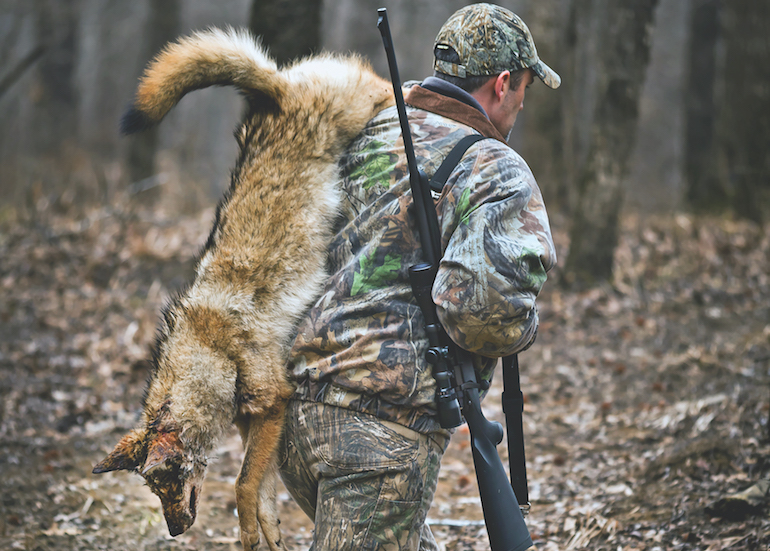
To effectively call coyotes in pressured areas, focus on using high-pitched, consistent, and rhythmic calls that mimic the sounds of a distressed rabbit or a co
Coyote hunting at night can be a high-risk endeavor, but for experienced hunters with the right equipment and strategy, it can be a successful and thrilling exp
Decoying can increase success rates for hunting pressured deer by 30-50% by reducing a deer's reliance on human scent and offering a more realistic target.
Deer become less wary after being hunted multiple times, but it's a gradual process and depends on several factors, including the quality of the hunting, the fr
Deer do become more cautious after a hunting season, but this increased wariness can be mitigated with proper hunting techniques and strategies.
Deer tend to follow certain trails under hunting pressure as they seek to avoid human presence and maintain a predictable routine.
Yes, pressured deer tend to shift their feeding habits during the rut as they become increasingly wary of human activity, often moving to areas with more vegeta
Pressed deer tend to favor certain types of terrain that offer cover, concealment, and escape routes. They often stick to areas with dense vegetation, steep slo
Yes, scent control products can significantly help when hunting pressured deer on public lands, reducing the risk of detection by deer with sensitive noses.
Human scent can linger significantly longer in certain weather conditions, particularly when temperatures are cool and humidity is high.
Hunting pressure can have a significant impact on deer herd health over time, leading to reduced populations, altered behavior, and increased stress levels amon
Hunting pressure significantly impacts deer movement patterns over time, causing them to adjust their routes and habitats in response to human activity.
Public hunting pressure indeed increases the likelihood of deer fleeing, as deer are highly sensitive to human presence and will often vacate areas with high hu
Weather significantly impacts deer movement on public land, with changes in temperature, precipitation, and wind affecting their daily routines and travel patte
When hunting on public land, it's essential to respect private property rights, follow local regulations, and minimize impact on the environment and other users
Use calls quietly and briefly to avoid alerting other hunters, focusing on specific vocalizations that mimic vulnerable sounds, such as a wounded animal or a yo
Look for evidence of heavy foot traffic, abandoned gear, and signs of overhunting such as sparse or absent wildlife sign. Observe the number of vehicles and peo
Deer in heavily hunted regions tend to become desensitized to gunshots over time, but they can still react with alarm and flight if the gunshot is close or unex
Deer behavior changes significantly on public land with seasonal shifts, impacting hunting strategies. As temperatures fluctuate, deer adjust their patterns and
Deer behavior in urban settings is significantly affected by noise pollution, causing them to alter their daily routines, habitat selection, and social interact
The moon phase significantly affects deer hunting success on public land, with peak activity typically occurring during the new moon and the first quarter moon
For deer hunting, a general guideline is to aim for 2-5 hunters per square mile to ensure a sustainable and enjoyable experience. Crowding can lead to reduced s
When assessing the safety of parking spots near hunting areas, consider the terrain, visibility, and likelihood of encountering wildlife or other hunters. Look
Post-frontal periods, typically 2-4 days after the front passes, are ideal for hunting as animals tend to move and feed more actively. Look for times when the t
To handle confrontations with other hunters in the field, remain calm, respect their space, and communicate clearly about any issues. This can often resolve con
Overlooked hunting spots on public land can be identified by exploring lesser-known areas, such as old logging roads, abandoned mines, and agricultural fields,
Identify trails used by pressured deer by looking for signs of frequent use, such as worn paths, droppings, and tracks, and checking for recent rubs and scrapes