01 — Pillar · Hunting
Expert guides and Q&A about running deer shots.
Q&A in this topic
60 total
Shooting a deer at full sprint is an extremely challenging task, both physically and ethically, due to the difficulties in achieving a clean shot and minimizing
For running deer shots, recommended calibers include the .243 Winchester, .308 Winchester, and 7mm Remington Magnum, all of which deliver efficient expansion an
When hunting running deer with a rifle, the best ethical practices involve understanding the animal's behavior, using the right equipment, and making precise sh
For precision on running deer, consider adding a high-quality scope with a minimum 4-8x magnification, a rangefinder for accurate distance measurement, and a st
To improve your running deer shot techniques, consider taking a hunting course or workshop, practicing with a rifle and bow, and studying online tutorials and h
The best time for running deer hunting is typically during the early morning and late evening hours, when deer are most active and likely to be on the move.
To enhance shooting skills on moving deer, hunters should practice shooting from moving vehicles, develop a consistent shooting form, and focus on bullet drop a
Changing terrain can significantly impact the effectiveness of a running shot. Slopes, obstacles, and distance can affect a shooter's aim and accuracy.
Using a suppressor can significantly reduce the noise and report of a firearm, allowing for faster follow-up shots on running deer without startling them and gi
Wind speed can significantly affect shot placement on running deer, especially at longer ranges. A 10mph wind can throw a bullet off target by up to 10 inches a
A laser rangefinder can be effective on moving deer, but accuracy is greatly reduced due to the changing distance and angle of the deer as it runs.
You can practice lead calculation in your backyard using a simple setup, but it requires careful planning and attention to detail. This involves recreating the
Yes, you can use a rangefinder for shooting running deer, but accuracy depends on other factors like the shooter's skill and the rangefinder's reliability.
For running deer situations, choose ammunition with a flat trajectory, high kinetic energy, and controlled expansion to ensure effective penetration and rapid s
Deer movement patterns are influenced by various factors such as food, water, and habitat quality, with dawn and dusk being the peak hours for movement. Underst
Many hunters believe that it's impossible to hit a running deer, but with practice and proper technique, it's a manageable shot. Another misconception is that a
Common mistakes when shooting at moving deer include overestimating shot distance, failing to compensate for bullet drop, and not accounting for deer speed and
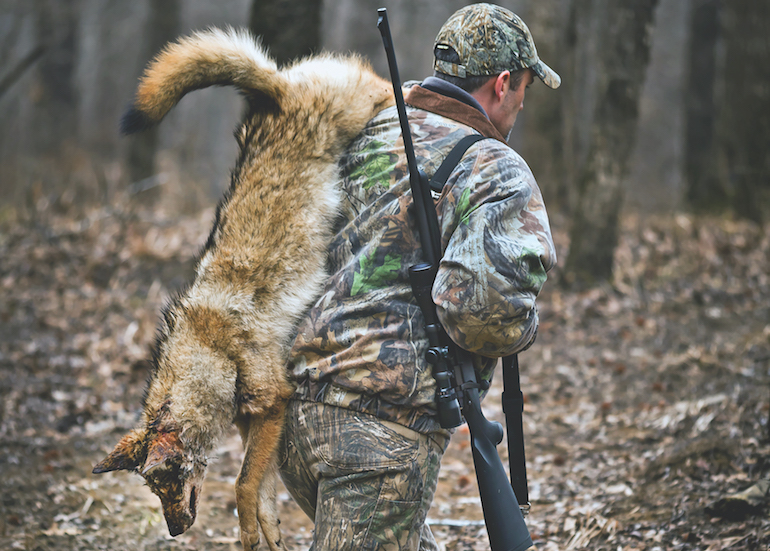
For late-season coyote hunting, focus on taking running shots at short to medium ranges, often 20-50 yards. Use a high-powered rifle and a scope with a good ret
Coyote interference during running deer shots is a significant concern for hunters. To effectively manage this issue, hunters need to develop strategies that ac
Yes, different deer species exhibit unique running behaviors, which impact the effectiveness of shots while pursuing them.
Yes, different seasons significantly affect deer movement patterns, with peak activity during the rut in October and November, and increased movement during ear
EXPERIENCED HUNTERS APPROACH RUNNING SHOTS WITH A CALCULATED RISK ASSESSMENT AND QUICK DECISION MAKING PROCESS, WHICH ENTAILS EVALUATING THE ANIMAL'S SPEED, DIS
Yes, hunting regulations for shooting running deer vary by state, often depending on the time of year, season type, and location within the state. Some states h
Short Answer: Yes, running shots require different breathing techniques due to the adrenaline rush and increased heart rate, which can disrupt a shooter's norma
SHOOTING AT RUNNING DEER INCREASES THE RISK OF WOUNDING BECAUSE THE MOVING TARGET MAKES IT DIFFICULT TO ACCURATELY PREDICT THE DEER'S TRAJECTORY AND ACHIEVE A C
Weather conditions can significantly impact shooting success on running deer, making it crucial for hunters to understand how to adapt to different weather scen
To effectively lead deer in motion, hunters can use the \
To hunt running deer effectively, one must have the right gear, which includes a high-powered rifle, a red dot sight, and camouflage clothing. A good rifle scop
When taking shots at running deer, it's essential to prioritize a clean and swift kill to minimize animal suffering. This requires precise shot placement, usual
Shooting a running deer is not inherently wrong, but it requires careful consideration of the animal's trajectory and a clear shot that will result in a quick k
Taking running shots on deer is a highly debatable topic, and while it may be effective in certain situations, it is generally not considered justifiable due to
Bullet drop when shooting running deer is affected by the deer's velocity, distance, bullet type, and angle of elevation. As the deer runs, its velocity increas
When shooting at running deer for the first time, it's essential to focus on lead, follow-through, and a steady shot. Practice your shooting stance, aim, and tr
To track a wounded deer after a running shot, follow its blood trail, listen for sounds, and use landmarks and terrain features to anticipate its path. Stay low
Camouflage clothing improves success rates when hunting running deer by allowing hunters to blend in with their surroundings, increasing the chances of getting
Hunters can reduce noise when preparing for a running deer shot by avoiding sudden movements, wearing quiet gear, and maintaining a low profile. They should als
Scouting can aid in preparing for running deer shots by providing valuable information on terrain, vegetation, and deer movement patterns. This knowledge allows
Terrain features such as uneven terrain, dense cover, and obstacles can significantly affect the success of running deer shots, making it essential to consider
Common distractions such as movement, noise, and environmental factors like wind and terrain can significantly impact running deer shot accuracy, leading to mis
Adrenaline can significantly impact shooting accuracy on running deer, causing a range of effects including increased heart rate, trembling hands, and a narrowe
Lighting significantly impacts visibility and shot accuracy for moving deer, with golden hours and overcast skies providing ideal conditions. In low-light condi
For a running deer shot, estimate 2-3 times as much lead as you would for a standing shot, depending on the angle and distance.
When a deer changes direction, adjust your aim based on the angle of deflection and the speed at which it's moving. Aim for the spot where the deer will be at t
To analyze wind conditions for running deer shots, observe the direction and speed of the wind at various distances, then use the deer's trajectory and the impa
To calculate lead for fast-moving deer, use the \
To calculate the speed of a running deer, measure the distance it travels in a specific time frame, such as 10 seconds, and use the formula speed = distance / t
Choose a bullet weight that balances penetration and expansion, typically 90-120 grains for medium-sized running deer, taking into account the deer's velocity a
To improve your reaction time for hunting running deer, focus on developing your peripheral vision and training your body to react quickly to movement. Practice
To maintain focus while aiming at fast-moving deer, use a steady breathing technique and maintain a smooth trigger pull. Aim slightly ahead of the target and us
To practice shooting on moving targets, hunters can start by shooting clay pigeons, then progress to larger targets like moving deer decoys, and finally, partic
To set up the perfect shot for running deer, position yourself with a clear view of the animal's shoulder and aim for the shoulder joint, using a 5-10 mph wind
STAY STEALTHY WHILE AIMING AT RUNNING DEER: To maintain stealth, use cover to blend in with the surroundings, and avoid sudden movements that might startle the
The caliber choice significantly influences the effectiveness of running deer shot placement, with larger calibers like .243 and .308 generally allowing for mor
A lethal shot at 200 yards on a running deer is challenging, but possible with the right equipment, technique, and practice. It requires a high degree of accura
A suppressor can be beneficial for shooting running deer as it reduces noise and allows for a more controlled follow-up shot, minimizing the likelihood of missi
Hunting with a partner during running deer hunts can significantly improve your chances of success and safety.
A still shot is generally more preferable than a running one, as it allows for a more stable and accurate shot, reducing the risk of wounding the animal. Still
Taking long-distance shots on running deer is generally considered inadvisable and potentially unethical due to the risk of wounding the animal and causing unne
When hunting deer, high-capacity magazines are not necessary for running deer shots and can actually be counterproductive by encouraging longer shots and reduci
Leading a deer is not always necessary when shooting, but it depends on the distance, angle, and bullet type used. For close shots at moderate angles, zeroing y