01 — Pillar · Hunting
Expert guides and Q&A about suppressors hunting.
Q&A in this topic
60 total
Custom suppressors can be a worthwhile investment for hunters who frequently use high-powered rifles, particularly in areas with noise restrictions or during ea
Hearing protection muffs can effectively reduce sound levels when used in conjunction with suppressors, but they should not be relied upon as the sole means of
Yes, using a suppressor at night can reduce the risk of spooking game with loud rifle shots, allowing hunters to get closer and increase their chances of a succ
Suppressors are not recommended in certain hunting applications where loud noises are actually beneficial, such as hunting at close range or when the target ani
California limits hunting suppressors to those made with materials that are non-retractable and non-threaded in design, and those that can only be removed with
Rifle and pistol suppressors have distinct performance differences due to variations in design, materials, and intended use. Rifle suppressors are typically lon
Suppressors are less useful in scenarios where the hunter is within close proximity to the target, such as at very close ranges or in dense forests, where the r
Yes, there are suppressors designed for specific hunting seasons, such as deer, elk, and small game, often taking into account muzzle report, barrel length, and
Yes, there are suppressors designed for hunting shotguns, offering reduced recoil, improved accuracy, and increased stealth.
Suppressors can be worth it for hunting, as they reduce noise, improve accuracy, and provide a more humane kill. They are also beneficial in terms of hearing pr
Tax stamps provide hunters with the necessary permits to use suppressors, which can increase accuracy and reduce noise, making them a worthwhile investment for
Clean your hunting suppressor after every use to prevent corrosion and maintain its performance, using a brush, cleaning rod, and appropriate solvents. Regularl
Hunting with a suppressor requires careful planning, adherence to local regulations, and proper equipment selection. It's essential to ensure the suppressor is
After use, clean the suppressor thoroughly with a soft brush and mild detergent to prevent clogging and corrosion, and inspect the baffles for damage or wear. S
Store suppressors in a dry, cool place, ideally with a dedicated storage case, and ensure they are properly cleaned and lubricated before storage to prevent dam
For reliable performance in harsh conditions, top suppressor brands include SilencerCo, Gemtech, and AAC. These brands offer high-quality designs that can withs
A suppressor may help improve accuracy for long-range hunting by reducing the recoil and muzzle report that can disrupt the shooter's aim and trigger control.
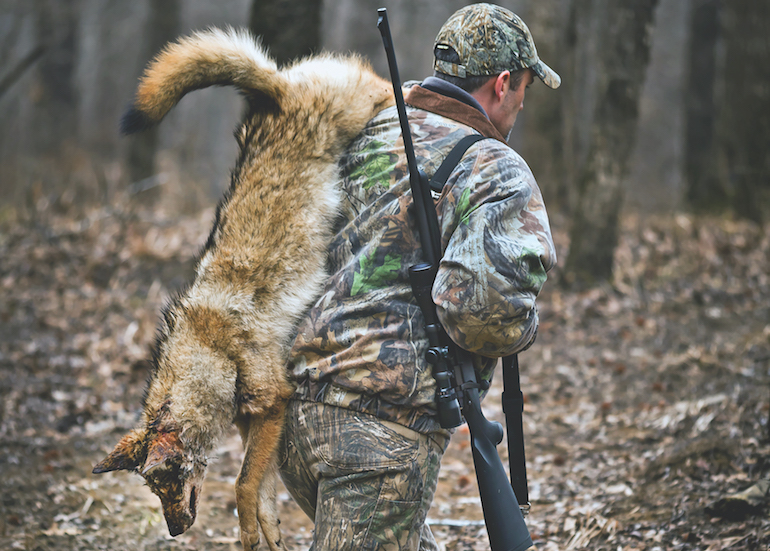
A suppressor can indeed help with predator hunting by reducing the noise signature of a firearm, allowing for more stealthy and precise shots. This is particula
A suppressor can impact the weight of your rifle setup, especially if it's a full-size or heavy suppressor. This is typically more noticeable in smaller or ligh
Hunting pressure may remain the same or even increase if everyone uses suppressors, as the primary factors driving hunting pressure are the number of hunters an
A .22 suppressor can indeed be effective for hunting small game, especially for quiet shots at close range. It helps reduce recoil and noise, allowing for easie
Suppressor use for hunting varies by state, with some allowing them for certain types of firearms and hunting seasons, while others prohibit their use. It's ess
While suppressors can be used for both target shooting and hunting, there are some considerations to keep in mind due to differences in cartridge velocities and
Yes, you can use a suppressor with a break-action shotgun, but it's essential to ensure the shotgun is designed for suppressor use and meets specific regulatory
Yes, installing a suppressor on your hunting rifle can affect its resale value, typically reducing it by 20-30% of the original rifle's price, due to additional
The installation of a suppressor on your rifle may not necessarily affect its warranty, but it could void or limit it depending on the manufacturer's policies a
Yes, suppressors can be legally transported across state lines, but you must comply with federal and state regulations, such as obtaining a tax stamp and regist
Suppressors can be used ethically in hunting competitions, as long as they are used in compliance with the specific rules of the competition and local laws.
Using a suppressor can subtly change your shooting habits, as the reduced noise and recoil signature tempt shooters to linger on target, and the increased accur
Using a suppressor can impact accuracy with certain loads, particularly those with high muzzle flash and pressure levels. This is due to the suppressor's design
A suppressor can make the sound of a fired bullet less pronounced, but it doesn't eliminate it entirely, and in some cases, you may still be able to hear the bu
SUBSONIC AMMUNITION IN SUPPRESSORS IS SUITED FOR SMALL GAME HUNTING, OFFERING A MORE SILENT AND EFFECTIVE HUNT. SUBSONIC ROUNDS GENERATE LESS DAMAGE TO SURROUND
Yes, it is possible to hear the sound of a bullet passing through the air, although it is often drowned out by the report of the firearm itself.
A suppressor can be used with subsonic ammunition, but it's primarily designed to reduce the noise of supersonic rounds. Subsonic ammunition is already quieter
Direct thread suppressors provide a secure, vibration-free mount, ideal for high-recoil rifles, while quick-attach suppressors offer rapid deployment and versat
While most states allow hunting with suppressors, there are exceptions and specific regulations that vary from state to state, with around 40 states allowing th
No, not all suppressors require a tax stamp in every state. However, under the National Firearms Act (NFA), certain types of suppressors are regulated by the fe
Hunters may benefit from training on the proper use and maintenance of suppressors to ensure safe and effective use.
Hunters can still risk losing hearing protection benefits with suppressors, but at a much lower level than traditional firearms. This is because suppressors red
Hunting suppressors come in various standard barrel diameters, including 1/2x28, 5/8x24, 9/16x24, and 1/2x36. These diameters match the thread patterns of most
Hunting suppressors do not require special ammunition types, but they do require specific calibers that are compatible with the suppressor's design. For example
Yes, you need a special license, known as a National Firearms Act (NFA) tax stamp, to purchase a suppressor in the United States. This license is in addition to
A suppressor can alter the balance of a hunting rifle, but the impact is generally minor and manageable with proper installation and adjustment.
Suppressors can reduce recoil, but the effect is generally minor, around 10-20% less perceived recoil, depending on the firearm and suppressor design.
Yes, you still need hearing protection when using a suppressor, as it only reduces noise levels but doesn't eliminate them entirely, and prolonged exposure can
A suppressor does not significantly affect bullet trajectory or accuracy, but it may introduce minor variations due to its design and attachment method. These v
The type of hunting location significantly affects suppressor choice, as it influences the desired sound signature, durability requirements, and potential obsta
Using suppressors in hunting requires adherence to local laws and regulations, respect for other hunters, and consideration for the impact on wildlife populatio
Suppressors can be beneficial in hunting by reducing noise and recoil, allowing hunters to get away from their location more quietly and increasing their chance
Hearing protection for hunters without suppressors typically includes electronic earplugs, earmuffs, or passive earplugs that reduce sound levels by 20-30 decib
A suppressor can improve the hunting experience for beginners by reducing firearm noise, making it easier to communicate with hunting partners, and minimizing t
Introduce a novice to suppressed hunting by starting with a calm and quiet environment, such as a controlled range or a low-traffic hunting area. Begin with a r
Local laws affect suppressor use during hunting trips by varying in their classification and regulation. Some states classify suppressors as firearms and requir
A longer barrel length can improve suppressor effectiveness by allowing for a more stable gaseous expansion of gases behind the bullet, which is then directed i
BARREL THREADING AFFECTS SUPPRESSOR COMPATIBILITY BY ALTERING THE BORE AND CHROME PLATING OF THE BARREL, WHICH CAN COMPROMISE THE TIGHT SEAL REQUIRED BETWEEN TH
Using a suppressor can potentially alter your hunting ethics, as it can reduce the perceived impact of a shot and potentially make tracking and recovering the h
Weather affects a hunting suppressor's performance by changing its temperature, humidity, and visibility, which can impact its ability to effectively dampen sou
The tax stamp approval process typically takes 8-12 weeks after the application is submitted to the ATF. However, processing times can vary depending on the wor
The average cost of a suppressor for hunting can range from $600 to $1,500, depending on the type of firearm, caliber, and brand.
Choose a suppressor based on your hunting style, firearm type, and noise reduction requirements. Consider factors like weight, durability, and compatibility. Re