01 — Pillar · Hunting
Expert guides and Q&A about trail camera placement.
Q&A in this topic
60 total
Using trail cameras requires consideration of ethical implications, including respect for wildlife, private property, and data protection. Hunters must ensure t
For capturing daytime activity, use a camera with a high-resolution sensor, set the shutter speed to 1/1000th of a second or faster, and adjust the ISO between
For attracting deer to a mock scrape, the best bait is a mixture of tallow and corn, applied in a circular pattern to the scrape site, with a focus on the scrap
For capturing wildlife at mineral sites, use a camera angle of 2-3 feet off the ground, pointing upwards at a 45-degree angle to minimize obstruction and allow
Set cellular cameras near entry routes, mock scrapes, and mineral sites in wooded areas to capture high-quality images and detect animal activity.
Place trail cameras in mountainous terrain near entry routes, mock scrapes, and mineral sites, at elevations between 500 and 2,000 feet, and with a clear view o
To control human scent near camera setups, use scent-blocking products, position cameras at least 10 feet above the ground, and keep a minimum 20-foot radius cl
When camouflaging trail cameras in the field, choose locations with dense foliage or cover, and use natural materials to conceal the camera. Consider using mock
To check trail cameras without spooking game, it's essential to visit your cameras at dawn or dusk when animals are less active, and consider using a cellular c
In late season, use mock scrapes to mimic fresh deer activity, placing them 20-30 yards apart along high-traffic entry routes and mineral sites, and check them
The best times of year for setting up trail cameras are during the peak hunting seasons, typically in the fall (September to November) and late winter (February
Place trail cameras near mock scrapes, mineral sites, and entry routes during the rut, such as 10-15 yards from a scrape site or 50-75 yards from a food source,
To maximize late-season hunting success with trail cameras, deploy them along primary entry routes, near mock scrapes and mineral sites, and set cellular cams t
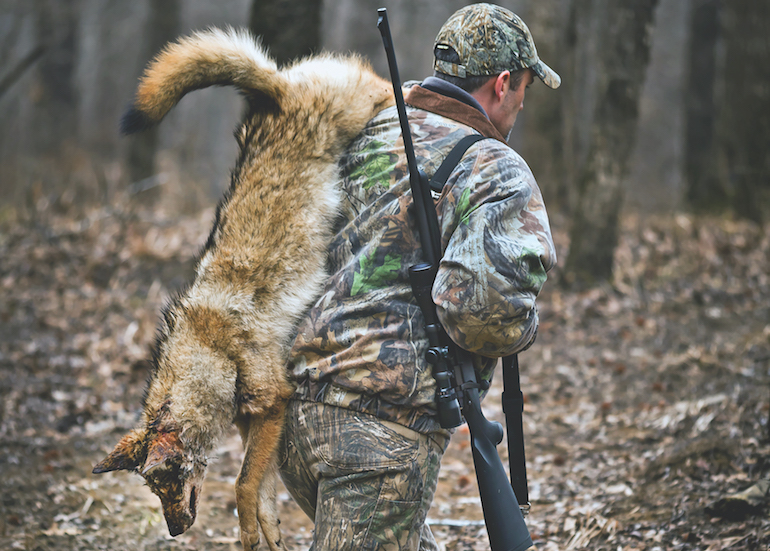
Yes, you can attract predators using trail cameras effectively by placing them near mock scrapes, mineral sites, and entry routes, and considering the use of ce
While trail cameras can provide valuable information about game movement, relying solely on them for hunting success can be a mistake. Trail cameras are best us
Yes, you can use trail cameras near established deer trails to capture images of deer movement patterns and behavior.
You can use trail cameras to monitor other hunters' activity, but you need to know the right techniques to get the best results.
Infrared flash trail cameras can potentially spook wildlife, especially if they are not used correctly. Incorrect placement, such as near a common entry route,
Mineral sites can indeed change deer behavior over time, especially when consistently baited or manipulated. This alteration in behavior can lead to deer becomi
Natural scents can indeed enhance the effectiveness of mineral sites by increasing the chances of attracting deer and other wildlife. By incorporating scents su
Short Answer: Yes, rain can affect trail camera performance, especially in terms of battery life, image quality, and overall durability.
Trail camera footage can aid in wildlife conservation efforts by providing valuable insights into animal behavior, population dynamics, and habitat use.
Trail cameras can be used ethically in hunting when implemented correctly, providing valuable data on wildlife activity without causing excessive disturbance or
Yes, trail cameras can detect human movement at night with the right settings and placement.
TRAIL CAMERAS CAN BE A VALUABLE TOOL FOR TRACKING GAME RECOVERY BY MONITORING AND RECORDING ACTIVITY PATTERN CHANGES, IDENTIFYING POTENTIAL ENTRY ROUTES, AND PR
Trail cameras can monitor a variety of wildlife species beyond deer, including turkey, coyotes, raccoons, and even larger predators like bears and mountain lion
Yes, using flash trail cameras can scare nocturnal wildlife, especially deer, as the sudden flash can be startling and may cause them to associate the area with
Trail cameras are a valuable tool for scouting predators, allowing hunters to gather data on entry routes, movements, and activity patterns without disrupting t
Cellular trail cameras are ideal for remote locations where standard cameras may not provide reliable access to images, especially in areas with limited cellula
Deer can become conditioned to certain trail camera locations, especially if they are stationary and visible for an extended period. Consistency in placement is
Deer patterns do change post-harvest in agricultural areas as they adjust to new feeding and habitat patterns.
Deer tend to prefer mineral supplements that are high in calcium, phosphorus, and salt. These essential minerals play a crucial role in maintaining their overal
Deer respond better to mock scrapes than real scrapes, as mock scrapes allow for more control over the scent and visual presentation, making them easier to mana
Deer show different behaviors toward real vs. mock scrapes, often favoring the authenticity of real scrapes for scent marking and attraction.
Different deer species exhibit varying reactions to mock scrapes, with whitetail deer generally being more responsive to these tactics than mule deer or blackta
Different trail camera brands can affect image quality due to variations in sensor technology, resolution, and software processing. Some brands may excel in low
A feeder near your trail camera setup can be beneficial for attracting and capturing more wildlife activity, but it's not always necessary. If you're focusing o
Younger deer differ in behavior compared to adults on camera, often displaying more energetic and impulsive behavior, such as frequent visits to mock scrapes an
Effective mock scrapes for attracting mature bucks involve using a combination of scent, visual cues, and strategic placement to mimic the presence of a recepti
Mineral sites have been shown to increase deer traffic, drawing deer to a specific area by providing a valuable resource that attracts them. This can be an effe
SKewed results occur when trail camera placement doesn't account for changing weather patterns, leading to false positives or missed captures.
Changes in weather can significantly affect deer activity on camera traps, often resulting in a notable decrease in activity during extreme weather conditions.
Deer visitation patterns are heavily influenced by food sources, with deer traveling up to 4 miles to reach their preferred food sources, particularly during th
Strategically placing cameras in areas with high deer traffic, such as entry routes, mock scrapes, and mineral sites, can significantly reduce the risk of theft
Light intensity affects camera performance at dusk, requiring adjustments in settings to capture clear images. Reduced light intensity leads to increased motion
Place a trail camera 50 to 100 yards from a food source, allowing animals to feel secure enough to approach the area without being detected, but still capturing
Check cellular camera batteries every 7-10 days, or when using multiple cameras in remote areas, consider a battery replacement schedule every 30-45 days to ens
Trail cameras should be checked every 1-2 weeks in the field, depending on usage and camera settings, to ensure they are functioning properly, prevent theft, an
Position cameras 100-150 yards away from food plots, angled to face the plot's center, and elevated 5-7 feet off the ground to reduce camera visibility and allo
Analyze trail camera images for signs of rutting behavior by looking for specific patterns such as repeated visits to the same spot, increased activity at dawn
Choosing the right trail camera involves considering your specific needs, such as the type of game you're hunting, the terrain, and the level of detail you want
To determine the best entry route for a hunting site, use trail cameras to monitor deer movement patterns, identify mock scrapes, mineral sites, and other attra
Distinguish between buck and doe activity on cameras by monitoring travel patterns, noting the presence of mock scrapes, and analyzing the timing of their visit
To identify different deer patterns using camera data, analyze the timing, frequency, and routes taken by deer in your area, noting any correlations with food s
To improve image quality on your trail camera, secure it in a spot with minimal shadows, ideally with a clear view of the surrounding area. Using a camera with
To maximize the lifespan of trail camera batteries, use high-capacity batteries, minimize power-hungry features, and adjust settings to reduce usage. This can h
Minimize human scent near trail camera setups by using gloves, washing hands, and avoiding direct contact with the camera or surrounding area. Wear scent-reduci
To read trail camera data for hunting success, analyze the patterns and timing of animal activity, note the types of routes and entry points used, and use this
If your trail camera is malfunctioning, check for obvious signs such as a dead battery, water damage, or faulty wiring, and ensure it's properly secured and ali
To track elk movement using trail cameras, position cameras along game trails, near entry routes, and mock scrapes, and consider using cellular-connected camera