01 — Pillar · Hunting
Expert guides and Q&A about wolf hunting.
Q&A in this topic
60 total
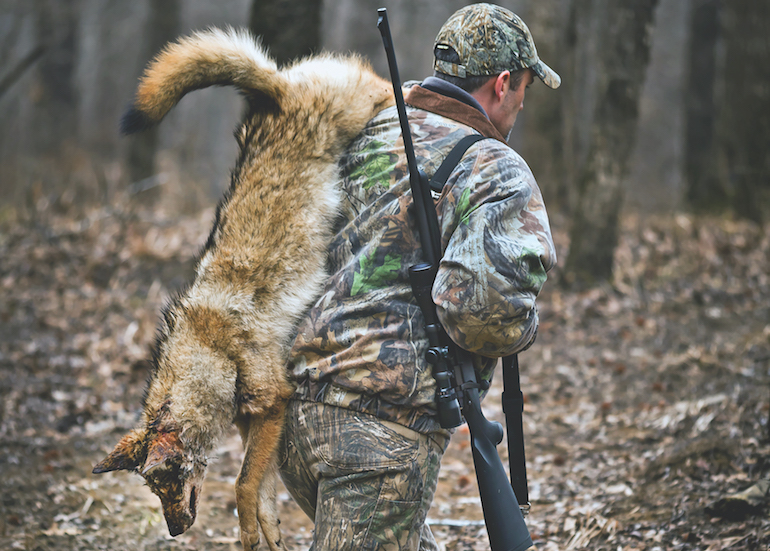
Yes, there are best practices for recovering harvested wolves, including proper handling, storage, and transportation to minimize spoilage and ensure a successf
Wolf hunting practices raise ethical concerns due to their impact on ecosystem balance and the possibility of overhunting, potentially threatening wolf populati
Wolf hunting restrictions for non-residents vary by state and country but often require a permit or license, and may limit the number of hunting days or animals
Michigan has regulations on wolf hunting to ensure sustainable populations, including a minimum age requirement of 10 years for hunters and a bag limit of one w
Yes, there are safety courses available for hunting wolves. These courses typically focus on the specific challenges and risks associated with wolf hunting, inc
Yes, there are special classes for learning wolf hunting skills, typically taught by experienced guides or outfitters who have extensive knowledge of wolf behav
Yes, special licenses are required for wolf hunting in various states and countries, often involving drawing permits, limited quotas, and specific regulations.
In the United States, specific tags are required for hunting wolves, and these vary by state. For example, in Montana, hunters must obtain a wolf hunting licens
Wolf hunting restrictions are tightened due to population declines, and in some areas, the decline has prompted a shift from hunting to conservation efforts.
Wolves are indeed more active during specific weather conditions, particularly at dawn and dusk when the temperature is around 40-50°F (4-10°C), and in periods
For large game wolf hunting, the best caliber choices are typically those with a high muzzle energy and effective range. This often includes calibers like the .
For spotting wolves in the wilderness, head to areas with abundant prey, such as elk or deer habitats, in regions like Alaska, Canada, or the Rocky Mountains. L
When hunting wolves, prioritize caution and awareness of your surroundings, use suitable firearms and ammunition, and consider hunting with an experienced guide
To effectively control wolf scent before a hunt, wear clean, synthetic clothing, and avoid using strong perfumes or colognes. Remove any lingering human scents
For the upcoming hunting season, top states for wolf hunting include Montana, Wyoming, and Wisconsin, with Montana offering the most licenses. Wisconsin offers
The best time to hunt wolves is during the early morning hours, typically around 30 minutes to 1 hour before sunrise. This timeframe allows you to catch wolves
For late-season wolf hunting, the best calls are those that mimic a distressed or injured animal, such as a squealing piglet or a struggling rabbit. These calls
Electronic calls can be effective in attracting wolves, but results may vary depending on location, wolf behavior, and caller experience.
Controlled hunting of wolves can help balance local ecosystems, but it requires careful management to avoid overhunting and maintain a stable wolf population. E
In most states, wolf hunting is only allowed at night with a permit or during a designated season, and often requires the use of artificial light sources such a
Yes, many jurisdictions permit hunting wolves with a crossbow, but laws vary by location and may require specific permits or restrictions.
Yes, electronic calls are allowed for wolf hunting in many states, but regulations vary and hunters must check local laws and hunting seasons before using them.
You can use a deer call to attract wolves, but its effectiveness depends on various factors, including the type of call, the terrain, and the time of day.
Wildlife cameras can be used to scout for wolves, but they should be used in conjunction with other scouting methods and in areas with known wolf activity.
New hunters can successfully call wolves on their first try, but it requires extensive research, practice, and patience. With the right guidance and training, n
Portable light sources can aid in wolf hunting by illuminating the animal's eyes, making it easier to judge the distance and trajectory for a successful shot. T
Wolf hunting can be integrated with other game hunting, particularly in areas where coyotes, deer, and elk coexist with wolf populations. This approach allows h
Wolf Hunting Help with Predator Control Issues: Yes, wolf hunting can be an effective tool in managing predator populations and mitigating their impact on lives
Yes, it is possible to hunt wolves from a tree stand, but it requires proper knowledge of wolf behavior, habitat, and specific hunting techniques.
Wolves can be hunted in areas with livestock, but it requires careful management and execution to minimize the risk of conflict and maintain a healthy balance b
Hunting wolves in national parks is generally prohibited in the United States, with some exceptions. The U.S. National Park Service has a policy of not allowing
Wolves can be hunted on public land in Colorado, but regulations and permits are strict. Hunters must follow the guidelines set by the Colorado Parks and Wildli
In some US states, wolf hunting is allowed year-round, but this varies by state and region. For example, Alaska allows year-round hunting, while states like Mon
Yes, you can use a bow for wolf hunting in Wyoming, but you must follow the state's regulations and guidelines for archery equipment and hunting seasons.
Yes, you can use calls for other predators while wolf hunting, but it's essential to use them judiciously and understand the specific vocalizations and behavior
Yes, night vision gear can be used for hunting wolves, but it requires proper training and understanding of the equipment's capabilities.
Coyote calling techniques that work best in winter involve using howls that mimic the sounds of a struggling or distressed animal, often in combination with a h
Coyote Won't Respond to Calls – consider changing your calling technique to a more authentic coyote vocalization, increase the volume, or adjust your position t
Decoys for attracting wolves can be effective, but their success depends on the quality of the decoys and the hunting strategy. High-quality decoys that mimic w
Yes, certain times of year can improve wolf hunting success, as changes in prey behavior, wolf denning patterns, and weather conditions can increase the likelih
Yes, different regions have unique wolf hunting regulations, varying by state, province, or country, and even within local jurisdictions, which often dictate ba
Different wolf packs exhibit unique behavioral traits based on their geographical location, prey availability, and social dynamics.
Wolves have seasonal migration patterns that can significantly affect hunting. They are known to migrate long distances in search of food and suitable habitats.
Wolves have specific habitats that affect hunting, including boreal forests, tundra, and grasslands, which influence their prey distribution and behavior.
Wolves typically establish long-term pair bonds, but during mating season, they exhibit specific patterns in their behavior, including increased vocalization, s
Wolves in urban areas may react differently to calls due to their reduced exposure to natural sounds and human presence.
Wolves respond better to howls, as they have a stronger instinctual connection to this form of communication, which is a fundamental part of their social struct
Years of wolf hunting significantly impact population dynamics, leading to fluctuations in numbers and altering the ecosystem's balance. Overhunting can push wo
States have indeed changed wolf hunting regulations recently, primarily in response to growing wolf populations and changing public attitudes. Some states have
Public attitudes towards wolf hunting vary significantly across the globe, with some countries embracing it as a means to manage wolf populations, while others
Seasonal changes significantly impact wolf behavior, with variations in temperature, daylight, and prey availability influencing their movements, hunting strate
Wolves are more active during the full moon and new moon phases, as these periods offer better visibility for hunting and navigating. Their activity peaks durin
Wolves are highly adaptable to various weather conditions and adjust their activity patterns accordingly. During extreme weather, they tend to alter their daily
In Alaska, a hunter can harvest one wolf, also known as a wolf bag limit, per year, and no more than two wolves per year in certain areas, with specific permits
In Michigan, hunters can harvest up to three wolves per season, with a minimum age of 10 months for harvested wolves. However, the actual harvest may be lower,
When choosing fabrics for wolf hunting in cold weather, select materials with good insulation, moisture-wicking properties, and wind resistance. Consider layers
To effectively track wolf movement in the field, use a combination of observation, tracking skills, and knowledge of wolf behavior and habitat. This involves pa
To field dress a wolf, start by making a shallow incision from the anus to the base of the breastbone, then make a second incision from the anus to the neck, cu
Identifying wolf tracks in the field requires attention to detail and knowledge of their unique characteristics. Wolf tracks are typically 4-6 inches long, with
To prepare for a successful wolf hunting trip, research the prey's behavior, habitat, and hunting seasons in the area, and develop a comprehensive plan includin