01 — Pillar · Hunting
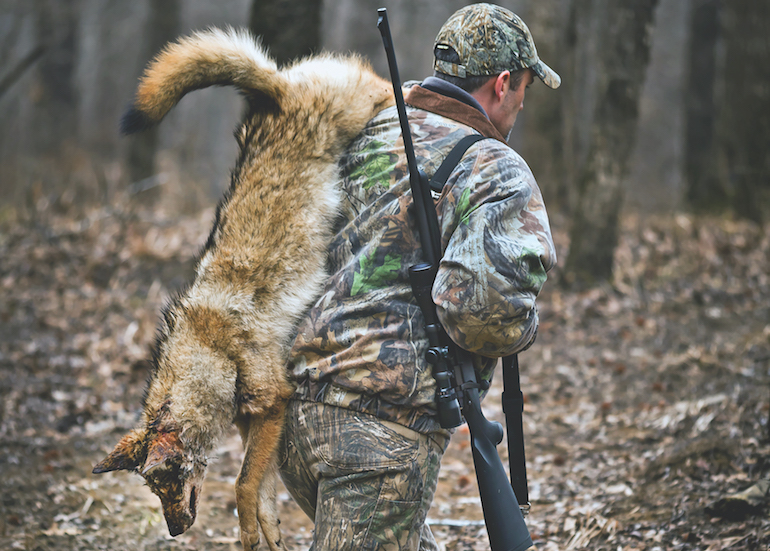
Expert guides and Q&A about wounded game recovery.
Q&A in this topic
60 total
Yes, there are legal requirements for tracking wounded game, which vary by state and country, and typically include guidelines for reporting and recovering the
Yes, specific tools enhance tracking success in thick brush, including a good pair of binoculars, a tracking stick or probe, and a GPS device with a compass.
Tracking collars can be useful for finding wounded game, but they are not foolproof.
Handle a wounded animal with care, keeping it calm and still to minimize stress and further injury. Use a clean, stable, and well-ventilated recovery area. Cons
Leaving a clear and visible blood trail is crucial for recovering a wounded game later. This can be achieved by controlling the animal's movement and allowing i
To effectively track a wounded deer in thick cover, move quietly, follow the blood trail, and use your senses to pinpoint the animal's location. This requires p
In muddy conditions, tracking involves identifying and following subtle signs of movement, such as faint impressions, disturbed vegetation, or torn bark. Look f
For tracking wounded game, it's essential to have the right tools and techniques. A good pair of binoculars and a compass are crucial for navigation and spottin
A deer can survive a non-fatal shot if promptly and properly cared for. This requires immediate attention to the wound, stabilization of vital signs, and transp
Calling techniques can be useful in recovering a wounded deer by drawing the animal's attention and helping to locate it, but it should be used judiciously and
Human scent can affect a wounded animal's recovery, as it may cause unnecessary stress and anxiety. This stress can weaken the animal and impede its recovery. E
A compass can be used to aid in tracking wounded game by helping you stay on course, locate the animal's last known position, and navigate through dense terrain
Yes, technology can be used to assist in tracking wounded game, allowing you to quickly locate and recover the animal while minimizing unnecessary stress and su
Previous scouting can significantly aid in recovering wounded big game by allowing hunters to track the animal's movement patterns, identify potential hiding sp
Recovery techniques can vary by the type of game hunted due to differences in animal anatomy, habitat, and behavior. For instance, recovering a wounded deer may
Wind direction can significantly impact trailing success after a hit, as it affects the dispersal of blood and scent, making it easier or harder to track the wo
Yes, tracking dogs can be used for locating wounded big game, but they require careful training and handling to ensure a successful and humane recovery of the a
Yes, tracking techniques can differ by region due to varying terrain, climate, and vegetation, which require adaptability in tracking methods to effectively loc
Weather can indeed impact blood tracking success. Rain, snow, and extreme temperatures can all affect the visibility and freshness of blood trails.
Yes, you can recover a deer after a poor shot placement, but it requires swift action, precise tracking, and proper handling to minimize suffering and ensure a
Yes, you can use scent trails for tracking wounded game, but it requires a skilled and experienced tracker to follow the subtle signs and interpret the evidence
Certain calibers can leave a more visible blood trail due to the type of bullet expansion and penetration.
Deer tend to run in a particular direction after being wounded, which is often influenced by their natural instincts and the location of the wound.
SHOT_PLACEMENT_INDED_BY_BLOOD_COLOR: Blood color can be an indicator of shot placement on a deer, but it's not always a reliable method. A deer with a high-ener
Deer movement after a hit is influenced by moon phase, with deer tend to move more during the new moon and full moon phases.
Deer behavior after a shot can indeed indicate the placement of the bullet. A sudden stop, a change in direction, or a visible reaction can signal where the ani
When tracking a deer, the terrain plays a crucial role in determining the pace of the pursuit. Rocky terrain and dense forests can slow down the tracking proces
Yes, the type of arrow can affect blood trail visibility, with larger and heavier arrows leaving more visible blood trails.
Trailing a wounded deer typically does not require special permissions, but it's essential to check local regulations regarding tracking and recovery of wounded
Effective strategies for trailing a wounded elk involve maintaining a steady pace, following blood trails, and using visual cues to locate the animal. This requ
TRACKING SKILLS DEVELOPMENT: Tracking skills are developed over time through hands-on practice, study of wildlife behavior, and analysis of tracks. Effective tr
Environmental factors such as wind direction, terrain, and vegetation can aid in tracking wounded animals by providing clues to their movement patterns. The dir
Scouting can help with wounded game recovery by gathering information on the animal's movement patterns, habitat, and any potential hiding spots or escape route
Differentiating between a wounded and a non-wounded deer involves observing the animal's behavior, checking for visible signs of injury, and considering the env
Different shot angles significantly impact blood trailing strategies, as they can cause varying patterns of blood flow, tissue damage, and bleeding rates. In ge
Deer behavior changes significantly after being shot, typically becoming more erratic, anxious, and disoriented. They may initially flee the area, then return t
The choice of broadhead significantly affects the quality and duration of a blood trail, with fixed-blade broadheads generally producing a more substantial and
Wounded game will often behave erratically and unpredictably in response to hunting pressure, such as rapidly moving away from the point of injury, lying still,
The hunting season significantly influences tracking strategies due to varying animal behavior and terrain conditions, such as snow cover, daylight hours, and f
A deer can travel anywhere from 100 yards to several miles after being hit, depending on the severity of the injury and the effectiveness of the shot. A well-pl
A wounded deer can typically travel 100 to 500 yards before bedding down, depending on the severity of the wound and the deer's overall health. In ideal conditi
PATIENCE IS VITAL when tracking wounded animals as it significantly increases the chances of a successful recovery.
Approach a wounded animal calmly and slowly, keeping a safe distance to avoid spooking it further. Use cover and concealment to get into position for a humane s
Assess the terrain by identifying potential hazards, such as steep slopes, dense vegetation, and water sources, to plan a safe and efficient tracking route. Con
When trailing, determine if your shot was fatal by observing blood trails, looking for signs of struggle, and checking for rigor mortis or other post-mortem cha
Determine the age of a blood trail by examining its color, consistency, and the presence of insects or scavengers, considering factors like weather, terrain, an
A wounded animal's last known location can be identified by observing blood trails, following tracks, and analyzing scent patterns. Use a blood trail to backtra
To identify fresh blood versus old tracks, observe the color, consistency, and location of the bloodstain, as well as the age of the track impression and the pr
Improving patience while trailing a wounded animal involves setting realistic expectations, staying physically and mentally fresh, and maintaining a steady pace
Mark blood trail locations with bright-colored tape or ribbon, using 3-4 foot markers spaced about 20-30 yards apart, and clearly indicate direction of travel w
Effective trail marking involves using a combination of physical and visual markers to create a clear path for later recovery. This can include using blood spla
Under field conditions, a positive identification of blood type can be made by observing the blood's color, clarity, and clotting time. The most common blood ty
Staying calm and focused while trailing a wounded animal requires discipline, mental toughness, and a clear understanding of the animal's behavior. A hunter mus
To train yourself for better game tracking skills, practice observing and following animal tracks in various conditions, and develop your ability to read and in
Allow 5-7 minutes for the animal to travel before beginning the trail. This allows the initial shock and adrenaline to wear off. Start tracking as soon as possi
Deer often return to their bedding area after a hit due to instinct and lack of familiarity with their surroundings.
Taking a second shot at a wounded animal can be justified if the initial shot was well-placed and the animal is showing clear signs of being humanely put down,
Tracking wounded game into private property can be a complex issue, as it may involve trespassing and potentially disturbing landowners. However, if done with p
Yes, it is essential to field dress a deer quickly after recovering it to prevent spoilage and maintain quality of the meat.
While not always necessary, using a flashlight for blood trailing at night can significantly improve visibility and increase the chances of finding a wounded an