02 — Pillar · Off-Grid
Expert guides and Q&A about a frame cabin plans.
Q&A in this topic
60 total
A-Frame Cabins can be a good investment for rental properties due to their unique design, simplicity, and versatility, allowing for a wide range of pricing opti
A-Frame cabins can be energy efficient for off-grid living, but their efficiency largely depends on design considerations and proper building techniques.
A-Frame cabins can be suitable for off-grid living due to their simplicity, durability, and ease of construction, but careful planning and design considerations
A-Frame cabins can be suitable for year-round living with proper design, insulation, and weatherization. However, they often require additional measures to main
Modular A-frame cabin kits offer a convenient, cost-effective, and efficient way to build a cabin, but their worth depends on individual needs and circumstances
A-Frame cabins in national forests are subject to regulations under the National Forest Management Act and the Wilderness Act, which limit human impact on the e
The best locations for A-frame cabins in the woods are typically areas with a gentle slope to ensure water runoff and prevent erosion, and proximity to natural
For a-frame cabin landscaping, prioritize natural, low-maintenance materials and native plants to blend seamlessly with the surroundings. Consider a mix of grou
For an A-frame cabin, a roof angle of 30-45 degrees is ideal for snow load distribution and water runoff, while a steeper angle may be necessary in areas with h
Off-grid waste disposal in cabins involves using composting toilets, recycling bins, and biodegradable soaps to minimize environmental impact. Proper waste stor
To secure an A-frame cabin against intruders, consider installing security cameras, motion-sensitive outdoor lighting, and a reinforced door with a solid core a
You can add a loft to your A-frame cabin plans, but it requires careful consideration of structural integrity and roofline modifications.
Building a DIY A-Frame cabin on a sloped lot is possible with careful planning and execution, considering the unique challenges of uneven terrain, including pot
Building an A-frame cabin in a flood-prone area is challenging but possible with careful planning, site selection, and design modifications. It's essential to a
You can build an A-frame cabin in a remote area with proper planning and execution.
Yes, you can build an A-frame cabin without experience, but it's essential to research and plan carefully, and consider seeking guidance from a professional if
It's possible to build an A-frame cabin without planning permission, but you'll need to meet specific requirements and local regulations, such as adhering to si
Yes, it's possible to build an A-frame cabin with a green roof, but careful planning and execution are necessary to ensure structural integrity and prevent wate
Yes, you can customize a pre-made A-frame cabin plan to suit your needs and preferences.
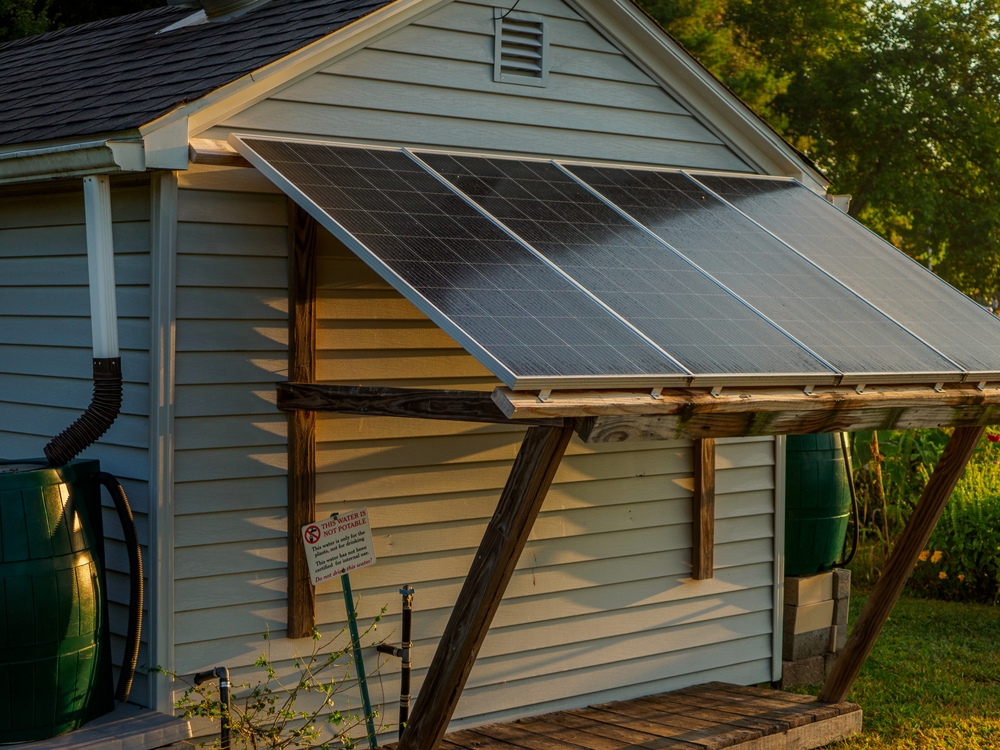
Yes, you can implement rainwater harvesting in your A-frame cabin, and it's a great way to reduce your water bills and reliance on municipal water systems.
Yes, you can install a wood stove in your A-frame cabin, but careful consideration of safety, ventilation, and local building codes is crucial.
Living in an A-frame cabin year-round is feasible with proper planning, insulation, and climate consideration. However, it may require additional heating system
Adobe and cob can be used for a-frame cabin walls, but they require specific preparation and techniques to ensure durability and structural integrity.
Yes, you can use reclaimed wood in your A-frame cabin construction, but it's essential to properly inspect and prepare the wood to ensure stability and durabili
You can use recycled materials for your a-frame cabin, but ensure they are structurally sound and suitable for outdoor use.
Yes, shipping containers can be used for A-frame cabin construction by modifying and combining them to form the structural components, such as the frame and wal
You can use straw bales for A-frame cabin insulation, but it requires specific treatment and installation techniques to ensure durability and effectiveness.
Solar Panels Can Be Installed On A-Frame Roofs but May Require Additional Support and Planning.
Common A-Frame Cabin Design Flaws To Avoid: A-Frame cabins are prone to design flaws that compromise their structural integrity, energy efficiency, and overall
Common Mistakes When Building A DIY A-Frame Cabin:
A DIY A-frame cabin can save homeowners around 30-50% on construction costs compared to prefab kits, depending on the design and materials chosen, but requires
Modern A-frame cabins blend sleek designs with eco-friendly features, incorporating solar panels, rainwater harvesting systems, and energy-efficient appliances
For beginners, DIY A-Frame cabin plans can be simplified by using pre-cut lumber, a basic set of tools, and straightforward construction techniques. Follow a st
A-Frame cabins require special heating solutions due to their unique design, which can lead to cold air settling in the A-Frame's triangular space. This can cau
Whether you need a building permit for your A-frame cabin depends on local regulations and the size of your project. Typically, if your cabin is under a certain
Yes, it's essential to consider wildlife when building an A-frame cabin to avoid attracting unwanted critters and minimize damage to your structure.
To build a simple A-frame cabin, you'll need essential materials such as 2x6 or 2x8 lumber for the frame, 2x4 lumber for the walls, 1x6 or 1x8 lumber for the ro
Estimating the budget for a DIY A-frame cabin can vary widely, but a rough estimate ranges from $5,000 to $20,000 or more, depending on materials, size, and fea
Building an A-frame cabin can take anywhere from 2-4 weeks, depending on the complexity of the design, materials, and the number of workers involved.
To power an A-frame cabin, you'll need at least 6-12 solar panels, depending on the cabin's size, energy usage, and desired level of energy independence. A gene
An A-frame cabin typically has 2-4 windows, strategically placed for optimal natural light and ventilation. The specific number can vary depending on the cabin'
Plan your A-frame cabin's waste management system by including a septic tank or composting toilet for human waste, a trash can for recyclables and non-recyclabl
Budget for ongoing maintenance of an A-frame cabin by setting aside 1-3% of the total construction cost annually for repairs and replacements, and factor in sea
To build a DIY rainwater collection system, you'll need a downspout diverter, a collection tank, a roof catchment area, and a system for filtering and storing t
To calculate square footage for an A-frame cabin, measure the length and width of the cabin's footprint, then multiply these two numbers together. For example,
When choosing a location for your A-frame cabin, consider factors such as sunlight, wind direction, and accessibility to water sources. Ensure the site is flat
When choosing a location for your A-frame cabin, consider the amount of sunlight it will receive, proximity to a water source, and accessibility to your tools a
To create a functional kitchen in an A-frame cabin, prioritize compact and multi-functional designs, and choose space-saving appliances and fixtures. Consider a
Creating ventilation for an A-frame cabin requires careful planning to ensure proper airflow and prevent moisture buildup. A simple, yet effective approach is t
To deal with moisture issues in an A-frame cabin, install a vapor barrier on the warm side of the insulation, use a drainage plane to direct water to the outsid
Design an off-grid A-frame cabin layout by prioritizing a compact footprint, natural ventilation, and passive solar heating. Consider a 12x12 or 14x14 foot squa
To ensure structural integrity in an A-frame cabin, it's essential to design and build with a strong foundation, proper framing techniques, and attention to loa
To incorporate solar power in an A-frame cabin, consider mounting a solar panel array on the cabin's sloping roof or a freestanding rack on a nearby open area,
To keep an A-frame cabin cool in summer, use a combination of natural ventilation, shading, and insulation techniques. This includes installing overhangs, using
To make your A-frame cabin off-grid friendly, focus on integrating renewable energy systems, efficient water harvesting, and self-sufficient waste management. I
To properly site an A-frame cabin for solar power, choose a location with unobstructed south-facing exposure, ideally between 30 and 45 degrees from true south,
An ideal A-frame cabin roof typically has a peak-to-width ratio of 1:2 or 1:1.5, with a minimum 3:12 pitch to ensure adequate snow load and water runoff. The ro
For off-grid heating in an A-frame cabin, consider using a combination of insulation, passive solar design, and efficient heating systems like wood stoves or pe
A-Frame cabin designs can be suitable for heavy snow areas but require modifications to ensure structural integrity and stability. This includes using heavy-gau
A-Frame Cabin Living is suitable for families, with its open floor plan, natural light, and ability to be customized to fit various needs. However, its compact