02 — Pillar · Off-Grid
Expert guides and Q&A about canning home preserves.
Q&A in this topic
60 total
Most fruits are safe to can without added preservatives, but proper temperature control and acidic pH levels are crucial.
Yes, there are local regulations for canning at home, which vary by state and even county, but typically require a permit or registration to operate a home cann
Yes, there are safety differences in canning meat versus vegetables due to their varying acidity levels and potential for bacterial contamination.
Yes, there are specific regulations for canning at farmers markets, varying by state and local jurisdiction, but generally following guidelines from the USDA's
Yes, specific utensils are required for canning to ensure safe and successful preservation of food. These utensils include a large pot or canner, a jar lifter,
Ideal locations for setting up a canning station off-grid include areas with reliable sunlight, proximity to a clean water source, and minimal risk of flooding
For canning on a limited water supply, prioritize high-pressure canning using a weighted gauge or a pressure canner, which reduces water usage to 1-2 liters per
To can on solar-powered equipment, prioritize equipment quality, precise temperature control, and consistent processing times. Invest in a high-quality, thermos
COOLING CANNED JARS AFTER PROCESSING IS CRUCIAL TO PREVENTING OVERCOOKING AND ENABLING SAFE STORAGE. THIS PROCESS INVOLVES ALLOWING THE JAR CONTENTS TO COOL TO
Sterilize jars by submerging them in boiling water for 10-15 minutes to ensure cleanliness and prevent spoilage. Additionally, clean the jars with soap and hot
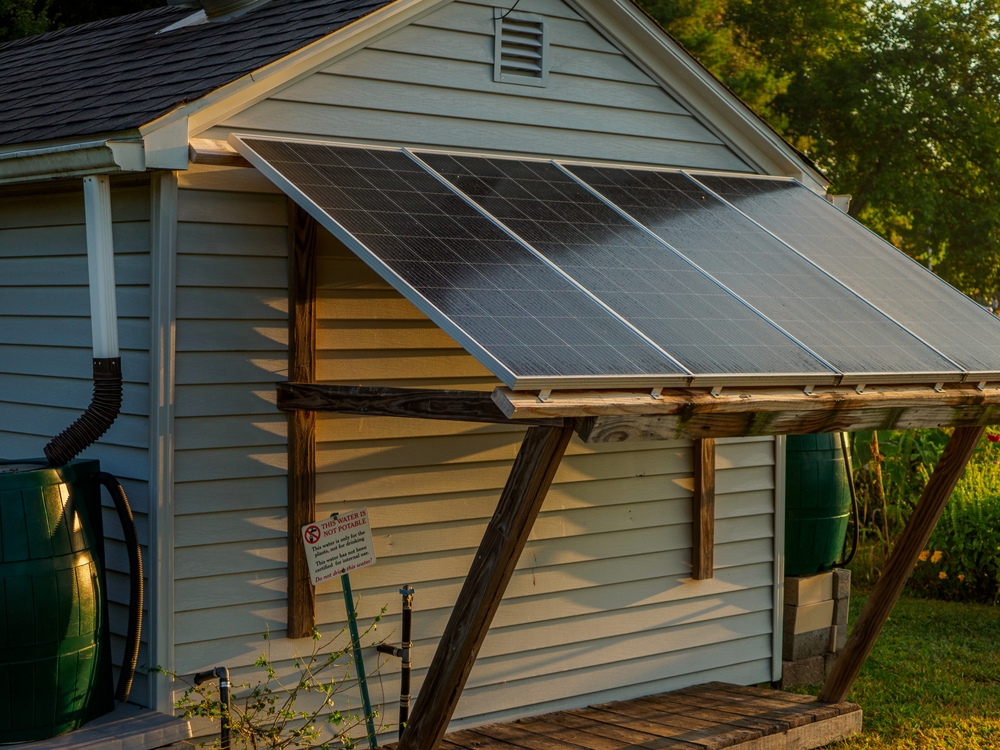
When using solar energy for canning home preserves, position your solar panels to receive maximum sunlight, ideally facing south with an angle of 30-40 degrees.
The best time for canning fall harvest produce is typically within 2 weeks of harvest, when the produce is at its peak freshness and acidity. This allows for op
For canning seasonal fruits, the best time of year is typically during peak harvest periods when fruits are abundant and at their sweetest. This varies dependin
Label home-canned jars with a permanent marker or label maker, including date, contents, and storage instructions. Use a consistent labeling system for easy ide
Overfilled jars can result in failed seals when canning, leading to spoilage and food safety issues.
Yes, you can pickled vegetables without a pressure canner, but it requires using a water bath canner and strictly following safe canning practices to avoid spoi
Yes, you can can sauces that include thickeners, but the type and amount of thickener can affect the canning process and the safety of the final product.
Canning low-acid foods in a water bath is not recommended as it may lead to undercooked or underprocessed foods, potentially resulting in spoilage and foodborne
Canning meat at home is a safe process if done correctly using a pressure canner and following tested recipes from trusted sources.
You can safely can mixed vegetables using a pressure canner, but it's essential to follow tested recipes and guidelines to ensure the vegetables are heated to a
Yes, you can can on a wood stove while off-grid, but it requires careful attention to temperature control and canning techniques to ensure safe and quality pres
Yes, you can can pickles without a water bath, but it requires a pressure canner and adherence to strict guidelines to ensure safe preservation.
YES, you can pressure can homemade tomato sauce.
Old canning lids can be reused for new batches if they are properly cleaned and sanitized and if the vacuum seal remains intact. However, using old lids may com
Yes, you can safely can broths and stocks at home, but it requires following tested canning procedures to ensure the acidity and heat treatment are sufficient t
Low-acid foods cannot be safely canned in a water bath due to the risk of botulism and other foodborne illnesses.
Can You Store Canned Foods In A Shed Or Barn? Yes, you can store canned foods in a shed or barn, but proper storage conditions and precautions must be taken to
SLOW COOKER WATER BATH CANNING IS NOT RECOMMENDED AS IT DOES NOT PROVIDE EVEN HEAT DISTRIBUTION NEEDED FOR SAFE CANNING. WATER BATH CANNING REQUIRES A MINIMUM O
Essential oils can be added to canning recipes, but it's essential to use them in moderation and follow safe canning practices to prevent spoilage and ensure th
Glass containers are not recommended for pressure canning due to the risk of thermal shock and potential glass shattering.
You can use recycled jars for home canning if they meet specific requirements, such as having food-grade materials and no signs of damage or wear. Look for jars
Canning is a valuable sustainable skill in off-grid living, allowing individuals to preserve homegrown produce for year-round consumption and reduce reliance on
Canning at higher elevations requires adjustments in altitude, processing time, and acidity levels due to the lower atmospheric pressure. This can lead to under
For off-grid living, you'll need a canning equipment set consisting of a water bath canner, pressure canner, jars, lids, and a utensil for removing air bubbles.
Canning foods with fresh herbs can be safe, but it requires careful consideration of herb type, water content, and canning techniques to prevent spoilage and fo
When canning vegetables, common mistakes to avoid include not following tested recipes, under-processing or over-processing jars, and failing to maintain a clea
Common Signs Of Spoiled Home-Canned Foods: Spoiled home-canned foods can be identified by a range of physical and sensory characteristics, including swelling or
Certain fruits do require different acid levels for canning to ensure they are properly sterilized and safe for consumption.
Different pressure canners have varying safety ratings due to differences in their design, materials, and manufacturing processes. Some pressure canners may not
Home-canned pickles do not necessarily need to be pressure canned, but must be acidified to a safe level and follow proper canning procedures to prevent spoilag
You can use a pressure canner for soups, but it's not always necessary. Pressure canning is recommended for low-acid foods like meats and vegetables, which are
Induction cooktops generally do not work well for pressure canning due to the specific requirements of pressure canning and the properties of induction cooking.
A special canner is not strictly necessary for jam and jelly canning, but it's highly recommended for safety and to achieve the correct acidity levels.
Yes, processing times for canning home preserves need to be adjusted for different altitudes to ensure safe and effective sterilization. This adjustment is esse
Elevation can affect the canning process, but it primarily impacts the time and pressure required for low-acid foods. For high-acid foods like fruits, jams, and
Using fresh produce in canned goods can indeed enhance flavor, as it allows for the retention of natural sugars, acids, and other flavor compounds that are ofte
To successfully home can fruits, you'll need essential tools like a large pot for processing, a pressure canner for high-acid foods, and a vacuum sealer for sto
Regular testing of a pressure canner gauge is necessary to ensure accurate pressure readings, which in turn affect the safety and quality of canned food. Failur
Fruits with high pectin content are ideal for jamming because they naturally thicken and set well, reducing the need for additional pectin. Apples, citrus fruit
Leave jars at room temperature undisturbed for 12 to 24 hours before moving them to the pantry or storage. This allows the canning process to complete and preve
Processing jars in a water bath canner typically takes 10 to 45 minutes, depending on the altitude and the type of food being canned. For high-acid foods like j
A large pressure canner typically holds 24 to 32 quarts, depending on the brand and model.
Home-canned goods should be inspected at least every 6-12 months for signs of spoilage, such as mold, rust, or swelling of the jars. It's also essential to chec
To avoid botulism when canning in your kitchen, follow safe acidity levels, use pressure canners, and ensure all equipment is properly sterilized. Use a tested
Choosing the right canning recipe as a beginner involves considering factors such as the type of food to be preserved, the equipment available, and the desired
Canned foods can be safely stored and consumed after a power outage if they were properly canned and handled before the event. If the power outage was short, ca
To properly adjust times for water bath canning, refer to the altitude guidelines provided by the USDA, which recommend increasing processing time by 1 minute f
Safely canning foods using solar power requires a well-designed and equipped system that meets specific temperature and pressure requirements. It's essential to
To safely hot pack your jars for canning, immerse them in boiling water for 10-15 minutes to sterilize, then fill the jars with hot food, leaving a 1-inch heads
Store home-canned goods in a cool, dark place, away from direct sunlight and heat sources, to maintain their quality and shelf life. Use airtight containers or