02 — Pillar · Off-Grid
Expert guides and Q&A about diesel vehicles off grid.
Q&A in this topic
60 total
Diesel engines provide more torque, better fuel efficiency, and longer engine life for off-road excursions compared to gasoline engines, making them a popular c
Diesel engines are generally more fuel-efficient than their gasoline counterparts, particularly for long-distance driving or heavy-duty applications, with diese
Biodiesel laws and regulations vary by country and state, but many have specific standards for blending percentages, sulfur content, and engine compatibility.
Biodiesel producers can obtain certifications like the International Organization for Standardization (ISO) 9001 for quality management and ISO 14001 for enviro
Some countries and states offer tax incentives for using biodiesel in vehicles, such as exemptions from excise taxes or rebates for purchasing biodiesel blends.
Biodiesel offers a cleaner-burning alternative to traditional diesel fuel, reducing emissions and potentially protecting sensitive ecosystems during winter camp
For WVO engines to run smoothly, it's crucial to use high-quality filters that can handle the unique characteristics of waste vegetable oil. Look for filters wi
Sourcing waste vegetable oil (WVO) for diesel vehicle conversions requires visiting local restaurants, cafes, or food establishments with high grease trap capac
Winterize a biodiesel vehicle by draining the fuel system, adding a fuel stabilizer, and switching to a winter-grade oil to prevent excessive cold-weather engin
WVO conversion in diesel engines requires careful preparation and maintenance to ensure a reliable and efficient operation.
To remove food particles from used cooking oil, filter it through a coarse filter, then a finer filter, and finally through activated charcoal. You can also add
A diesel generator can run on biodiesel, but the compatibility depends on the generator's fuel system and the biodiesel's quality. Biodiesel blends can be used
A diesel vehicle's engine longevity can indeed improve with biodiesel, but it's crucial to use a high-quality biodiesel that meets the ASTM D6751 standard and t
Biodiesel can be made at home safely, but it requires careful planning, specific equipment, and adherence to safety protocols. With proper knowledge and precaut
Yes, biodiesel fuel can be legally transported for personal use, but it's essential to follow specific regulations and guidelines.
Biofuels can help reduce off-grid energy costs by providing a locally produced, renewable alternative to diesel fuel for off-grid diesel vehicles.
COLD WEATHER CAN REDUCE BIODIESEL PERFORMANCE IN ENGINES, ESPECIALLY AT LOW TEMPERATURES, LEADING TO POOR ENGINE STARTING, LOWER FUEL EFFICIENCY, AND POSSIBLE E
Diesel vehicles can run on 100% biodiesel without modifications, but it's crucial to ensure that the biodiesel meets the required ASTM D6751 standards. This typ
Diesel-fueled generators can run on biodiesel without modifications, but it's crucial to ensure the biodiesel meets specific standards and guidelines.
While diesel vehicles can't operate off-grid without any fuel at all, you can significantly reduce fuel dependency by using alternative energy sources and optim
Yes, you can use used vegetable oil in your diesel truck, but it requires proper processing and handling to ensure safe and effective use.
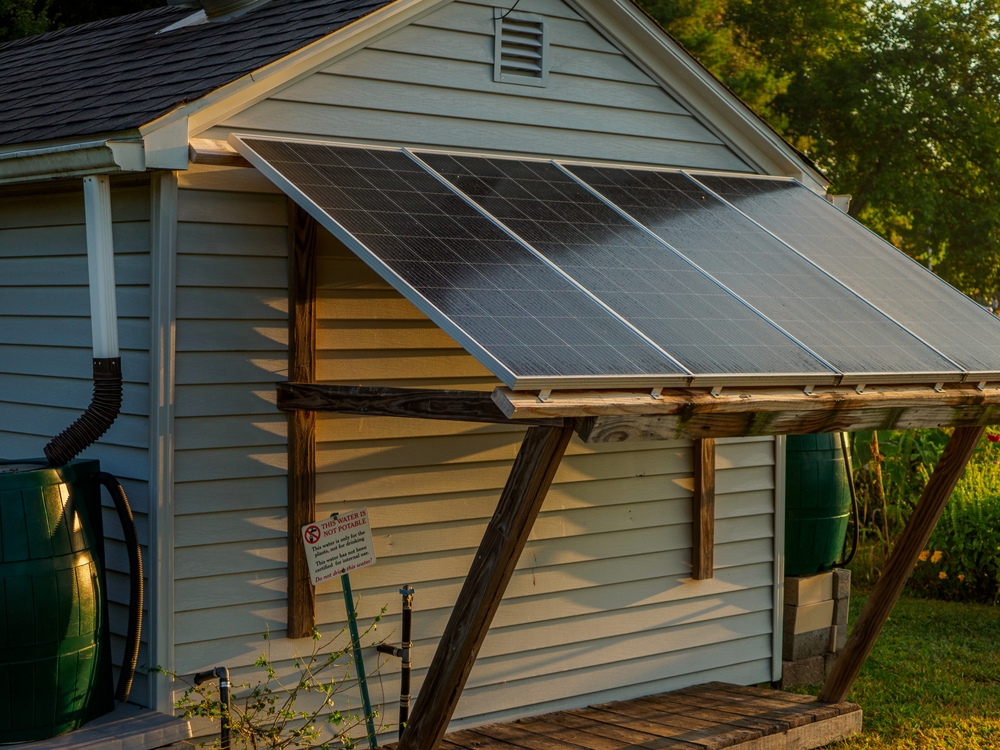
Yes, solar energy can charge the batteries of a diesel vehicle, but it depends on the specific setup and requirements.
Solar panels can power some diesel vehicle accessories efficiently, but the system's design and efficiency greatly depend on the specific load requirements and
Short Answer: Yes, you can mix biodiesel with regular diesel fuel, but the percentage of biodiesel should be carefully considered to avoid engine damage.
Mixing biodiesel with regular diesel during winter is generally safe if done in moderation and under the right conditions, but some biodiesel blends may not per
Running a diesel vehicle on straight vegetable oil is possible, but requires careful preparation and maintenance to avoid engine damage. Vegetable oil fueling r
Blending biodiesel with conventional diesel is generally safe, but it's crucial to follow the recommended ratio and ensure the engine is compatible.
Storing biodiesel at home can be safe if proper precautions and equipment are in place, including using a dedicated fuel tank, fuel line, and handling procedure
Converting vehicles to biodiesel poses challenges such as fuel compatibility issues, engine modifications, and higher production costs compared to traditional d
Diesel is superior to gasoline for off-grid living due to its higher energy density and longer engine life, which translates to lower operating costs and less f
Not all diesel engines support biodiesel blends equally, and the compatibility varies depending on the diesel engine type and manufacturer.
Using biodiesel in diesel vehicles may void some manufacturer warranties or service agreements, but this largely depends on the specific type and percentage of
Different climates affect biodiesel performance due to varying temperatures, humidity levels, and microbial growth. Extreme temperatures can cause biodiesel to
At high altitudes, diesel engines experience reduced air density, which decreases oxygen availability and increases engine pumping work, leading to decreased pe
As altitude increases, the air density decreases, which can lead to a decrease in the efficiency of a diesel engine due to reduced air intake and oxygen availab
Biodiesel generally emits 10-15% fewer greenhouse gases and about 40% fewer particulate matter emissions than fossil diesel.
Biodiesel can cause increased engine wear and tear compared to traditional diesel fuel due to its higher viscosity and potential for glycerin buildup, particula
Converted WVO engines can last between 5,000 to 15,000 miles before issues arise, depending on factors such as engine maintenance, fuel quality, and usage patte
A converted WVO vehicle requires regular maintenance every 1,000 to 5,000 miles, including fuel filter changes, water separator cleaning, and glycerin managemen
It's recommended to change the fuel filter in a converted diesel every 5,000 to 15,000 miles, depending on the vehicle's make, model, and usage. This frequency
To adapt the heating system in a biodiesel vehicle for winter, upgrade the fuel system with a winter-grade fuel, add a block heater to preheat the engine, and i
Savings from using biodiesel can be calculated by comparing the cost of biodiesel to diesel fuel, then considering any tax incentives or rebates that may apply.
Choose a diesel vehicle with a 4-cylinder or V6 engine, at least 3.0L displacement, and a 4WD drivetrain for rugged off-grid adventures.
To ensure a clean fuel system for biodiesel, regular maintenance is key, including filter replacements and fuel tank cleaning, while also ensuring the biodiesel
Evaluate the quality of used cooking oil for biodiesel by checking its free fatty acid (FFA) content, which should be below 5%, and its water content, which sho
Diesel mechanics with conversion experience can be found through online directories, word of mouth, and specialized forums or websites that cater to off-grid en
To improve the performance of biodiesel in extreme temperatures, use a blend of winter-grade biodiesel, maintain a consistent fuel temperature, and consider add
To increase the efficiency of a biodiesel heating system, regular maintenance and proper fuel quality are crucial. This includes ensuring the correct blend rati
Locate WVO sources by searching online for local restaurants, food processing facilities, and waste management companies in your area, and then contact them dir
To maintain fuel quality for converted biodiesel, it's essential to store it in a clean, dry tank, ensure proper mixing of fuel and additives, and perform regul
To prepare a diesel engine for long-term storage when using biodiesel, drain the fuel tank and replace it with a fuel stabilizer suitable for biodiesel, drain t
To remove contaminants from used cooking oil for biodiesel, you'll need to filter and degum it, and then neutralize the free fatty acids. This process requires
The best way to store homemade biodiesel long-term is in airtight containers, typically made of food-grade plastic, in a cool, dark place, and ideally at a temp
To test the quality of biodiesel, perform a series of physical and chemical tests, including viscosity measurement, density testing, and acid value analysis. Yo
Diesel engine issues can be caused by low fuel quality, poor maintenance, or incorrect operation. Troubleshooting involves identifying symptoms, inspecting key
To troubleshoot fuel delivery issues in biodiesel engines, check the fuel filter, fuel injector, and fuel pressure, and ensure proper fuel compatibility and sys
A Mercedes-Benz Sprinter 4x4 3.0L V6 Diesel or a Volkswagen Crafter 4MOTION 2.0L TDI are ideal diesel vehicles for off-grid travel with family due to their reli
A diesel engine is generally more reliable off-grid than a gasoline engine due to its inherently higher torque output, lower fuel consumption, and more efficien
Biodiesel production from food crops is ethically questionable due to the potential for land use and water competition with food production, leading to food pri
Biodiesel is generally safe for diesel engines, but it may not be suitable for all engines, especially older ones, due to potential compatibility issues.