02 — Pillar · Off-Grid
Expert guides and Q&A about earthship homes.
Q&A in this topic
60 total
Earthship homes are indeed considered eco-friendly due to their unique design and sustainable features.
Earthships can be suitable for families, offering a self-sufficient and sustainable living option, but they often require careful planning and design to accommo
Earthships are an excellent option for remote locations due to their self-sufficiency and minimal environmental impact. With proper design and construction, the
Passive solar designs are effective in northern climates, particularly when incorporating earthship home principles that maximize thermal mass and natural insul
Earthship communities have been established worldwide, implementing sustainable architecture by utilizing recycled materials, rainwater harvesting, and renewabl
FINANCING OPTIONS FOR EARTHSHIPS ARE LIMITED BUT ACCESSIBLE THROUGH VARIOUS MEANS, INCLUDING GRANTS, LOANS, AND SELF-FINANCING TECHNIQUES. EARTHSHIP OWNERS CAN
Yes, grants are available for building Earthship homes, particularly for projects that focus on sustainable living, renewable energy, and community development.
Yes, there are insurance options available for Earthship home owners, which can be challenging due to the unique construction and off-grid nature of these homes
Earthship homes are not subject to conventional building codes, but rather follow the International Building Code (IBC) and International Residential Code (IRC)
Workshops for learning Earthship construction are indeed available. These hands-on training sessions provide participants with valuable experience in building s
Benefits of using tires in Earthship construction include thermal mass, insulation, and structural support, allowing for energy efficiency and durability.
For maximum energy efficiency, use passive solar techniques like large south-facing windows, thermal mass elements, and overhangs to reduce summer heat gain and
Earthship homes can accommodate large families, but their design and size need to be specifically tailored to meet the needs of a larger group. The key is to in
Earthships can be built on uneven terrain, but it requires careful planning and design to accommodate the unique challenges of the site.
While it's possible to build Earthships in flood-prone areas, careful site selection, design modifications, and advanced water management systems are crucial to
Earthships can be modified for modern comforts by incorporating advanced materials and technologies, such as solar panels, wind turbines, and high-performance i
Earthships can be designed to be both off-grid and connected to utilities, allowing homeowners to choose how much energy they produce versus consume from the gr
Earthships can utilize alternative energy sources, such as solar, wind, and hydro power, to reduce their dependence on fossil fuels and promote sustainability.
Local soil can be used for rammed earth construction, but it's essential to test its suitability first, as it must be free from contaminants, have good compress
Passive solar designs can be adapted for different architectural styles, allowing homeowners to incorporate energy-efficient features into traditional or modern
Yes, passive solar homes can be heated solely by the sun during sunny periods, but supplemental heating methods are often necessary for prolonged periods of clo
Rammed earth can be used in earthquake-prone areas, but it requires careful design and construction to meet seismic safety standards. This involves using reinfo
Rammed earth structures can withstand strong winds, but their performance depends on various factors including wall thickness, mortar quality, reinforcement, an
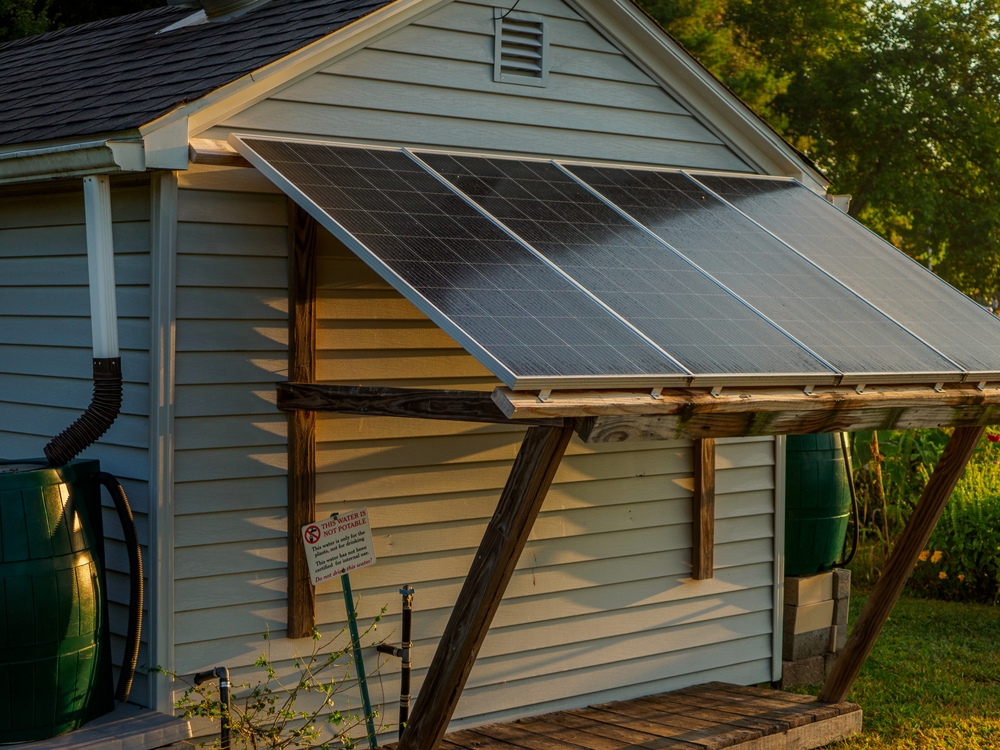
Yes, solar panels can be integrated into an Earthship's design, providing a reliable source of renewable energy and reducing reliance on external power sources.
Yes, conventional plumbing can be added to an Earthship, but it requires consideration of the home's unique design and the need for greywater reuse and rainwate
An Earthship can be constructed with minimal resources by utilizing recycled and locally sourced materials, such as tires, cans, and natural building techniques
Yes, food can be grown inside an Earthship, utilizing natural light, thermal mass, and passive solar design to create a self-sustaining environment for plants.
Modern technology can be seamlessly integrated into an Earthship, enhancing its sustainability, efficiency, and comfort while maintaining its ecological princip
Integrating wind power with an Earthship design is feasible and can enhance the overall sustainability of the dwelling. Earthships are designed to be off-grid,
Recycled materials can be effectively integrated into Earthship construction, allowing homeowners to reduce waste and lower the overall cost of the project. Thi
Greywater is a viable option for Earthship homes, and it can be utilized to reduce water consumption and promote sustainable living.
Living year-round in an Earthship home poses challenges related to moisture management, insulation, and energy efficiency, particularly during extreme weather c
Sourcing materials for an Earthship build can be challenging due to the need for specific waste materials, geographical location constraints, and logistical com
Many people believe Earthship homes are overly expensive to build and require too much maintenance, while others think they are only suitable for remote or off-
Earthship homes often require building permits, but this depends on the jurisdiction and local regulations. In the US, for example, many Earthship builders obta
Earthships generally comply with local building codes, but the process of approval can be complex and may require additional documentation and modifications to
Earthships generally have a unique appeal that attracts environmentally conscious buyers, but their resale value can be unpredictable and may not match traditio
Passive solar buildings can minimize the need for backup heating systems, but they may still require some supplemental heating to maintain a consistent indoor t
Rammed earth walls require minimal finishing treatments due to their dense, durable nature and ability to withstand various environmental conditions.
Earthship homes are more sustainable than traditional homes due to their focus on renewable energy, water harvesting, and recycling materials. They can reduce e
Earthships perform relatively well in extreme temperatures due to their unique design and use of natural materials. The thick walls made from rammed earth, tire
Tire houses, a common feature in earthship homes, manage thermal performance during winter by incorporating natural insulation, thermal mass, and passive solar
Tire walls offer a unique and eco-friendly alternative to conventional walls for insulation, with a thermal mass of around 30-40 R-value per 4 feet of wall thic
A green roof on an Earthship home benefits by insulating the dwelling, decreasing energy consumption, and increasing water retention, all while providing additi
Climate affects the construction of rammed earth homes by altering soil moisture levels, affecting the structural integrity and durability of the walls. In regi
Local climate influences Earthship design choices by determining the required insulation, window orientation, and solar panel efficiency. In hot climates, Earth
Moisture in rammed earth walls can lead to degradation, structural issues, and costly repairs if not properly managed.
Sun exposure plays a crucial role in passive solar effectiveness, as it influences the amount of solar radiation absorbed by the building, impacting heating and
The orientation of an Earthship affects energy efficiency by maximizing natural sunlight and passive solar heating and cooling, with optimal orientation dependi
VENTILATION_SUMMARY: Rammed earth structures depend on ventilation to regulate indoor air quality and temperature, which is typically achieved through the use o
Tire walls can be moderately effective for sound insulation, especially when used in combination with other materials. They can achieve STC (Sound Transmission
Tire walls are moderately effective in temperature regulation, providing a moderate level of thermal mass and insulation, with a typical R-value of 1-2 per inch
A typical Earthship home covers around 1,000 to 2,000 square feet, depending on the design and the number of occupants.
Typically, an Earthship requires around 12-20 tires for the main structure, depending on the design and size of the home.
To create a self-sustaining garden within an Earthship, focus on hydroponics, rainwater harvesting, and efficient irrigation systems to maximize water usage. In
To effectively ventilate an Earthship during summer, it's crucial to maintain a balance between cooling the interior and exhausting hot air. Earthships are desi
To ensure proper drainage around an Earthship, it's essential to slope the site to allow water to flow away from the structure and create a French drain system
MAXIMIZE natural light in an Earthship design by orienting the south-facing walls to receive direct sunlight, using high-transparency glazing materials, and inc
To optimize energy efficiency in a passive solar building, use thermal mass materials, south-facing windows, and proper insulation. The ideal window-to-wall rat
To prevent moisture issues in rammed earth homes, incorporate a waterproof render, maintain a slight slope to direct water away, and ensure proper ventilation t