02 — Pillar · Off-Grid
Expert guides and Q&A about ham radio technician license.
Q&A in this topic
60 total
Cost-effective options for ham radio equipment exist, offering high-quality performance at lower price points. Many amateur radio operators successfully build a
Yes, there are ham radio contests specifically designed for new technicians, providing a fun and challenging way to hone their skills and gain operating experie
Yes, there are numerous ham radio events for new technicians to participate in, including field days, contests, and workshops, which offer hands-on experience a
Yes, there are online courses available to help prepare for technician licenses, including the US Federal Communications Commission (FCC) amateur radio technici
Ham radio operators in remote regions must adhere to specific regulations, including obtaining the proper licenses and following frequency allocation guidelines
For a basic antenna setup in off-grid locations, technicians with a ham radio technician license should consider using a simple dipole antenna or a vertical ant
Handheld radios for outdoor enthusiasts with a Technician License typically operate on VHF and UHF frequencies, offering reliability and coverage. Popular choic
For off-grid adventures, top portable ham radios include the Yaesu FT-60R, Icom IC-L82, and Baofeng UV-5R. These models offer durability, reliability, and advan
When choosing a ham radio for off-grid use, consider a model with a reliable battery life, durable construction, and a suitable power output to communicate with
To maintain effective communication etiquette in ham radio, operators should be mindful of call signs, clearly state their name and location, and use simple lan
To operate ham radio during peak conditions, use a well-insulated antenna to reduce interference, keep a spare battery charged and ready, and minimize transmiss
To operate a ham radio in wilderness areas safely and effectively, consider the following best practices: Use a high-gain antenna to extend communication range,
Store your ham radio in a dry, moisture-free environment, shielded from direct sunlight and extreme temperatures, and maintain a stable voltage supply to ensure
For learning radio theory as a technician, consider investing in textbooks like \
Improve ham radio antenna reception by elevating the antenna to a height of at least 20 feet above the ground, using a sturdy mast or tower, and employing a dir
For long-distance communication with repeaters, aim for dawn and dusk when ionospheric conditions are optimal, typically around 30 minutes before sunrise and 30
Technician License Holders can conduct emergency communication drills, but they are limited to using voice modes and may not have access to all emergency commun
Yes, you can build your own antenna after getting your ham radio technician license. To ensure a functional and efficient antenna, research and follow a reliabl
Yes, you can communicate with emergency services using a ham radio, provided you hold a valid Amateur Radio Operator license issued by the Federal Communication
Yes, you can connect your ham radio to a computer for better functionality, which allows for data logging, remote control, and integration with digital modes.
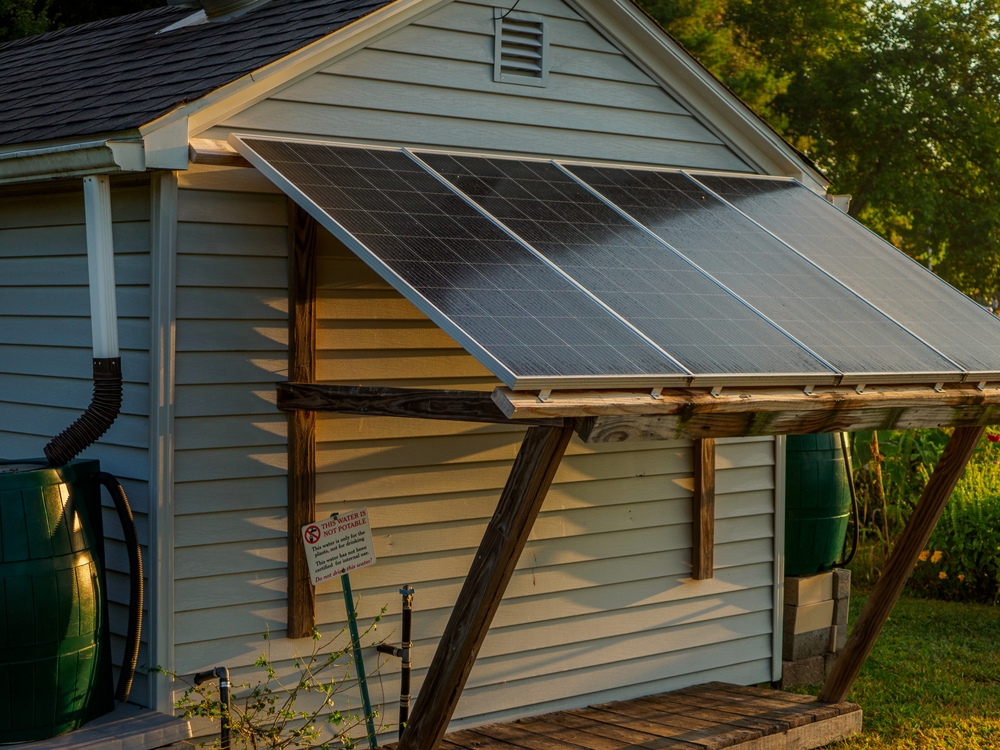
Yes, you can operate your ham radio with off-grid solar power, but it requires careful planning and a reliable solar panel system to ensure a stable power suppl
Yes, with a Ham radio operator license, you can contact local authorities and emergency services in emergencies.
Yes, you can use your ham radio to communicate internationally, but you need to obtain an amateur radio license and understand the regulations and technical req
Yes, you can use your ham radio without access to repeaters, as long as you have a direct line of sight to the person or station you are trying to communicate w
A Technician Class license allows amateur radio operators to use Automatic Position Reporting System (APRS) on 144 MHz and 440 MHz frequencies with a power limi
Yes, you can use solar power to charge your ham radio batteries.
UHF repeaters can be used for long-distance communication, but their effectiveness depends on the terrain, antenna height, and the number of repeaters in the ch
Solar Panels can power your ham radio during emergencies, providing a reliable energy source for communication when the grid is down. To do this, you'll need to
Technician license holders can experiment with DIY electronics, but it's essential to follow safety guidelines and adhere to the Federal Communications Commissi
Yes, you can use ham radio for weather updates off-grid by tuning into government-run weather nets, using APRS (Automatic Position Reporting System) technology,
Ham radio operations in the wilderness can be challenging due to high levels of ionospheric noise, solar activity, and terrain-induced signal obstruction. Frequ
NEW HAM OPERATORS OFTEN OVERLOOK PROPER ANTENNA TUNING, RESULTING IN POOR SIGNAL STRENGTH AND DISTURBED NEIGHBORS, AND FAIL TO COMPLETELY UNDERSTAND BANDWIDTH A
Yes, different states have varying laws and regulations for ham radio operation, but federal regulations supersede state laws for amateur radio operation.
Ham radio operators may face restrictions during wildfires due to potential interference with emergency communications and safety concerns.
Ham radio operators should consider insurance for their equipment to protect against damage, theft, and liability, although it's not always required by law.
No, in the United States, a practical exam is not required for a Technician Class ham radio license, only a written exam.
No license is required for citizen band (CB) radio operation in the United States, but it is regulated by the Federal Communications Commission (FCC). CB radios
No license is required to operate a GMRS (General Mobile Radio Service) radio off-grid, but you must follow the Federal Communications Commission (FCC) rules an
No, you do not need to know Morse code to get a Technician Class ham radio license in the United States. The Federal Communications Commission (FCC) no longer r
Repeaters often struggle to provide comprehensive coverage in remote or rural areas due to the natural terrain and distance between locations, leading to potent
Repeaters do not require internet access to function properly, but they often rely on cellular or internet connectivity for communication and administrative pur
Repeaters do require special equipment for emergency use, but most modern repeaters are designed for seamless integration with ham radio systems, making it rela
Effects of Terrain on Ham Radio Communication Range: Terrain can significantly reduce a ham radio's communication range, with mountains and hills typically decr
Ham radio repeaters can be employed as emergency communication tools, providing a reliable way to contact others over long distances when cellular networks are
For ham radio technicians, the frequency allocation limits are governed by the Federal Communications Commission (FCC) and the International Telecommunication U
Ham radio performance is heavily influenced by the power source, with lower power sources often resulting in reduced signal strength and range, while higher pow
A Technician License is valid for 10 years from the date of issue.
Ham radio repeaters change frequencies for maintenance and upgrades, typically every 5 to 10 years, although some may be updated more frequently. This is done t
Build a portable antenna by attaching a 1/4 wavelength vertical antenna to a fiberglass or aluminum mast, using a PL-259 connector and a 1/4 wavelength radials
Search online for \
Local ham radio events can be found through online directories, social media groups, and local amateur radio clubs, which often post event details on their webs
You can locate active Ham radio repeaters near you by using online databases, mobile apps, and scanning local frequencies. Start with the Repeater Book website
Maintaining your ham radio gear in off-grid situations requires regular cleaning, inspection, and troubleshooting to ensure optimal performance. Check for signs
To set up a portable ham radio station for camping, choose a suitable location, assemble the necessary equipment, and configure the radio for optimal performanc
To successfully network with other Ham operators, join online forums and groups, attend local Ham radio events, and participate in regular communication through
Before going off-grid, test your ham radio setup by checking the power supply, antenna alignment, and frequency settings. Use a signal generator or a friend's h
To troubleshoot communication issues with repeaters, first ensure your radio is configured to the correct frequency and tone, then check for nearby interference
Use a ham radio to coordinate off-grid activities by broadcasting your location, needs, and status through a specific frequency, utilizing a repeater to extend
The ideal frequency bands for off-grid emergency communication are 2 meters (144-148 MHz) and 70 centimeters (420-450 MHz), offering a balance between range, ea
Ham radio operators should be prepared for emergencies such as natural disasters, power outages, and communication disruptions. This preparedness can save lives