02 — Pillar · Off-Grid
Expert guides and Q&A about hay production small farm.
Q&A in this topic
60 total
Yes, there are grants available for small-scale hay farmers. These grants typically focus on promoting sustainable agriculture, conservation, and rural economic
Square bales are generally better for small-scale hay production due to their easier handling and increased storage density, making them ideal for homesteads wi
A sickle bar mower offers benefits such as efficient cutting, reduced maintenance, and improved hay quality. It's ideal for small-scale hay production due to it
Cover crops like winter rye, hairy vetch, and clover improve hay soil quality by adding organic matter, suppressing weeds, and attracting beneficial insects.
For homemade hay production, the best grass varieties include Orchard Grass, Timothy Grass, and Alfalfa, as they offer a high yield, are relatively easy to harv
Conduct hay field inspections before harvest to assess moisture levels, weed presence, and equipment readiness. Inspect fields at least 3-5 times during the gro
Mark hay bale storage areas with clear, visible signs to prevent accidents and equipment damage, ideally using brightly colored paint or reflective tape, and co
Rotating hay fields involves changing the location of hay production to maintain soil health. This practice helps to reduce nutrient depletion, prevent soil ero
Scout hay fields thoroughly in late spring or early summer, looking for signs of pests such as rabbit droppings, rodent burrows, and insect damage to individual
To minimize loss, store bales in a dry, well-ventilated area, protect them from rodents and moisture, and consider using a waterproof cover or tarp. Ensure good
To test hay quality before feeding, inspect the hay's color, moisture content, and presence of mold or insects, and consider conducting a crude protein and fibe
For advanced hay harvesting, consider resources such as the University of Illinois Extension's hay production guide, online forums like TractorByNet, and instru
To manage hay baling line efficiency, prioritize equipment maintenance, optimize bale size and weight, and implement a scheduled maintenance routine to minimize
For optimal hay production in northern climates, the best time to cut hay is typically during the first half of July, when the moisture content is around 20-25%
For manual hay cutting in a homestead, the best tools include scythes, sickles, and mowers, with a focus on lightweight, high-quality designs for ease of use an
Animals can access stored hay without damage using secure fencing and adequate storage solutions such as airtight hay barns or netted enclosures. Proper fencing
Livestock grazing can impact future hay yields by degrading soil health, reducing forage quality, and altering the plant composition of pastures.
Yes, you can compost hay that's past its prime, but it requires proper management to prevent odors and pests.
Yes, you can cut and bale hay without a tractor by using manual or animal-powered equipment, such as a scythe or a horse-drawn mower, and a hand-cranked or peda
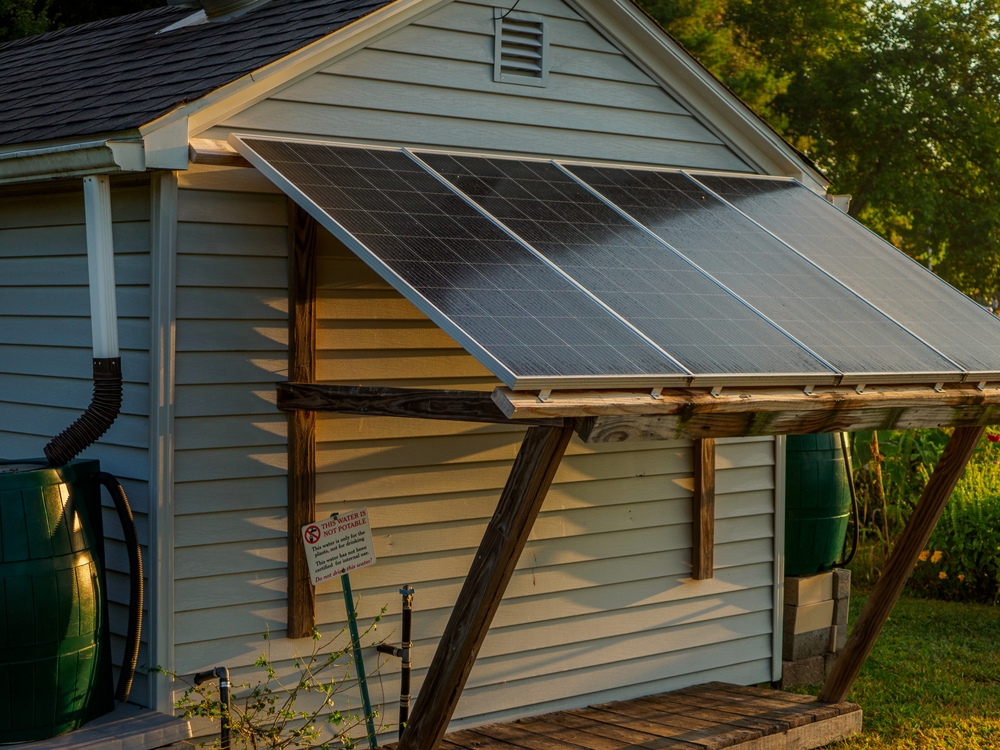
Yes, solar dryers can effectively dry hay, but they require proper design, size, and maintenance to achieve optimal results.
Yes, hay can be grown on poor soil conditions, but it may require additional management techniques and inputs. Soil amendments and cover cropping can improve so
Yes, it is possible to harvest hay and silage from the same field, but it requires careful planning to avoid over-grazing and damage to the crop.
Yes, legumes can be interseeded into established hay fields to enhance soil fertility, increase forage quality, and promote biodiversity, but the timing and tec
Yes, you can make hay without specialized equipment, but it will require more labor and time.
Yes, it is possible to successfully grow hay in a dry climate with proper planning, equipment, and techniques.
Successful hay production in sandy soil can be challenging due to its low nutrient and water-holding capacity, but it is not impossible. To grow hay in sandy so
Yes, you can use a baling twine alternative for hay, such as wire ties or net wraps, which offer better durability and resistance to rot and decay.
A handheld moisture meter can be used to measure the moisture content of fresh cut hay, but its accuracy may be limited by the complexity of hay composition and
Yes, you can use a lawn mower to cut hay, but it may not be the most efficient or cost-effective method.
A rake attachment can be used for small hay bales, but it may not be the most efficient method due to the compact size of the bales.
Yes, an ATV is a suitable means of transporting hay bales on a homestead, providing a convenient and efficient way to move them around the property. This is esp
Green chop can be used as a hay substitute in certain situations, particularly for high-moisture feeds or when hay is in short supply.
Hay can be used as garden mulch or compost, but it should be properly prepared to prevent weed seeds and diseases from spreading. Hay can be shredded or chopped
Old silage bags can be used for hay storage, but their effectiveness and durability depend on several factors including the quality of the bags, handling, and s
Working with hay equipment poses risks of entanglement, crushing, and equipment operation hazards, emphasizing the importance of safety precautions and regular
No, not all hay types require similar handling techniques, as different types of hay have varying moisture levels, density, and fragility, which impact their ha
Different hay types can significantly impact livestock health, with various factors such as nutritional content, mold levels, and dry matter affecting the well-
Implementing effective pest control strategies in hay fields involves using integrated pest management techniques, such as crop rotation, removing weeds, and ap
Dry hay quickly after cutting by using a combination of techniques, such as tedding, raking, and windrowing, to allow air to circulate and moisture to evaporate
Measuring hay moisture content is crucial for optimal storage and preservation. Effective methods include using a hay moisture meter, the oven-dry method, and t
Upgrading equipment can improve hay efficiency by reducing labor time, increasing output, and minimizing waste. Key upgrades include investing in a high-capacit
Regular maintenance is crucial for hay equipment to ensure optimal performance, reduce downtime, and prevent costly repairs. This involves checking fluid levels
When selecting a hay rake, consider factors such as its size, material, and features like adjustable rake width and tine spacing. The hay rake's capacity, maneu
A small homestead with 2-5 acres of grazing land typically needs 2-4 tons of hay per year, depending on factors like climate, livestock breed, and grazing manag
For maximum yield, hay should be cut every 4-6 weeks, depending on the type of grass and climate. Cutting at the right stage of growth and before maturity will
Assessing the nutritional value of hay involves testing its moisture content, protein, and fiber levels, with optimal ranges being 18-20% protein, 25-30% fiber,
To avoid over-drying hay during hot weather, it's essential to monitor the moisture levels closely and adjust the drying time accordingly. Use a hay moisture te
To calculate the cost of hay production, consider labor, equipment, seed, fertilizer, and storage costs. Estimate the cost per acre, including expenses like fue
When choosing a hay spear for your tractor, consider the size of the hay bales you plan to create, the type of forage you're harvesting, and the capacity of you
To create a community network for local hay producers, form a cooperative where members share resources, expertise, and market information to optimize hay produ
Create a hay harvesting schedule by assessing your farm's climate, soil type, and hay crop maturity, then allocate a specific time frame for each phase of harve
To create a sustainable hay farming plan, consider implementing efficient cutting and baling techniques, utilizing renewable energy sources, and developing a ro
To decide between organic and conventional hay production, consider the land's soil quality, crop rotation needs, market demand, and the potential for increased
Determine the right cutting height for hay by considering the type of crop, its moisture content, and the intended use of the hay. A general rule of thumb is to
To educate yourself on hay harvesting techniques, start by researching online tutorials, watching videos, and consulting with local farmers or experts in small-
Establish a good relationship with local feed stores by building trust through open communication, providing quality products, and establishing a consistent pur
Identify and control weeds in hay fields by regular mowing, proper mowing height, and herbicide applications. Effective weed management begins with proper field
Inspect hay fields regularly for signs of invasive species, such as weeds, grasshoppers, and other pests. Look for changes in plant growth, color, and texture,
To make your own hay baler for small farms, you can repurpose a skid-steer loader or a tractor with a modified baler attachment. This involves using a used or r
To overcome weather challenges in hay production, implement flexible harvesting schedules, utilize weather-resistant equipment, and prioritize hay storage solut