02 — Pillar · Off-Grid
Expert guides and Q&A about meat chicken raising.
Q&A in this topic
60 total
Advantages of Mobile Chicken Coops for Pasture-Raised Birds include improved bird health, increased egg production, and reduced labor costs due to easy relocati
Pasture-raised chicken offers significant benefits over conventional chicken, including 38% higher omega-3 fatty acid content, 30% lower saturated fat content,
Raising chickens with kids is a valuable educational experience that teaches responsibility, empathy, and an understanding of the food production process.
Chickens can start foraging in pastures at 12-16 weeks of age, depending on breed and management practices. They should be introduced gradually to prevent stres
Process Cornish Cross chickens between 5 to 7 weeks of age for optimal flavor, as this allows for sufficient growth and development without excessive fat accumu
Directly market home-raised Cornish Cross chickens through local farmers' markets, word-of-mouth, and online platforms like Craigslist and Facebook Marketplace
For an off-grid meat production system, choose hardy, efficient breeds like Australorp, Plymouth Rock, or Wyandotte, which excel in foraging, disease resistance
For protecting pasture-raised chickens, consider sturdy fencing options like 4-foot tall electric netting with a 10-foot radius, 3-foot tall woven wire fencing
Cornish Cross growth rates can be improved with the addition of natural supplements that enhance nutrient absorption and overall health.
Protect your flock by using a combination of physical barriers, vigilance, and deterrents, such as motion-sensitive lights, guard animals, and secure coop desig
Integrate Cornish Cross chicks into an existing flock by quarantining them for 3-5 days, monitoring their health, and gradually introducing them to the existing
Slaughtering home-raised chickens ethically requires a calm and respectful approach, ensuring the animal's well-being and minimizing stress. This involves prope
Watering meat chickens on a homestead requires providing fresh, clean water at all times, changing the water daily to prevent bacterial growth, and using a wate
Consider starting to raise meat chickens in late winter to early spring in colder climates, around February or March, when temperatures are still relatively low
Introduce new birds to your flock in the morning, ideally 7-10 days after a dust bath or coop cleaning, when the existing birds are most relaxed. This timing he
Caloric requirements for growing Cornish Cross chickens vary based on age and weight, but a general guideline is to provide 1-2% of their body weight in feed pe
Meat chickens can adapt to changing weather conditions on pasture, but their ability to do so depends on factors such as breed, age, and overall health. They ca
Pasture-raised chickens can thrive in cold weather if provided with proper care and housing. A well-insulated coop with adequate ventilation is crucial for thei
PASTURED CHICKENS CAN LIVE ALONGSIDE OTHER POULTRY SPECIES, BUT IT REQUIRES CAREFUL MANAGEMENT TO PREVENT HEALTH ISSUES AND COMPETITION FOR RESOURCES. PASTURING
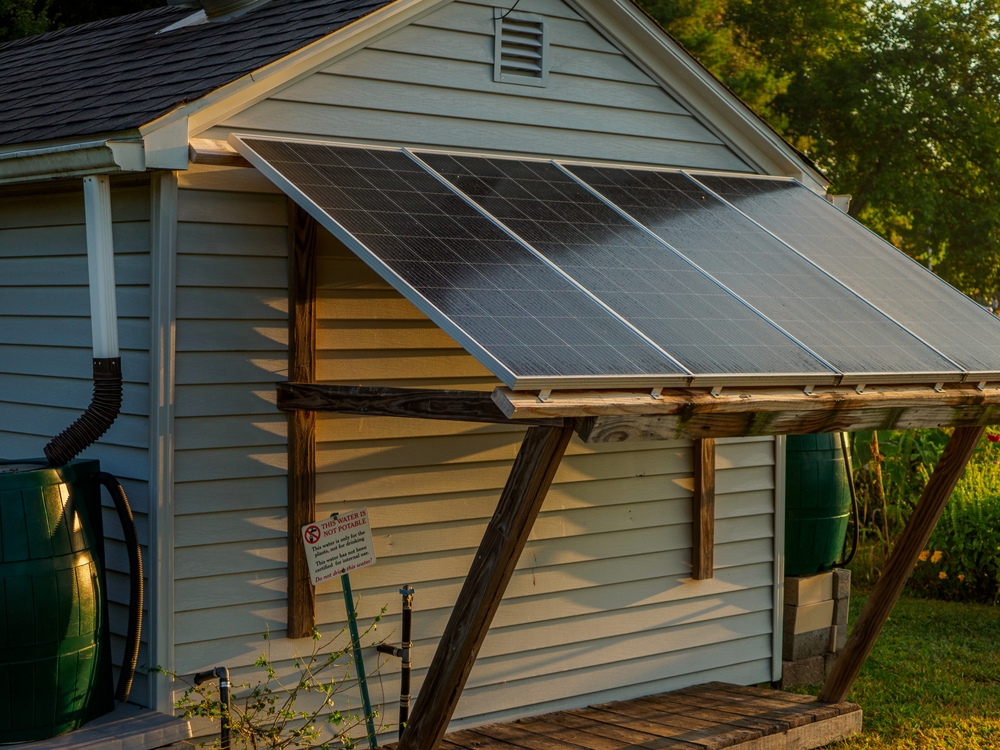
Solar power can effectively run chicken coops or watering systems by providing a reliable and renewable source of energy. A properly designed solar-powered syst
Yes, Cornish Cross chickens can be harvested for eggs, but they are primarily raised for meat production and may not provide the best egg-laying performance com
Cornish Cross chickens can be raised without a rooster, but they still require a male of some sort to fertilize eggs for optimal health and fertility. This is t
Yes, it's possible to raise meat chickens successfully in a small backyard with proper planning and execution, considering factors like space, feed, health, and
Yes, it's possible to raise meat chickens without commercial feed by providing a balanced diet of grains, proteins, and vegetables, supplemented with mealworms,
Yes, it's possible to successfully raise Cornish Cross in urban settings with proper planning, equipment, and management.
Compost can be used as chicken bedding, but it must be properly managed to ensure it is safe for the chickens and does not create health risks.
Raising meat chickens off-grid comes with unique challenges, including fluctuating temperatures, moisture management, and limited access to resources. This requ
Cornish Cross chickens are prone to several health issues due to their rapid growth rate and selective breeding for size. Owners should be aware of common disea
Common Problems When Raising Meat Chickens — How to Avoid Them? ---
A daily care routine for Cornish Cross chickens should include checking for water and food availability, monitoring flock health, and providing enough space for
Cornish Cross Chickens are primarily raised for their meat production due to their rapid growth rate and size, but they do lay some eggs.
Cornish Cross Chickens Do Not Need Roosters for Breeding.
Cornish Cross chickens require different care compared to layer breeds.
Cornish Cross chickens thrive in free-range environments.
Meat chickens pastured-raised often require special vitamins and minerals to maintain optimal health and productivity, particularly when foraging on diverse pas
Meat chickens have specific water requirements during growth phases that need to be met to ensure optimal health and productivity.
Meat chickens do not require artificial lighting during winter if they have access to natural light for at least 6 hours a day, with a photoperiod of at least 1
Pasture-raised chickens generally have less fat and more favorable fatty acid profiles compared to store-bought chickens. This is due to their diet and lifestyl
A special permit may be required to raise chickens off-grid, depending on local zoning laws and regulations. This permit is typically issued by the local govern
Feeding chickens scratch grains can positively affect their growth, as it provides them with essential nutrients and physical activity.
Pasture-raising improves the flavor of chicken meat by allowing chickens to forage on grasses and insects, which enhances the meat's fatty acid profile and umam
Weather conditions significantly affect meat chicken growth rate, with temperature fluctuations and humidity levels impacting feed efficiency, weight gain, and
When raising meat chickens in remote areas, essential gear includes a reliable coop, adequate fencing to protect from predators, and a water collection and puri
Feeding Cornish Cross chickens organic feed is not strictly necessary, but it can be beneficial for their health and the quality of their meat. Organic feed can
A feeding schedule for pasture-raised chickens matters most in terms of providing enough nutrients for optimal growth and laying, while also minimizing waste an
Feeding treats to meat chickens poses risks of overfeeding, which can lead to obesity and reduced egg quality, while also potentially spreading diseases like co
A forage diet is better for pasture-raised chickens due to its nutritional benefits and cost-effectiveness, although grains can be used as a supplement during e
Consuming pasture-raised chicken has been linked to several health benefits, including higher levels of omega-3 fatty acids, vitamins A and E, and conjugated li
Maintain soil health in chicken pastures by incorporating diverse forage species, managing manure effectively, and minimizing compaction through strategic grazi
Solar power can be used for chicken coop needs by powering lights, ventilation fans, and water pumps, reducing reliance on batteries and increasing the overall
Cornish Cross chickens typically reach market weight in 5-6 weeks, depending on factors such as feed quality, management practices, and desired final weight.
For a flock size of about 20-50 chickens, consider 3-5 chicken feeders to prevent overcrowding and ensure easy access to food. For larger flocks, add a feeder p
10-20 Cornish Cross chickens can fit in a small yard, depending on the yard's size and the chickens' living space requirements. For optimal health and well-bein
Check on pasture-raised chickens every 2-3 hours during the day to ensure their safety and well-being, especially during peak sun hours.
Meat chicken producers typically aim to move their pasture-raised flock every 7-10 days. This period allows for optimal forage utilization while preventing over
Create a predator-proof chicken run by using sturdy fencing, burying hardware cloth at least 12 inches underground, and covering the top with a strong roof to p
Fresh water for chickens in hot weather is crucial to prevent dehydration and heat stress. Ensure chickens have access to clean, cool water at all times, and co
Identify the best foraging areas for your chickens by observing their natural behavior and considering factors like sunlight, water access, and existing vegetat
To manage the smell in chicken coops during hot weather, it's essential to maintain airflow, provide adequate ventilation, and clean the coop regularly. This ca
To manage water supply for chickens when off-grid, prioritize rainwater collection, consider using a water storage tank, and implement a gravity-fed watering sy