02 — Pillar · Off-Grid
Expert guides and Q&A about offgrid community intentional.
Q&A in this topic
60 total
Alternatives to solar power for off-grid communities include wind power, hydroelectric power, and biofuels. Wind turbines can generate electricity using wind en
Electric vehicles can be practical for off-grid lifestyles with careful planning, suitable infrastructure, and consideration of energy storage needs.
Off-grid communities can offer a solution for modern housing crises by providing sustainable, self-sufficient living options for those seeking to escape traditi
Shared gardens can be an effective way to increase food production and reduce waste in off-grid living, especially in intentional communities where members shar
Many governments offer incentives for building off-grid, including tax credits, rebates, and grants for solar, wind, and geothermal systems. These incentives va
Established networks for off-grid living support exist, offering resources and connections for those transitioning to or living off the grid. These networks oft
Successful eco-tourism in off-grid communities is a growing trend, with examples such as ecovillages in Costa Rica and community-run tours in rural Africa. Thes
Yes, several financial models support ecovillage startups, including cooperative ownership structures, community land trusts, and impact investing.
Creating a child-friendly community requires careful consideration of various factors. A well-designed community can promote healthy development, social skills,
Yes, there are guidelines for sustainable building practices that can be applied in off-grid communities. These guidelines prioritize environmentally friendly m
Yes, living in an ecovillage can pose risks to residents due to the unique combination of factors such as remote locations, reliance on renewable energy, and co
Risks of burnout in intentional community living are real and can arise from overcommitment, lack of individual space and time, and the emotional demands of com
Yes, there are specific certifications for sustainable off-grid living, such as the Certified Permaculture Designer (CPD) and the Certified Off-Grid Living Spec
Off-grid gardening involves ecological practices such as permaculture, mulching, and companion planting to minimize waste, conserve water, and promote biodivers
Yes, there are successful case studies of ecovillages around the world, with examples such as Twin Oaks in the US and Crystal Waters in Australia, demonstrating
Yes, there are successful examples of urban ecovillages, such as the EcoVillage at Ithaca in New York, which has implemented sustainable practices and technolog
Benefits of permaculture in shared living environments include increased food production, reduced reliance on external resources, and a stronger sense of commun
Benefits of solar power in intentional communities include reduced reliance on public utilities, lower energy costs, and a decreased carbon footprint. This inde
Cultivating community bonds in ecovillages can be achieved through shared activities, inclusive decision-making processes, and fostering a sense of belonging am
In an ecovillage, sharing resources is essential for reducing waste, conserving energy, and promoting community cohesion. Effective resource sharing involves cl
An off-grid community can thrive without external resources by harnessing local renewable energy, utilizing efficient systems, and implementing sustainable prac
Intentional communities can thrive in harsh climates by implementing sustainable design, renewable energy systems, and communal resource management strategies.
Living off-grid can significantly reduce your carbon footprint by minimizing reliance on fossil fuels and grid electricity, often achieving a 90% reduction in g
Members of an ecovillage can legally sell products, but it depends on the nature of the products and the local regulations.
Off-grid communities can be highly self-sufficient, but achieving complete self-sufficiency may not be feasible due to limited resources and technological limit
Off-grid living can accommodate people with disabilities with proper planning, design, and implementation, utilizing accessible technologies and smart home syst
Off-grid living can include modern technology access through innovative solutions and careful planning, enabling residents to maintain a connection to the world
Off-grid living can support a healthy lifestyle long-term, provided the individual or community is well-prepared and equipped with the necessary resources and k
Urban settings can support off-grid living successfully with careful planning and execution, incorporating techniques such as rooftop solar, rainwater harvestin
An intentional community can create a library system that promotes cooperation, sustainability, and knowledge sharing, utilizing existing resources and embracin
Yes, off-grid financial backing is available for home projects, with options ranging from community-led crowdfunding to government incentives and private loans
Yes, it is possible to grow enough food year-round in an ecovillage with proper planning, infrastructure, and knowledge of permaculture and crop rotation techni
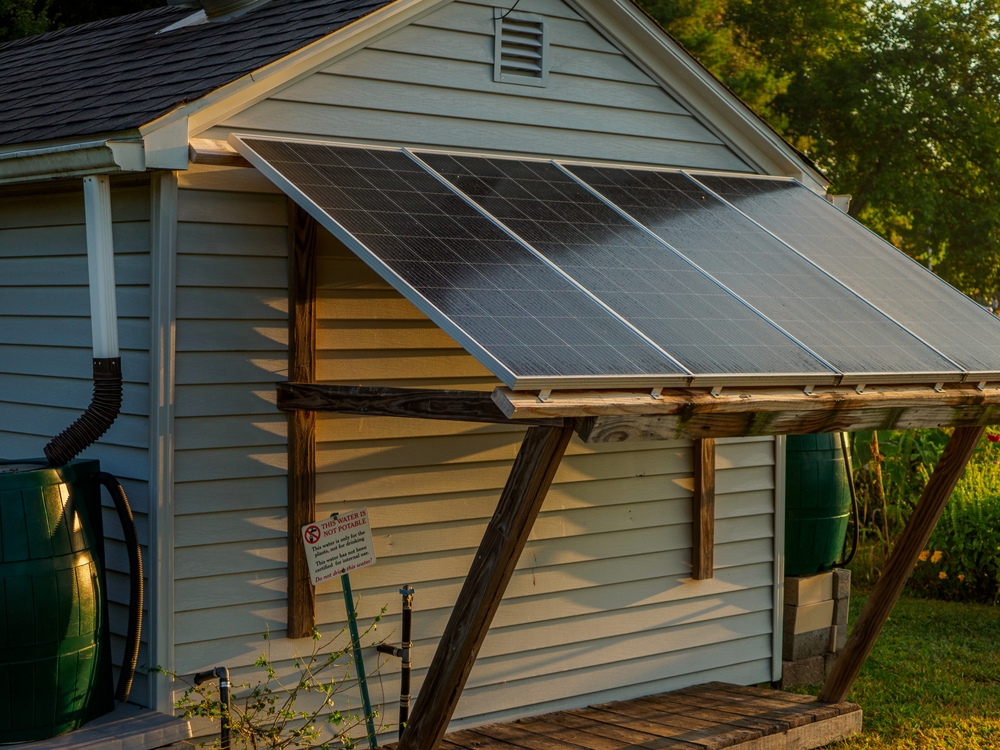
Yes, it is possible to install solar panels on a communal building, provided the roof is suitable for the installation and the community has a shared understand
Integrating renewable energy systems in an intentional community is not only feasible but also crucial for sustainability and self-sufficiency. With careful pla
In many countries, tiny homes in ecovillages are subject to local zoning laws and regulations, so it's essential to research and comply with these requirements
Short Answer: Off-grid solar communities face challenges such as inconsistent energy supply, high upfront costs, and limited access to maintenance and repair se
Finding like-minded individuals for off-grid living can be challenging due to geographical isolation, differing lifestyles, and varying levels of commitment to
Common misconceptions about intentional communities include the idea that all members live in a single large house, that they share all resources equally, or th
Living in isolation for extended periods in off-grid communities can lead to mental health issues, social isolation, and decreased resource management skills. T
Food co-ops can be an effective way for intentional communities to access fresh, locally sourced, and often organic produce while reducing their reliance on ind
Not all intentional communities prioritize environmentalism, as their goals and values can vary widely. While some may emphasize sustainability and eco-friendli
Intentional communities often have specific requirements for membership, including background checks, interviews, and orientation periods, which can range from
INTENTIONAL COMMUNITIES OFTEN HOST EDUCATIONAL PROGRAMS TO SUPPORT SUSTAINABLE LIFESTYLES AND SKILL-BUILDING AMONG MEMBERS AND VISITORS. THESE PROGRAMS RANGE FR
Off-grid communities promote cultural diversity by fostering connections between individuals from various backgrounds, creating a melting pot of ideas and exper
Some off-grid communities provide or facilitate access to legal resources for residents, such as community land trusts, co-ops, and shared services, but availab
Consider visiting websites like Earthship Community, Full Cycle Farms, or searching for off-grid communities on platforms like Ecovillage Network of the America
Permaculture enhances food security in ecovillages by designing diverse, resilient, and sustainable food systems that reduce reliance on external resources and
Members of off-grid communities often find employment in various capacities, including sustainable agriculture, renewable energy, craftsmanship, and eco-tourism
Off-grid communities typically prepare for emergencies by maintaining a stockpile of non-perishable food and water, having a backup power source such as a gener
Off-grid communities often establish cooperative or communal land ownership models to resolve property rights issues, allowing for collective decision-making an
Off-grid communities handle waste management through a combination of recycling, composting, and proper disposal methods, often using natural and biodegradable
Weather conditions have a significant impact on off-grid living, affecting renewable energy production, water supply, and food security.
Conflict resolution in an ecovillage requires a structured approach to address issues before they escalate. This involves establishing clear communication chann
To build consensus in communal decision-making, gather all members for open discussions, ensure equal participation and time for each voice, and encourage activ
Choosing the right ecovillage for your lifestyle involves researching and evaluating various factors to ensure alignment with your values, needs, and goals.
Create a shared resource agreement by establishing clear rules, responsibilities, and maintenance schedules for shared assets, ensuring transparency and fairnes
Develop a strong identity for your intentional community by establishing a clear vision statement, identifying core values, and creating a unique cultural narra
Engage with local governance as an off-grid community by attending town hall meetings, submitting written proposals, and establishing relationships with local o
Ecovillages ensure fair distribution of resources through cooperative decision-making, transparent tracking of resource usage, and equitable allocation systems,
Evaluating the sustainability of an ecovillage involves assessing its environmental impact, social equity, economic viability, and governance structure, often t