02 — Pillar · Off-Grid
Expert guides and Q&A about offgrid fermentation storage.
Q&A in this topic
60 total
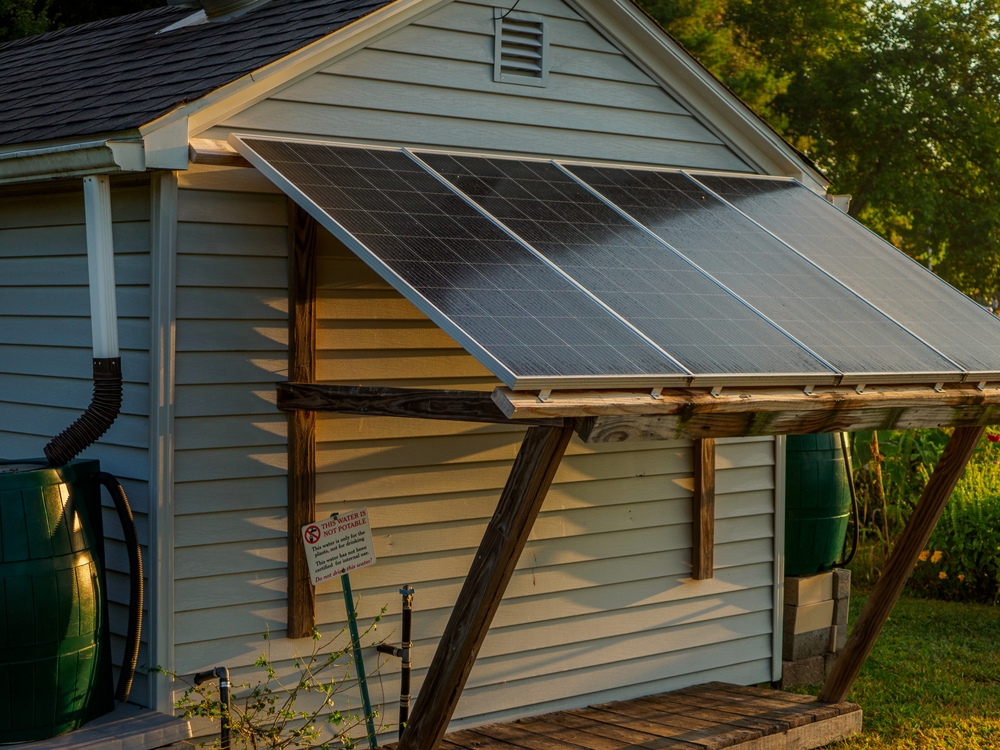
To control fermentation temperatures using solar power, you can utilize solar-powered refrigeration units or employ passive solar techniques such as earth-shelt
Fermenting wild plants can raise ethical considerations due to the potential for misidentification of poisonous species, environmental impact, and cultural appr
Beneficial bacteria strains for fermentation include Lactobacillus plantarum, Lactobacillus acidophilus, and Bifidobacterium bifidum, which aid in food preserva
BEST CONDITIONS FOR BREWING KOMBUCHA OFF-GRID: Consistent temperatures between 68-85°F (20-30°C), low light exposure, and a controlled environment with minimal
For off-grid fermentation projects, it's essential to use airtight, food-grade containers that can maintain optimal temperature and humidity levels. Look for co
For newbies, the best off-grid fermentation tools include a simple water bath or a temperature-controlled fermentation vessel, like a thermos or a ceramic crock
High-elevation fermentation requires careful consideration of temperature fluctuations, atmospheric pressure, and limited access to resources.
To ferment in limited space, prioritize vertical storage, use fermentation vessels with narrow necks to reduce space usage, and choose compact fermentation tech
For learning fermentation techniques, consider online courses, workshops, and books that focus on the specific area of interest, such as sauerkraut, kefir, or c
The best time for starting off-grid fermentation is typically in the spring or early summer, when temperatures are mild and consistent, allowing for optimal mic
Short answer: The best times for preparing fermented foods are during the cooler months of the year, typically October to April, when temperatures range from 40
Serve fermented foods in outdoor settings by using insulated containers, coolers, or thermoses to maintain a consistent temperature below 40°F (4°C) to slow dow
Fermentation can contribute significantly to off-grid self-sufficiency by allowing for the production and preservation of nutritious food, water, and energy usi
Fermentation can significantly enhance the nutritional value of food by increasing the bioavailability of nutrients and creating beneficial compounds.
Fermentation can significantly contribute to food security off-grid by allowing people to preserve their harvests for longer periods and reduce reliance on exte
Fermentation is a nutrient-preserving method that can enhance the bioavailability of essential vitamins and minerals in food. It involves the action of microorg
Fermented foods can be a reliable and nutritious component of off-grid diets, providing essential vitamins, minerals, and probiotics without relying on external
Fermented foods can potentially infuse toxins if mishandled, such as when bacteria like Clostridium botulinum is allowed to grow, leading to botulism. This ofte
You can add herbs and spices to fermented foods to enhance flavor and provide additional health benefits, but be mindful of their potency and compatibility with
Combining fermentation with dehydration techniques is possible and can help extend the shelf life of fermented foods, but it requires careful consideration of t
Yes, you can repurpose old jars for fermenting sauerkraut, but ensure they are clean and sterilized properly to prevent contamination. Glass jars with tight-fit
Kimchi can be stored outside without refrigeration for a short period, but it requires specific conditions and handling to prevent spoilage.
Yes, you can successfully ferment sauerkraut without refrigeration using proper techniques and equipment.
Yes, you can take fermented foods on camping trips, but proper storage and handling are crucial to maintain their quality and safety.
Yes, you can use dried herbs for flavoring in ferments, but use them in moderation due to their concentrated flavor and potential to overpower the other ingredi
Yes, you can use natural springs for fermentation water, but it's crucial to ensure the water is free from contamination and has the right pH balance to facilit
Tap water can be used for fermenting vegetables, but it's crucial to understand its effects on the fermentation process. Chlorine in tap water can inhibit benef
Wild fruits can be fermented successfully off-grid with proper planning and equipment.
Wild Herbs Can Be Used in Fermentation Processes, Adding Unique Flavors and Health Benefits to Fermented Foods and Drinks.
Yes, you can brew kombucha with herbal teas off-grid, using a variety of herbal bases such as peppermint, ginger, and rosehip, which can be steeped in hot water
Yes, you can mix different vegetables when making sauerkraut, but it's essential to choose compatible vegetables with similar acidity levels and texture to ensu
Yes, store-bought fermented foods can be used as starters, but their effectiveness may vary due to factors like pasteurization, preservatives, and storage condi
To set up a cost-effective fermenting station, repurpose an old refrigerator or cooler, or use a well-insulated container, and install a temperature control sys
Different vegetables can alter fermentation time due to their varying levels of natural sugars, acidity, and moisture content.
Fermented foods do not require complete darkness for storage, but rather a controlled environment that shields them from direct sunlight, which can cause spoila
Fermented foods do not necessarily require special utensils, but it's recommended to use clean, non-reactive tools to avoid contamination and preserve the natur
You need a fermentation weight to keep the sauerkraut submerged under its own juice, preventing contamination and promoting fermentation. This weight can be a p
Covering fermentation containers is generally not necessary, but it can help protect them from dust, debris, and direct sunlight which can affect the fermentati
Off-grid fermented foods typically thrive in environments with a pH range suitable for the specific type of microorganism involved, usually between 4.2 and 5.5,
Humid climates require careful consideration when implementing fermentation processes due to the increased risk of contamination and spoilage.
Successful off-grid fermentation requires a controlled environment, reliable energy, and a well-insulated storage solution. This means ensuring consistent tempe
The expected shelf life of home-fermented foods varies greatly depending on factors such as temperature, storage conditions, and food type. Generally, fermented
Fermented foods like sauerkraut, kimchi, and kefir are staples in off-grid living, providing essential nutrients and shelf life extension. These recipes are sim
Fermentation and food preservation are connected through the process of creating an environment that inhibits the growth of pathogens and spoilage, allowing foo
Glass fermentation jars are the best choice for storing fermented foods due to their non-reactive properties and ability to maintain a sterile environment.
To avoid contamination risks during fermentation, maintain a clean and sanitized environment, use equipment specifically designed for fermentation, and monitor
Altitude affects the fermentation process by reducing oxygen availability, increasing yeast growth rates, and altering the flavor and aroma of the fermented pro
Fermentation changes food texture by breaking down the cellular structure of the ingredients, resulting in a softer, more palatable consistency. This process in
Temperature fluctuation can significantly impact fermentation quality, causing variations in flavor, texture, and overall consistency.
Short answer: Fermented foods can last for several months to a year or more in a cool storage, depending on factors such as the type of food, temperature, humid
Fermented foods typically take anywhere from 3 to 14 days to reach the desired level of tanginess, depending on factors such as the type of food, temperature, a
Check on fermenting foods every 1-2 days for the first week, then gradually reduce checks to 1-2 times a week after the initial fermentation period.
Dispose of failed fermentation projects by burying them in a designated area, at least 12 inches deep, to prevent odors and attract pests. This method is safe f
Thinner vegetables like leafy greens and herbs can be adapted for fermentation by adjusting the brine strength and fermentation time to accommodate their higher
Adjust fermentation time based on the specific ingredient's characteristics, such as pH level, temperature, and desired level of fermentation. A general rule is
To create a fermentation schedule for beginners, start by planning out which types of fermented foods you want to make and how often you want to make them. Cons
To ensure your ferments remain air-tight, use a combination of properly sealed containers, vacuum sealers, and pressure testing. This approach prevents contamin
Identify safe fermentation ingredients off-grid by choosing uncontaminated, pure water sources, sanitizing equipment and hands, and using organic or locally sou
Fermented foods are ready to eat when they have developed a distinct flavor, texture, and aroma, and have reached the desired level of fermentation, which can b
Incorporating fermented foods into daily meals quickly requires strategic planning, a variety of recipes, and proper storage. Begin by identifying a few key fer