02 — Pillar · Off-Grid
Expert guides and Q&A about offgrid meat smoking curing.
Q&A in this topic
60 total
Yes, there are specific plants that repel insects, bacteria, and other organisms that cause meat spoilage, making them useful for preserving smoked and cured me
To avoid over-salting in meat curing, monitor salt levels carefully during the curing process, and use a hydrometer or refractometer to check the brine's salini
A basic DIY smokehouse for beginners can be built using a simple design with a chimney-style ventilation system, a fuel bed for a fire, and a meat-holding area.
Building a simple smokehouse requires basic carpentry skills and a few essential materials, allowing you to preserve meats safely and efficiently. A well-design
Cleaning your smokehouse is crucial for maintaining a consistent temperature, preventing contamination, and ensuring the quality of your cured meats. Regular cl
Combining wood types in smoking is an art that requires a balance of different flavor profiles to achieve a unique and delicious taste. The ideal combination de
To handle and prepare raw meat safely, wash your hands thoroughly before and after handling, keep raw meat at 40°F (4°C) or below, and prevent cross-contaminati
Maintaining temperature in a smokehouse is crucial for safe food production, as it prevents bacterial growth and ensures consistent flavor. Aim for a temperatur
The best time for curing meat in hot weather is at night or early morning, when temperatures are lower and humidity is higher. This reduces the risk of bacteria
SMOKING MEAT IS BEST DONE DURING MILD WEATHER, WHEN TEMPERATURES ARE BETWEEN 40°F AND 80°F, AS THIS RANGE ALLOWS FOR OPTIMAL SMOKE PENETRATION AND PREVENTS OVER
The best wood types for smoking meat off-grid include hickory, oak, and mesquite, which impart rich flavors and aromas. These hardwoods produce minimal smoke, a
Yes, cured meat can be frozen for later smoking, but it's essential to follow proper freezing and thawing techniques to prevent spoilage and maintain quality.
Yes, you can build a smokehouse from earthbag construction, utilizing natural and sustainable materials while creating a temperature-controlled environment for
Yes, you can cold smoke fish off-grid, but it requires careful planning and execution to ensure food safety and optimal flavor.
Yes, you can make a smokehouse from repurposed materials, such as old pallets, reclaimed wood, and repurposed metal. With some creativity and resourcefulness, y
You can make a functional smokehouse with limited resources, prioritizing essential elements like a temperature-controlled environment, adequate ventilation, an
Yes, you can safely cure meat without refrigeration using traditional methods that involve salt, sugar, and other natural ingredients.
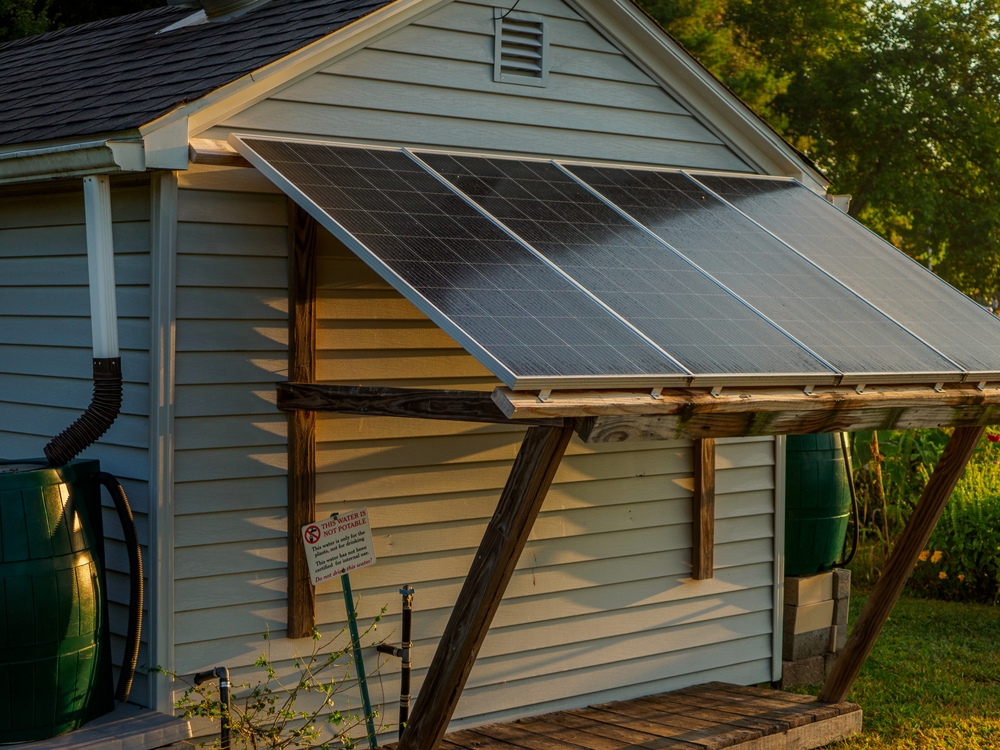
Yes, you can use a solar-powered smoker off-grid, but it requires careful planning to ensure consistent temperatures and humidity levels.
An electric smoker can be used off-grid with proper planning and equipment. You'll need a reliable power source, such as batteries and a solar panel or a genera
Applewood is a suitable option for smoking sausages, providing a rich, fruity flavor. However, other types of wood like hickory or mesquite can also be used. Ap
Yes, you can use herbs for flavoring cured meat, but it's essential to choose the right herbs and use them correctly to avoid contamination and ensure food safe
Yes, you can use your smokehouse year-round in different climates, but it requires proper insulation and temperature control.
Pine wood can be used for smoking meat, but it's essential to use the right type of pine. White pine and Eastern white pine are good options, while other types
Yes, you can use solar power for a smokehouse setup.
Vinegar can be used in meat curing for flavor, but it's essential to use it in moderation and with the right type of vinegar.
Suitable aromatic woods for off-grid smoking include cedar, mesquite, and apple wood, which impart distinct flavors to meats. Each type of wood has a unique bur
Common indicators of undercooked smoked meat include a soft or squishy texture, a pale color, and a lack of firmness when pressed with a finger or the tip of a
Common mistakes in home meat smoking include inadequate temperature control, insufficient airflow, and over- or under-curing, leading to poor flavor and texture
Curing meat with sugar is better than using salt alone because sugar prevents the growth of unwanted bacteria and promotes the development of beneficial lactic
Venison curing requires special considerations due to its lean nature and potential for high bacterial growth.
Yes, certain meats require different smoking techniques to achieve optimal flavor and texture.
You don't necessarily need a smokehouse for cold smoking fish, but a controlled environment can produce more consistent results. A cold smoke setup can be simpl
Different techniques are required for various meats to ensure proper smoking, curing, and preservation. This is due to differences in fat content, density, and
Aged meat can be beneficial for smoking, but it's not always necessary. A minimum of 7-10 days of dry aging can improve the tenderness and flavor of smoked meat
Yes, you need to monitor humidity while curing meat, as it significantly affects the final product's quality, texture, and safety. Improper humidity control can
Soaking wood chips before smoking is not strictly necessary, but it can be beneficial in terms of flavor and moisture control. A 30-minute to 1-hour soak in col
Trimming fat before smoking meat is generally recommended to achieve better results. It's crucial to remove excess fat to promote even cooking and prevent flare
Smoked meat can be safely stored at room temperature for a short period without refrigeration, but it's best to keep it below 40°F (4°C) to prevent spoilage and
Effective Methods to Prevent Botulism in Cured Meat involve proper handling, storage, and processing techniques. This includes maintaining a pH level below 4.6
In the event of a smokehouse fire, turn off the heat source, evacuate the area, and call the fire department. Never use water to extinguish a grease fire, as it
Essential safety gear for curing and smoking meat includes a meat thermometer, a smoke detector, a fire extinguisher, heat-resistant gloves, and a fireproof apr
For off-grid meat smoking, essential tools include a reliable heat source, a temperature-controlled smoker, and a hygrothermograph to monitor temperature and hu
Store smoked meat in airtight containers, such as glass jars or vacuum-sealed bags, in a cool, dark place, typically between 32°F and 50°F (0°C to 10°C), to mai
Smoke density impacts flavor in meat by varying the concentration of volatile compounds that bind to the food, particularly proteins and fats. A higher smoke de
Temperature affects the curing process by promoting the growth of beneficial microorganisms, breaking down proteins, and controlling the rate of moisture loss.
Cured meat can last for several months to a year or more when stored properly, depending on the cure, temperature, and humidity levels.
Smoked meats can be safely stored in the freezer for 3 to 12 months, depending on the type of meat, storage conditions, and personal preference. For optimal fla
Let meat rest for 15-20 minutes after smoking before slicing, allowing juices to redistribute and the meat to cool down slightly.
Curing time for meat before smoking typically ranges from 7 to 14 days, depending on the type of meat, its thickness, and the curing method used. The goal is to
For dry curing and making jerky, use 1-2% of total meat weight in salt, which translates to 1-2 ounces of salt per 5 pounds of meat.
A good smoke ring in meat is achieved through precise temperature control and the use of smoke, typically generated from wood or plant material. A well-formed s
To achieve consistent flavor in repeated smoking, maintain a precise temperature control, use a consistent wood source, and adjust moisture levels to prevent ov
To avoid cross-contamination when smoking meat, separate raw and cooked meats, use dedicated utensils and equipment, and maintain a clean workspace with proper
Overcooking can be avoided when smoking meat by maintaining a consistent low temperature, using a thermometer, and checking the internal temperature with a meat
Balancing temperature and humidity in a smokehouse requires precise control to achieve the perfect cure. This involves maintaining a stable temperature between
Building a smokehouse without power requires careful planning and attention to detail. A well-designed smokehouse can provide years of reliable service for pres
Choose a location for your smokehouse that is well-ventilated, protected from the elements, and accessible for loading and unloading wood and meat. Consider pro
Smokiness levels in meat can be controlled by adjusting the type of wood used for smoking, the temperature and duration of the smoking process, and the amount o
Incorporating local flavors into cured meats is crucial for a more authentic taste experience, and it can be achieved by using locally sourced ingredients, unde
Preventing insect infestation in a smokehouse requires regular maintenance, proper ventilation, and insect-repelling measures.