02 — Pillar · Off-Grid
Expert guides and Q&A about pest control cabin.
Q&A in this topic
60 total
Yes, there are effective traps for moles in cabin gardens, including physical barriers, repellents, and lethal traps. These can be tailored to the specific need
Yes, there are humane ways to deal with pest squirrels, including deterrents, repellents, and exclusion methods that prevent re-infestation.
Yes, there are seasonal patterns for bear activity, with most active periods occurring during spring and early fall when they're foraging for food.
Trapping regulations vary by state, county, or even municipality, so it's essential to check with local wildlife agencies or animal control services to ensure c
Bear-proofing a cabin requires a combination of physical barriers, electronic deterrents, and smart storage practices to effectively protect against bears and o
For sealing cabin gaps against pests, use materials like steel wool, expanding foam, and 1/4-inch hardware cloth. These materials are effective, easy to install
To seal gaps against squirrels, use 1/4 inch hardware cloth, expanding foam, and 1/8 inch metal mesh. These materials are effective for blocking entry points. R
To exclude pests from a cabin, seal all entry points, install a proper roof overhang, and use materials resistant to insect damage and moisture. Focus on the mo
To compost near your cabin, choose a location with adequate sunlight, airflow, and distance from your cabin to avoid pests and odors. Consider a 3-4 foot high e
When using traps in cabins, ensure proper ventilation to prevent the buildup of gases or odors, and follow the manufacturer's instructions for the specific trap
Securing trash properly is crucial to prevent attracting bears and other wildlife to your pest control cabin. Use bear-resistant containers or hang trash bags f
After a rodent infestation, thoroughly clean and disinfect all areas with a 1:10 bleach solution, paying special attention to food storage and preparation areas
SHORTHAND_ANSWER: The best times for pest-proofing your cabin are typically spring and fall, when the weather is mild and pests are most active as they transiti
To effectively set traps for squirrels in autumn, it's best to do so during the early morning hours, typically between 8 and 10 am, and again in the late aftern
For catching squirrels in the attic, the best traps are humane, box-style traps baited with peanut butter or hazelnuts, which are effective for 60% to 80% of sq
Dispose of rodent carcasses safely by burying them 2-3 feet deep in a location at least 100 feet away from water sources, or by incinerating them in a controlle
A well-built cabin may not be entirely bear-proof, but a cabin designed and constructed with bear defense in mind can significantly reduce the risk of a bear br
A cabin's location can significantly influence pest activity levels. Proximity to water sources, food sources, and natural habitats can attract various pests. C
Cabin design can significantly reduce rodent infestations by incorporating features that prevent entry and minimize attractants.
Cabin lighting can deter pests like bears and raccoons by utilizing specific light frequencies and patterns that are unpleasant for them. This type of lighting
Cedar chips can be used to help deter mice in cabins, but their effectiveness may vary depending on the concentration and quality of the cedar material.
Essential oils can repel mice in cabins, but their effectiveness may vary depending on the type of oil and concentration used.
Yes, humans can be allergic to cabin pests like dust mites, which trigger allergic reactions such as sneezing, congestion, and skin irritation.
Yes, steel wool can be an effective deterrent against mice in cabin settings, particularly when used in conjunction with other methods.
A tent is not an effective deterrent to keep bears away from your cabin. Instead, consider using bear-resistant containers or electric fencing around the cabin
Yes, you can use essential oils as a natural alternative to chemical repellents for pest control in your cabin.
Vinegar can be used as a natural mouse repellent, but it's not a foolproof solution and should be combined with other deterrents for optimal results.
Noise deterrents can be effective in keeping bears away from cabins by creating an unpleasant or intimidating environment that discourages them from approaching
Squirrels can cause damage to solar panels by chewing on the connections, wires, and even the panels themselves, potentially leading to reduced efficiency, syst
Squirrels can chew through foam insulation, particularly soft or low-density types.
Ultrasonic devices can deter squirrels from cabins, but with varying effectiveness. These devices emit high-frequency sounds inaudible to humans but unpleasant
Common signs of mouse infestations in cabins include droppings, gnaw marks, and nesting material scattered throughout the cabin, particularly in areas with food
Animal-proof feeders can be helpful, but they're not a foolproof solution to keep bears away. They can reduce the likelihood of encounters, but it's essential t
Bears can remember food sources from previous visits, especially if they are frequent enough and consistently rewarding. This is due to the strong connection be
Certain plants repel rodents around cabins, providing a natural and chemical-free method of pest control. These plants can be used as a standalone solution or i
Yes, different pest control methods can affect wildlife negatively, particularly those involving broad-spectrum pesticides, trapping, or habitat modification. T
Electronic pest control devices can be effective, but their performance depends on the type of pest, device design, and surrounding environment. They often work
Mothballs are not an effective long-term solution to deter rodents in cabins.
Mothballs have no proven efficacy in deterring squirrels from homes, but they can be used to repel other pests. For squirrel issues, more effective methods like
Natural repellents can be an effective way to deter cabin pests, but their success depends on the type of pest and the repellent used.
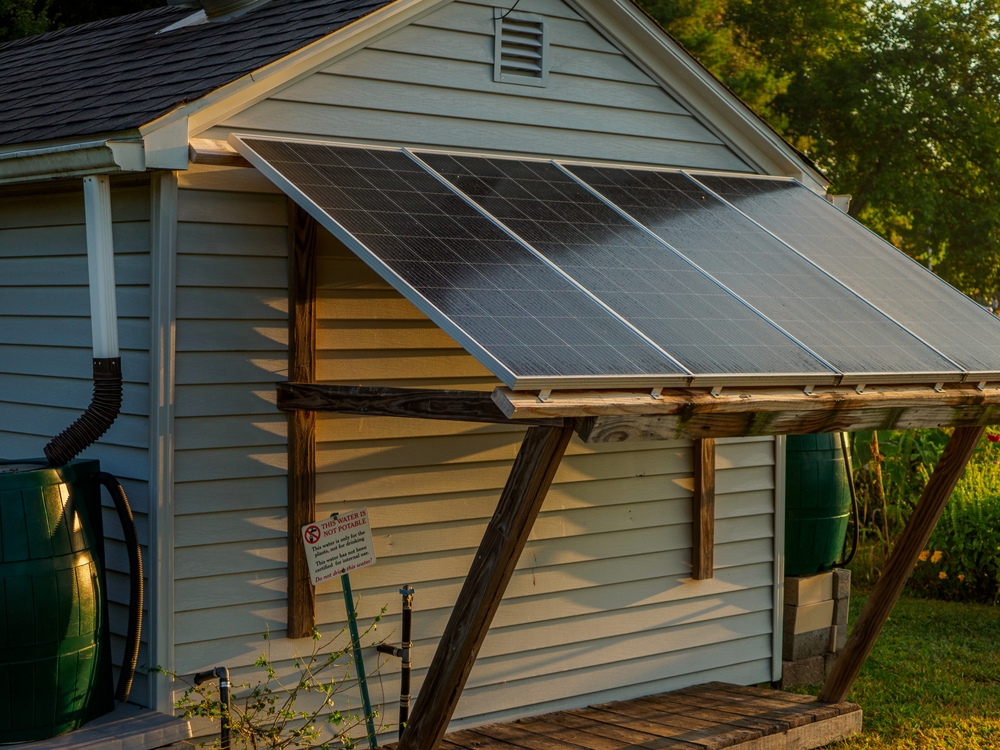
Solar panels can attract pests like squirrels due to the heat and shelter they provide.
Weatherproofing plays a significant role in enhancing pest control efficiency, as moisture and humidity can attract pests and compromise the effectiveness of pe
To detect mouse activity in cabins, consider using electronic detection devices, visual inspections, and non-toxic baiting techniques. These methods can help id
Ultrasonic pest repellents can be moderately effective in cabins, especially against smaller pests like mice, rats, and insects, if used correctly with optimal
Check mouse traps every 2-3 days to ensure effectiveness and prevent animal suffering. More frequent checks may be necessary in areas with high mouse activity.
Inspect your cabin for pests every 3-4 months, especially during peak pest seasons, to prevent infestations and damage.
To block squirrel entry points in your roof, inspect your home for common entry points like vents, chimneys, and gaps around pipes, and seal them with hardware
Inspect cabin walls, floors, and ceilings for signs of gnaw marks, droppings, or nesting materials like shredded paper or insulation. Use a flashlight to check
To create an effective bear-proof compost system, use a secure and airtight container, bury it in the ground, and add a 6-inch layer of rock or gravel around th
Mouse droppings are typically 1/4 inch long and pointed at one end, while rat droppings are 1/2 inch long and blunt at both ends. Rat droppings are also often l
When a bear is sighted near a cabin, stay calm, maintain a safe distance, and slowly back away while speaking in a firm voice, without making eye contact. If th
To identify signs of a rodent problem in the spring, look for gnaw marks on wood, insulation, and wiring, droppings in hidden areas, and sounds of scurrying at
To inspect outdoor areas for signs of pest infestations, visually scan for damaged vegetation, check for insect droppings, and look for rodent tracks or burrows
To keep bird feeders from attracting bears, use bear-resistant feeders, place them at least 10 feet away from structures, and clean up spills immediately.
Minimize pest attractants around your cabin by removing accessible food sources, eliminating standing water, and using natural deterrents such as citronella can
Seal all openings around eaves and install a wasp-repellent mesh or screen to prevent wasps from nesting in your cabin.
To prevent wasps from nesting on your porch, seal any holes or gaps, eliminate standing water, and use physical barriers such as screen doors or window screens.
To properly seal food and deter pests at cabins, store food in airtight containers, keep it in sealed plastic bags, and place all food items in a rodent-proof c
Relocate trapped squirrels at night, under cover of darkness, when they are least active, and release them at least 1 mile away from the original location to pr
To use snares responsibly in wilderness areas, set them in areas where wildlife is present, but not in areas where they may harm humans, pets, or other non-targ