02 — Pillar · Off-Grid
Expert guides and Q&A about raised bed gardening.
Q&A in this topic
60 total
Using composts in off-grid soil mix can improve soil structure, increase water retention, and support a diverse range of microorganisms, ultimately leading to h
Plastic containers are not a recommended choice for raised bed gardening due to their potential to leach chemicals into the soil and harm plants.
Off-grid gardening regulations vary by region and jurisdiction, but generally, local building codes, zoning laws, and water rights govern aspects like irrigatio
Risks with using reclaimed wood for beds include potential chemical contamination from old finishes or preservatives, pest infestation, and uneven structural in
Yes, specific plant spacing guidelines are crucial for intensive gardening to optimize space, promote healthy growth, and increase yields.
Cedar's natural rot resistance and aromatic oils make it an ideal choice for raised bed construction, reducing the need for pesticides and extending the life of
Legumes and grasses are ideal cover crops for enhancing off-grid soil quality due to their nitrogen-fixing capabilities and deep root systems, which improve soi
To manage pests in off-grid gardens, prioritize prevention through crop rotation, companion planting, and integrated pest management techniques. Use physical ba
For off-grid gardens, the best season extension methods include cold frames, hoop houses, and row covers, which provide protection from frost and extreme weathe
Transplant seedlings from indoor to raised beds when they have 2-3 sets of leaves and the soil temperature reaches 55°F to 65°F (13°C to 18°C). Wait for a cloud
For early spring planting in raised beds, consider vegetables like spinach, lettuce, radishes, peas, and carrots, which thrive in cooler temperatures and can to
For intensive planting in raised beds, the best vegetables are those that mature quickly, have compact growth habits, and can thrive in well-draining, fertile s
Insulate raised beds for winter by using a thick layer of straw or wood chips, and consider covering with a breathable tarp or burlap to retain heat and protect
To protect raised beds from pests, use a combination of physical barriers, natural repellents, and organic pest control methods such as companion planting and n
Drought-tolerant plants can thrive in raised beds off-grid with proper planning, soil mix, and watering techniques.
Yes, you can build raised beds using straw bales, but they require careful planning and maintenance to ensure stability and optimal soil conditions.
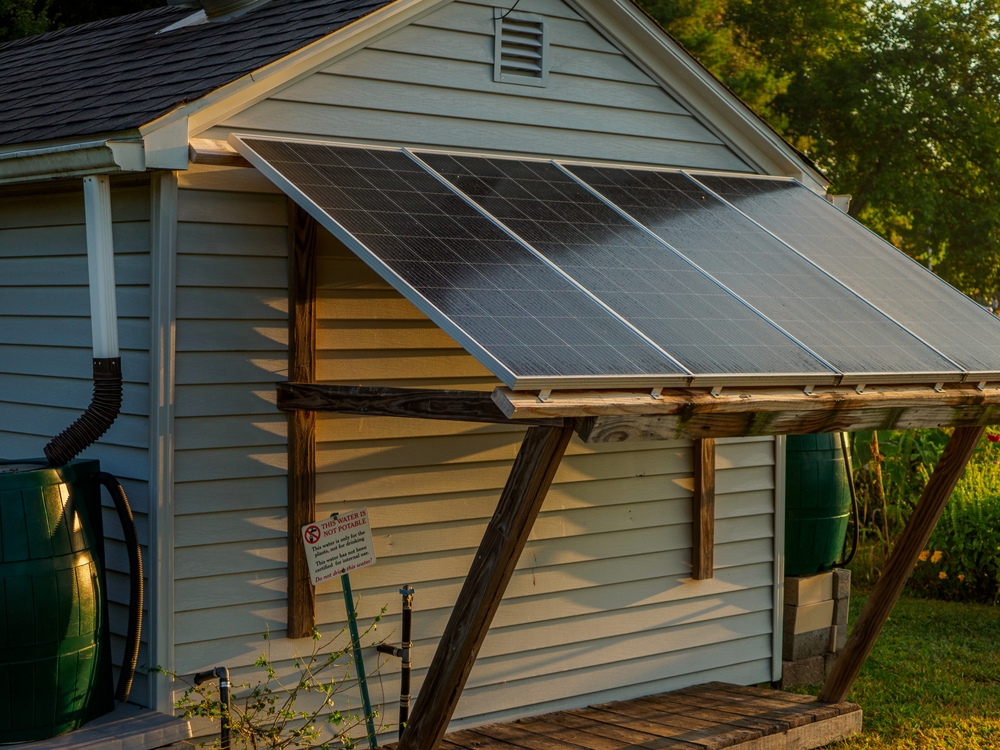
You can create a rainwater harvesting system for your garden to reduce water waste and dependence on municipal supplies. The system typically involves installin
Yes, you can grow fruit trees in raised beds off-grid with proper planning, soil mix, and maintenance.
Yes, you can grow microgreens successfully in raised beds, provided you choose the right variety, maintain optimal growing conditions, and implement proper care
YES, you can interplant different crops in your raised beds, but it requires careful planning to ensure success.
Yes, you can plant perennials in a raised bed off-grid, as long as the perennials are selected for the local climate and conditions, and the raised bed is built
Yes, you can successfully grow herbs in off-grid raised beds with proper planning, soil preparation, and watering techniques.
You can use a solar-powered pump for off-grid watering, providing a reliable and renewable source of water for your garden.
A tarp can be used to retain heat in raised beds, but it should be used with caution and consideration of the tarp's material and the bed's design.
Yes, you can use compostable materials in raised bed soil mix, but it's crucial to balance the organic matter with inorganic components for optimal drainage and
Yes, you can use greywater for off-grid raised bed irrigation, provided you follow proper treatment and disposal guidelines to avoid contaminating the soil and
Yes, kitchen scraps can be used in off-grid composting, but they need to be managed properly to avoid odors and pests.
Landscape fabric can be used under raised beds, but it's essential to choose the right type and apply it correctly to prevent soil erosion and ensure proper dra
Yes, old tires can be repurposed for raised bed gardening, providing a unique and space-efficient way to grow vegetables and flowers.
Yes, you can use rainwater for watering raised beds, but it's essential to ensure the water is free from contaminants and properly stored.
Solar-powered fans can be effective in off-grid greenhouses, providing a reliable and renewable source of cooling that can extend the growing season, improve ai
Yes, solar-powered irrigation systems can be used for watering raised bed gardens, offering a reliable and efficient method for meeting the needs of intensive p
Olives can be grown successfully off-grid in raised beds with careful planning and attention to their specific needs.
Rain Garden Techniques Can Work in Off-Grid Raised Beds with careful planning and implementation, allowing for efficient water collection and usage.
Solar Power Can Extend the Growing Season for Off-Grid Gardens by providing supplemental heat and light, allowing for earlier and later planting, and enabling y
Vertical Gardening Techniques Work in Raised Beds, but Require Additional Support and Planning.
Yes, it's possible to grow vegetables off-grid year-round using techniques such as raised bed gardening, soil mix optimization, and season extension methods.
Different crops require different soil mixes based on their specific needs for nutrients, drainage, and growth habits.
Rotating crops in off-grid raised beds is beneficial for maintaining soil health, preventing pests and diseases, and increasing crop yields. Regular crop rotati
Raised beds do require more frequent watering off-grid, as the soil in these gardens dries out faster than in traditional in-ground gardens. This is due to the
Shade plants can grow well in raised beds with proper care, but their growth may be limited by reduced sunlight.
Mulching in raised beds can help retain moisture, suppress weeds, and regulate soil temperature, making it an essential practice for off-grid gardening.
Soil temperature affects plant growth in raised beds, with significant impact on seed germination, root development, and overall plant health.
Using a greenhouse can significantly benefit off-grid gardening by extending the growing season, improving crop yields, and minimizing water consumption.
In raised beds, you can expect 3-4 growing seasons, depending on the climate, soil mix, and maintenance. Cooler seasons allow for more flexibility and can exten
RAISED BEDS NEED 4-6 HOURS OF DIRECT SUNLIGHT PER DAY TO SUPPORT INTENSIVE PLANTING AND MAXIMIZE YIELDS.
A 4x4 raised bed typically fits 16-24 plants, depending on spacing and crop selection.
Fertilize off-grid raised beds every 2-3 weeks during the growing season with a balanced, water-soluble fertilizer. This schedule helps maintain soil health and
To attract pollinators to off-grid raised beds, include a variety of flowers that provide nectar and pollen, such as sunflowers and zinnias, and maintain a dive
Choose a location for raised beds that receives at least 6 hours of direct sunlight, has good air circulation, and is level to ensure even water distribution an
Create a microclimate for off-grid vegetables by using raised beds, choosing a suitable soil mix, and employing techniques to manage temperature and moisture. T
To ensure proper drainage in off-grid raised beds, create a 2-3 inch deep layer of coarse material like perlite or pumice at the bottom, followed by a 6-8 inch
Improving soil structure in raised beds involves adding organic matter, such as compost, and perlite or vermiculite to increase drainage and aeration. This help
Incorporating native plants in raised bed gardening is a great way to create a low-maintenance and biodiverse gardening system, as native plants are adapted to
Water raised beds frequently, ideally once a day during dry seasons, to maintain moisture levels and prevent soil compaction. Mulch and cover crops can help ret
To ensure your raised beds are level, use a spirit level or a long, straight board to check the bed's surface. You can also use wooden shims or gravel to adjust
To manage soil fertility in off-grid conditions, it's essential to implement sustainable practices such as crop rotation, composting, and using natural fertiliz
Measure nutrient levels in off-grid soil using a soil test kit or send a sample to a lab for analysis. Commonly tested nutrients include pH, nitrogen (N), phosp
To optimize space in a small raised bed garden, use a square or rectangular bed design with a narrow bed width of 3-4 feet and a long bed length of 6-8 feet, an
Prevent soil compaction in raised beds by adding organic matter, using lightweight gardening tools, and avoiding overwatering.