02 — Pillar · Off-Grid
Expert guides and Q&A about raising pigs homestead.
Q&A in this topic
60 total
Pasture pigs are generally healthier than conventional pigs due to their access to fresh air, varied diet, and exercise. They tend to have lower rates of diseas
Yes, there are health risks associated with butchering pigs yourself, including the potential for trichinosis from undercooked meat, exposure to bloodborne path
Heritage pigs require careful consideration and specialized care due to their unique characteristics and needs. They are often more sensitive to climate and dis
In the United States, laws regulating pig raising in urban areas vary by state and locality, but many cities have ordinances governing the number, size, and typ
Yes, there are specific regulations for butchering pigs off-grid, varying by state and local jurisdiction. Typically, on-farm slaughter is allowed for personal
To butcher a pig safely and effectively, you will need basic tools such as a sharp knife, a boning knife, a meat saw, gloves, and a sharpener. A scale is also n
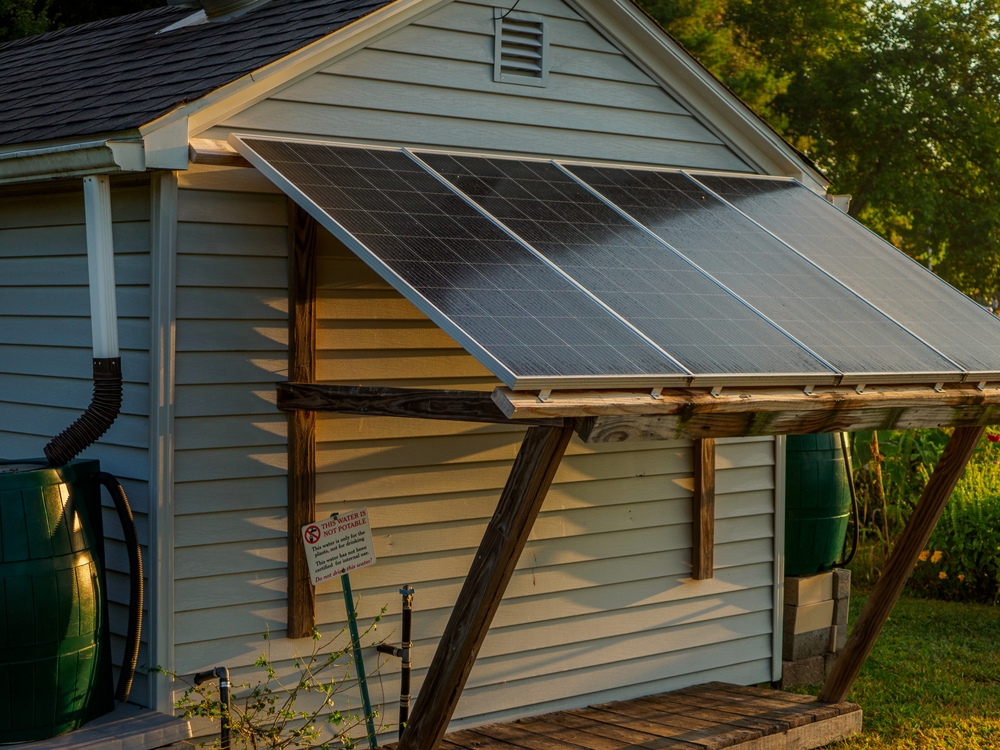
SHOERT_ANSWER: A solar water system for pigs provides a clean, efficient, and cost-effective way to supply fresh water, reducing reliance on electricity and pro
For small homesteads, the best breeds of pigs are often those that are hardy, efficient, and easy to manage, such as the Tamworth, Duroc, and Hampshire breeds.
During winter, prioritize feeding pasture pigs high-calorie, nutrient-dense foods to maintain body condition and support immune function. Offer a combination of
A good feeding schedule for pregnant sows should provide 1/4 to 1/3 pound of supplemental feed per 100 pounds of body weight per day, divided into 2-3 meals, an
Short answer: To cool pigs in extreme heat, provide adequate shade, maintain a clean and dry living area, and ensure access to cool water. Implement a sprinkler
A well-designed pig shelter provides protection from the elements, predators, and extreme temperatures, while also promoting the health and well-being of your p
Handle pigs gently, securely, and humanely during transport to minimize stress and prevent injury. Keep pigs calm by providing familiar surroundings and avoidin
Rotate pastures every 1-4 weeks to maintain optimal forage quality and prevent overgrazing, which can lead to soil erosion and reduced soil fertility. This rota
To socialize pigs on a homestead, start them together at weaning, rotate and mix groups regularly, and spend time with them daily to build trust and confidence.
For keeping pigs contained, the best types of fencing are sturdy wooden or metal posts with high-tensile wire, electric netting, or woven wire fencing at least
Introducing new breeds to your herd requires careful planning, gradual integration, and monitoring for stress and aggression. A slow introduction process over s
Pasture pigs can survive harsh winter conditions with proper management and planning, including adequate shelter, nutrition, and care.
Pigs can be pastured alongside other livestock, but it's essential to consider the impact on the other animals and the pig's health. A well-designed rotation sy
Pigs can be raised efficiently in cold climates with proper planning and management. They have a natural tolerance for cold temperatures, but their growth and o
Pigs can be raised on a completely vegan diet, but it requires careful planning to ensure their nutritional needs are met.
Pigs can be trained to use a specific area for waste through consistent guidance, positive reinforcement, and strategic placement of the designated area.
Pigs can thrive on foraged foods alone, but it's crucial to provide a diverse and nutrient-rich diet with adequate protein sources. A well-planned foraging syst
Small homesteaders can raise pigs without fencing, but it requires careful planning, attention to pasture management, and consideration of pig breed and behavio
Miniature pigs can be raised for food, providing a unique and sustainable option for small-scale livestock production.
Yes, you can raise pigs in a small backyard with proper planning and management.
Raising pigs on a completely grass-based diet is possible and can be beneficial for the animal's health and the environment. This approach requires careful plan
Yes, you can raise pigs on a mixed diet with grains, but it's essential to balance their protein sources and provide adequate amounts of fiber and other nutrien
Raising pigs sustainably off-grid is a viable option for small homesteads, providing an opportunity for self-sufficiency and a reliable source of fresh meat.
Raising pigs with kids on a homestead can be a rewarding and educational experience, teaching children about responsibility, biology, and sustainability.
Yes, it is possible to raise pigs without any grain feed, by providing them with a diverse and nutrient-rich diet that includes forages such as grasses, legumes
Natural remedies can be used to treat common pig ailments, offering a holistic approach to animal health and reducing reliance on antibiotics. Effective remedie
Solar power can be used for a pig watering system, and it's a great option for off-grid homesteads.
Solar power can be used to operate pig fencing, but it requires careful consideration of system size, battery bank, and inverter selection to ensure adequate po
Butchering pigs on a small homestead can be challenging due to limited space, equipment, and experience. It requires careful planning, precise execution, and at
Raising pigs on a small homestead can be a cost-effective alternative to buying meat, with a potential savings of up to $3 per pound of meat, especially when co
Pigs require access to shade to prevent heat stress and mortality, especially in temperatures above 75°F (24°C).
Pigs are capable of self-sufficiency and do not necessarily require supplements in their diet when raised on pasture. A well-planned pasture-based system can pr
Essential Vitamins And Minerals For Healthy Pig Growth: Pigs require a balanced diet to ensure optimal growth and health. A well-formulated feed or pasture-base
Feeding pigs leftovers can be safe if done properly, but it may not be the most nutritious option for them. Pigs are omnivores, so they can eat a variety of foo
Growing pigs require a balanced diet of high-quality feed, with a recommended feeding schedule of 2-3% of their body weight in dry feed per day, divided into 2-
Seasons Affect Pig Farming Practices by impacting temperature, feed availability, and animal behavior, requiring farmers to adjust their strategies for feeding,
Pigs typically reach market weight between 6-12 months, depending on breed, genetics, and feeding practices. The average growth rate is 2-4 pounds per week. Mar
The cost to feed a pig until butchering can range from $50 to $200, depending on breed, size, and feed quality. A small to medium-sized pig, around 200-250 poun
Pigs need about 10-15 square feet of space per pig for rooting, depending on the breed and purpose of use. This space allows them to move around, dig, and forag
ROTATE PASTURES EVERY 7-10 DAYS FOR OPTIMAL PIG HEALTH AND PRODUCTIVITY.
Weigh pigs every 4-6 weeks to monitor growth and adjust feeding accordingly. This schedule allows for adjustments to be made before market weight is reached, ty
Assess your pig's growth by checking its weight, body condition score, and growth rate, and adjusting its diet and living conditions accordingly.
When choosing a feed for growing pigs, consider their nutritional needs and the quality of the feed, selecting a balanced ration that includes protein, fiber, a
GOOD AIRFLOW IN PIG HOUSING IS KEY TO COMFORT, HEALTH, AND EFFICIENCY OF PIG PRODUCTION. IT INVOLVES PROPER DESIGN, VENTILATION, AND MAINTENANCE. GOOD AIRFLOW C
Ensure your pig is well-hydrated in hot weather by providing access to clean, cool water at all times, using water troughs or buckets with a weight or float val
Behavioral issues in pigs can be identified by observing changes in appetite, water intake, and social interactions, as well as signs of stress such as excessiv
To identify signs of illness in your pigs, look for changes in appetite, drooling, lethargy, and discharge from the eyes or nose. Monitor their stool quality, w
To keep pigs calm during transportation, provide a familiar environment, use gentle handling, and consider acclimating them to the transport vehicle beforehand,
To make your own pig rations at home, start by formulating a balanced mix of grains, proteins, and minerals, and then mixing them in a specific ratio. This can
During drought conditions, managing pasture pigs requires providing supplemental water and feed while maintaining access to nutritious forage. This can be achie
Managing pig waste on a small homestead involves creating a composting system, such as a pigpen or a fenced area with a manure pit, and regularly turning the wa
To prepare for butchering your own pigs, develop a thorough understanding of humane slaughter techniques, sharpen your knives, and schedule butchering at the op
Prevent pigs from escaping their enclosure by ensuring a sturdy fence that is at least 4 feet tall, buried 12 inches underground, and extends 12 inches below gr
INTRODUCING NEW PIGS SAFELY TO AN EXISTING HERD REQUIRES PLANNING AND CAREFUL EXECUTION TO ENSURE THE WELL-BEING AND PEACEFUL COEXISTENCE OF ALL PIGS. THIS CAN