02 — Pillar · Off-Grid
Expert guides and Q&A about raising rabbits meat.
Q&A in this topic
60 total
Alternatives to commercial rabbit feed include locally sourced hay, grass, and vegetables, as well as a diet rich in fruits and leafy greens. A balanced diet sh
For off-grid meat production, consider breeds like Nigerian Dwarf goats, Boer goats, and heritage breeds of chicken and turkey, which are efficient converters o
Introduce young rabbits to adults in a neutral area, ideally a large enclosure, under close supervision to prevent fighting and stress. Start with visual introd
Rabbit hutch placement should ideally be in a spot that receives partial shade and is protected from harsh weather conditions, predators, and strong winds. The
To tan rabbit pelts, use a two-step process involving fleshing and tanning, with an optional step for additional conditioning. Use a solution of 1 part borax to
Transporting rabbits requires careful consideration to ensure their safety and minimize stress. It is essential to use a well-ventilated, secure, and escape-pro
For beginners in meat production, the best rabbit breeds are the New Zealand White, California White, and Champagne d'Argent, all known for their fast growth ra
For optimal growth, rabbits require a balanced diet rich in protein and fiber, with a mix of hay, grains, and leafy greens. A high-quality commercial rabbit fee
For transporting rabbits to shows or markets, consider using secure, ventilated carriers with adequate space for movement and comfort, such as wooden or plastic
To achieve a high-quality tan on rabbit fur at home, use a gentle, low-temperature process, and avoid harsh chemicals. The ideal method involves soaking, liming
The best time of year for rabbit butchering is typically in the fall and early winter, after the breeding season has ended and the rabbits have reached a suitab
For optimal rabbit meat production, breed rabbits in the spring and summer months, when temperatures are mild and food is plentiful. This allows them to grow an
The ideal time to start raising rabbits for meat is in late winter or early spring, when the weather begins to warm up and the risk of disease is lower. This al
Rabbit pelts can be sold for profit at farmers markets, but it's essential to understand the niche market and the requirements for selling rabbit products.
Rabbits can be raised in urban settings with proper planning and execution.
Rabbits can be raised on a grain-free diet, and it's a good option for several reasons, including reduced competition for food resources with humans, lower risk
Rabbits can be trained to use a litter box, but it requires patience and consistency. With positive reinforcement techniques, rabbits can learn to associate the
Rabbits can co-habit with other animals, but careful selection and integration are crucial to maintaining a harmonious ecosystem.
Rabbits can thrive on foraged food as a supplement to their regular diet, but it is essential to provide a balanced mix of nutrients to ensure their overall hea
Composting rabbit waste is a viable option for creating a natural fertilizer.
Rabbits can be fed a diet of primarily hay for meat production, but this may result in reduced growth rates, lower meat yields, and decreased overall efficiency
INTERBREEDING RABBITS FOR MEAT IS PERMISSIBLE, BUT IT MAY COMPROMISE THE QUALITY AND CHARACTERISTICS OF THE FINAL PRODUCT. IT'S ESSENTIAL TO UNDERSTAND THE BREE
Raising rabbits in a small backyard is feasible with proper planning and management, allowing for efficient use of space and resources.
Raising rabbits near other livestock is possible with proper management and design considerations.
OLD rabbit fur can be repurposed in various craft projects, such as making hats, scarves, or other accessories, providing an eco-friendly alternative to synthet
You can use recycled materials for rabbit hutches, such as old pallets, fencing, and wooden crates, to create a cost-effective and sustainable housing solution
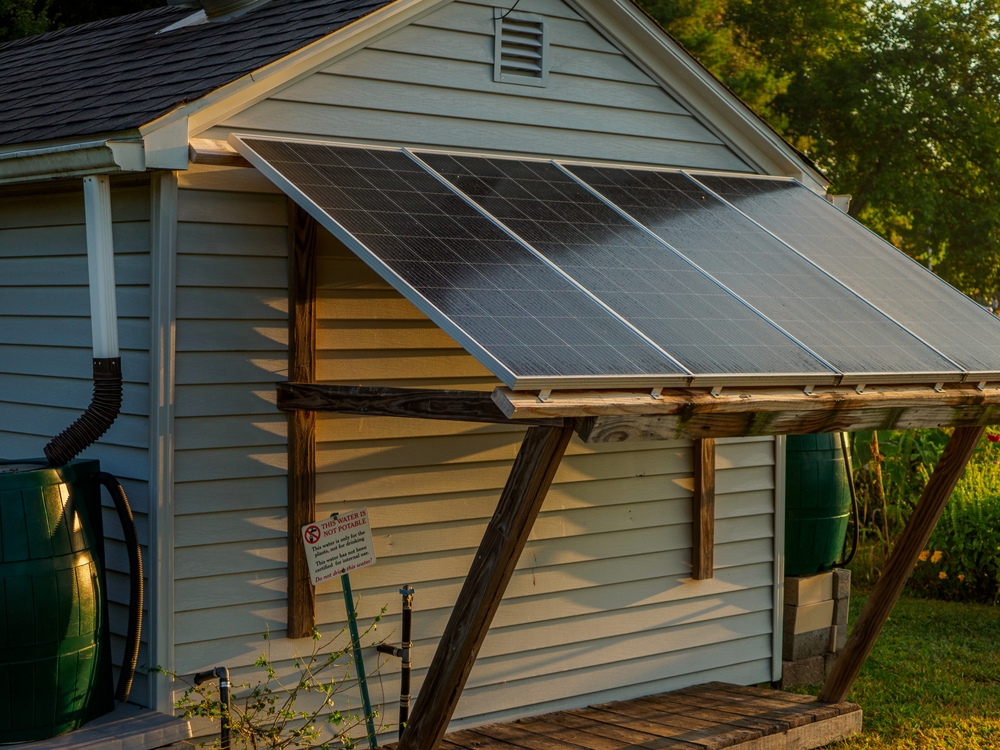
Yes, you can use solar power for rabbit feeding stations, providing a reliable source of power for automatic feeders and other essential equipment.
Rabbits can be prone to various diseases that may not always be immediately apparent. Warning signs include changes in appetite, behavior, and physical conditio
Common hutch design flaws include inadequate ventilation, poorly sloped roofs, and insufficient predator protection, leading to poor air quality, water damage,
Indoor rabbit hutches provide better protection from predators and harsh weather conditions, but may require more frequent cleaning and ventilation to prevent a
Meat rabbits do need exercise outside of the hutch, but the amount and quality can vary depending on factors like breed, age, and climate. Regular exercise can
Rabbits generally do not need supplements for meat production, as a well-balanced diet containing high-quality hay, grains, and vegetables provides all necessar
Rabbits generally prefer soft, dry, and absorbent bedding materials in their hutches, such as straw or wood shavings, to prevent injury and health issues.
Solar Power Benefits Off-Grid Rabbit Farming by providing a reliable and renewable source of energy for powering essential systems such as lighting, water pumpi
In winter, sick rabbits require immediate attention and a safe, warm environment to prevent further complications. Their hutch should be insulated, and the temp
Essential Breeds for Off-Grid Meat Rabbits: These breeds are known for their fast growth rate, high fertility, and meat production: Californian, New Zealand Whi
Essential tools for constructing rabbit hutches include a tape measure, hammer, saw, drill, and wire mesh. A sturdy framework and secure enclosure are crucial f
Feeding meat rabbits during drought conditions involves providing a reliable source of water and a nutritious diet to ensure optimal growth and health.
To feed rabbits during extreme heat, provide plenty of fresh water, shade, and limit feeding to the hottest part of the day to prevent heat stress. High-quality
Feeding rabbits kitchen scraps can be safe if done correctly, but it's essential to follow a balanced and varied diet to prevent nutritional deficiencies and he
Rabbits can thrive on non-commercial diets consisting of high-quality hay, grass, leafy greens, and limited amounts of grains, such as oats. These diets can be
A feeding schedule for growing meat rabbits typically involves providing 16-18% protein pellets, supplemented with high-fiber hay and limited fresh vegetables,
Rabbit meat can pose health risks due to the potential presence of Trichinella parasites, which can cause trichinosis, and other pathogens like E. coli and Salm
Environmental conditions such as temperature, humidity, and daylight exposure significantly affect rabbit behavior, influencing their activity, feeding patterns
Rabbits can survive without food for 1-2 weeks and without water for 2-3 days. Starvation and dehydration can lead to illness and death. Proper housing and care
Rabbits reach maturity in about 8-12 weeks, but butchering time is typically at 12-14 weeks. This allows for sufficient weight gain and development. However, op
Rabbits can have up to 7 litters in a year, with an average litter size of 7-8 kits (baby rabbits). Their reproductive cycle is rapid, allowing them to produce
A family of four can expect to need 6-12 rabbits to maintain a steady supply of meat, with 1-2 rabbits per person per year being a general guideline.
Rabbit hutches should be cleaned at least once a week, with daily spot cleaning for droppings and uneaten food. This will prevent the buildup of disease-causing
Build a rabbit hutch on a budget by repurposing materials, using recycled wood, and designing a simple, single-story structure with a sloping roof, easy-to-clea
To build a rabbit hutch with minimal tools, start with basic materials like wood pallets or 2x4s, and use simple techniques like screwing and nailing. Consider
Choosing breeds for meat quality involves selecting animals with desirable traits such as rapid growth rate, lean meat, and good feed conversion ratio. Breeds l
Choose a durable, rot-resistant wood for a rabbit hutch to ensure longevity and safety for the rabbits. Western red cedar and cypress are popular choices due to
Create a rain shelter for outdoor rabbits by building a simple, sloping roof structure with waterproof material and providing adequate ventilation to maintain a
To ensure a stress-free butchering experience, plan ahead by choosing the right breed and age for slaughter, and design a hutch that promotes easy animal handli
To identify quality rabbit pelts, examine the thickness, softness, and color uniformity, inspect for scars or imperfections, and consider the breed and age of t
Identify stress triggers in meat rabbits by observing changes in their behavior, such as decreased appetite, lethargy, or excessive droppings. Monitor their liv
Improving rabbit growth rates with diet involves providing a balanced mix of high-quality hay, fresh vegetables, and a limited amount of pellets specifically fo
Introduce new rabbits to the hutch by housing them separately for a few days to ensure the existing rabbits are disease-free, then transfer the new rabbits to a
To keep rabbits warm in winter, you can add insulation to their hutches, provide adequate bedding, and offer high-calorie food to maintain their body heat. A we