02 — Pillar · Off-Grid
Expert guides and Q&A about root cellar construction.
Q&A in this topic
60 total
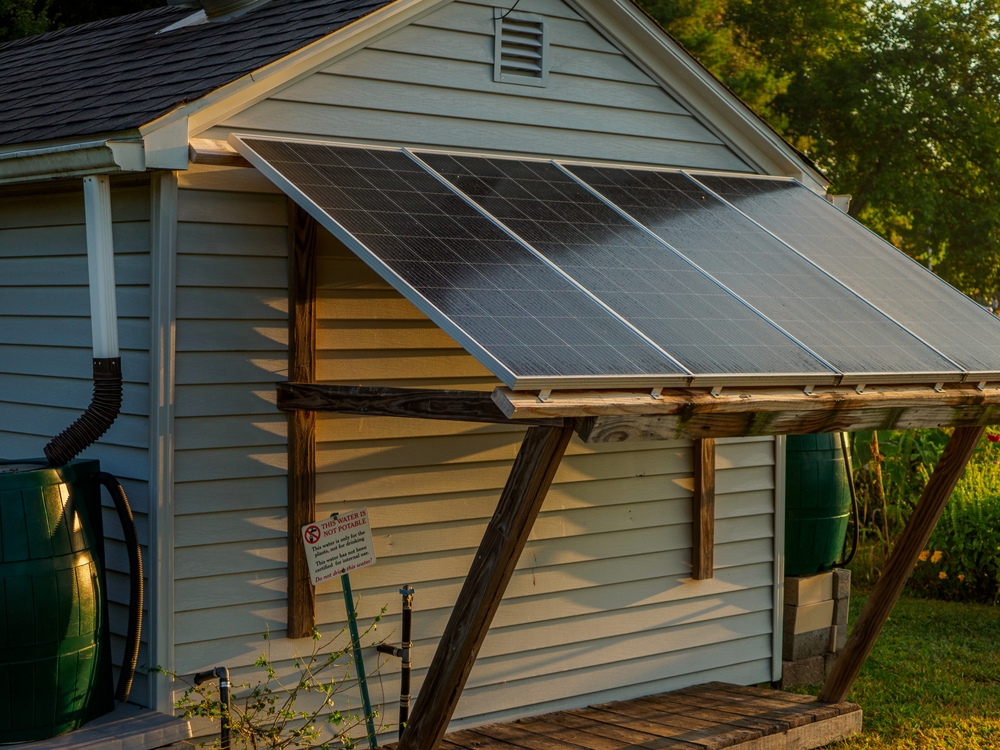
Using solar power for root cellar cooling offers a non-electric, sustainable solution that can reduce energy consumption and costs, while maintaining a consiste
Alternative methods for food storage include earthen bunkers, buried containers, and insulated sheds or outbuildings, providing similar temperature and humidity
A root cellar is ideal for storing herbs that thrive in cool, humid conditions, such as parsley, chives, and mint. Other herbs like sage and thyme can also be s
Specific ventilation designs that work best for root cellars include passive ventilation with a slight overhang and a roof design that allows for airflow, as we
The best materials for building a root cellar include natural, breathable materials like earth, stone, wood, and straw bale, which help regulate temperature and
To maintain optimal produce storage and minimize spoilage, layering in a root cellar involves stacking produce in a specific order, often starting with leaves a
Store potatoes in a root cellar with temperatures between 32 and 40 degrees Fahrenheit and humidity levels between 80 and 90 percent. Keep them in the dark or w
A well-stocked root cellar requires specific accessories for optimal temperature and humidity control, ventilation, and produce storage, including a dehumidifie
To cool a root cellar in summer, strategies include using thermal mass materials, shading the entrance, and maintaining high humidity. Proper ventilation and in
The best types of produce for long-term root cellar storage are high-starch vegetables, such as carrots, potatoes, beets, and parsnips, which can last for 3-6 m
Root cellars are ideal for storing vegetables that can withstand cooler temperatures, including carrots, beets, parsnips, turnips, rutabaga, and cabbage. These
Cold cellaring techniques can be adapted for fermenting foods to some extent, but they require additional considerations to maintain the optimal conditions for
Yes, a solar-powered fan can be included for ventilation in a root cellar, providing a reliable and energy-efficient way to maintain a consistent temperature an
An old wine cellar can be repurposed as a root cellar with some minor modifications to ensure optimal temperature, humidity, and ventilation for storing produce
Root cellars can be used to store canned goods, but it's essential to maintain a consistent temperature range and humidity level to preserve the quality of the
OLD TIRES CAN BE REPURPOSED FOR A ROOT CELLAR, BUT THEY'RE NOT THE MOST IDEAL CHOICE DUE TO THEIR POROUS NATURE AND POTENTIAL FOR RODENTS AND MOISTURE ISSUES. T
A rainwater harvesting system can indirectly aid in humidity control by providing a source of water for irrigation and other uses, thereby reducing the need for
Root cellar design can be customized for specific vegetables by considering their unique storage requirements, such as optimal temperature and humidity levels.
ROOT cellar storage for different types of produce can be effective, but it requires careful consideration of temperature, humidity, and ventilation requirement
Yes, it's possible to build a root cellar below the frost line to store produce at a consistent temperature.
Yes, you can grow herbs in a root cellar setup, but it requires careful temperature and humidity control.
Short Answer: Yes, it's possible to incorporate renewable energy into root cellar design, allowing for efficient cooling, humidity control, and lighting, which
Yes, you can successfully store apples and pears in a root cellar, provided it is properly designed and maintained with optimal temperature and humidity conditi
An old storm cellar can be repurposed as a root cellar, but it's essential to assess its condition and make necessary modifications for proper temperature, humi
Root cellaring is generally better for preservation due to its ability to maintain consistent temperature and humidity levels, ideal for long-term storage of pr
Common pests in root cellars include rodents, insects, and mold, which can be controlled through proper design, ventilation, and storage practices, including us
Different vegetables indeed require unique humidity levels in storage to maintain optimal freshness and quality. High humidity is necessary for vegetables like
A backup power source is not strictly necessary for a root cellar, but it can be beneficial for maintaining a consistent atmosphere and controlling temperature
You do not typically need to monitor CO2 levels in a root cellar, as the levels will remain relatively stable and within a safe range for stored produce due to
Root cellars typically do not need windows or natural light because they are designed to maintain a consistent cool, dark environment ideal for storing produce.
Root cellars do not require specific flooring materials, but rather a moisture-resistant and durable surface to ensure the structure remains dry and protected f
A root cellar doesn't necessarily need to be air-tight, but rather, it should be able to maintain a stable internal environment with moderate humidity and consi
Building a root cellar can indeed increase property value, as it adds a functional and sustainable feature to the property that appeals to environmentally consc
Effective ways to reduce odors in a root cellar include maintaining proper airflow, controlling humidity levels, and using natural odor-absorbing materials such
Essential tools for constructing a root cellar include a post hole digger for excavation, a shovel for soil removal, and a level to ensure the structure is stab
Root cellar humidity control is affected by factors such as ventilation rates, temperature fluctuations, and the initial moisture content of stored produce. Pro
People have successfully built root cellars in areas with high flood risk by incorporating flood-resistant design features and construction methods.
Seasonal changes can significantly impact root cellar temperature control due to variations in temperature, humidity, and air pressure. In the summer, temperatu
Clay pots are moderately effective at regulating humidity in storage due to their porous nature, allowing for some degree of moisture exchange. However, their e
A well-designed root cellar can store produce for 6-12 months, depending on factors such as temperature, humidity, and ventilation. Proper storage conditions al
A standard root cellar can hold approximately 1-2 bushels of produce, depending on the size and layout of the cellar.
To adapt a root cellar for warmer climates, consider installing a radiant barrier, improving ventilation, and using evaporative cooling techniques to maintain a
Assess your root cellar's functionality by monitoring temperature fluctuations, humidity levels, and produce freshness over a period of time, ideally several mo
Position shelves in a root cellar or produce storage area to optimize storage efficiency, typically at a height of 3-4 feet, with the lowest shelf at 1-2 feet o
Choose a site with good natural insulation, ideally with south-facing slope or wall to maximize passive solar gain, and a level surface to prevent water accumul
To control moisture levels in a root cellar, maintain a consistent temperature between 32°F and 40°F, use a relative humidity range of 80-90%, and ensure proper
To create a pest-proof environment in a root cellar, focus on sealing gaps, using natural deterrents, and maintaining a consistent temperature and humidity leve
Excess moisture in a root cellar environment can be handled through proper ventilation, drainage, and humidity control, such as using a humidity gauge and ensur
To handle produce that starts spoiling in storage, check the temperature and humidity levels, and adjust them accordingly to extend shelf life. Use proper venti
To measure humidity in a root cellar, you can use a digital hygrometer or a psychrometer, which are both accurate and affordable tools for monitoring relative h
To prevent frost damage in a root cellar, maintain consistent temperatures between 32°F and 40°F, control humidity levels, and ensure proper ventilation. This c
To prevent mold growth in your root cellar, maintain a consistent temperature between 32°F and 40°F (0°C and 4°C), control humidity levels below 80%, and ensure
To properly cure onions for root cellar storage, dry them in a well-ventilated area with low humidity and temperatures between 60-70°F (15-21°C), then store the
To successfully store carrots in a root cellar, maintain a consistent temperature of 32-40°F (0-4°C) and humidity levels between 80-90%. This temperature range
Use a thermometer to monitor root cellar conditions by placing it in a consistent location, ideally 12-18 inches off the ground, to track temperature fluctuatio
For optimal produce storage, humidity levels in a root cellar or storage space should range from 80 to 90 percent. This narrow range helps maintain a stable env
Ideal site location for a root cellar is a spot with steady, cool temperatures and adequate moisture, ideally on the north or east side of your property, at lea
Ideal Temperature Range For Root Cellars is between 32°F (0°C) and 40°F (4°C), with optimal storage temperatures between 35°F (2°C) and 37°F (3°C).
Climate significantly influences root cellar design decisions, with temperature and humidity fluctuations dictating the need for insulation, ventilation, and ma
A concrete floor is generally a better choice for root cellars due to its ability to maintain consistent temperatures and humidity levels, which is crucial for