02 — Pillar · Off-Grid
Expert guides and Q&A about root cellar design.
Q&A in this topic
60 total
Modular root cellars are a worthwhile consideration for larger projects due to their scalability, ease of installation, and adaptability to various site conditi
Root cellar design mistakes to avoid include poor insulation, inadequate ventilation, and incorrect soil depth, which can lead to temperature fluctuations, mois
Specific guidelines for root cellar lighting recommend using low-wattage, energy-efficient light sources to minimize heat gain and maintain a stable storage env
Extreme climates require root cellar designs that can maintain consistent temperatures and humidity levels, often using materials like earthbags, rammed earth,
In humid climates, root cellar designs should focus on ventilation and drainage to prevent moisture buildup and mold growth. This can be achieved through featur
A root cellar's best location on your property should be in a spot with consistent, cool temperatures and moderate humidity, ideally on the north side of a slop
For root cellar flooring, choose durable, moisture-resistant materials that can withstand repeated freezing and thawing cycles, such as concrete, ceramic tile,
To ensure safe and long-lasting storage, canning and storing food in a root cellar requires attention to detail in temperature, humidity, and storage techniques
A root cellar can contribute to energy efficiency at home by maintaining a consistent temperature, reducing the need for refrigeration and freezing, and providi
A root cellar can be a valuable component of emergency food storage plans, providing a stable and cool environment for storing perishable foods for several mont
A root cellar can minimize food waste effectively by maintaining consistent temperatures between 32°F and 40°F, slowing down spoilage, and allowing for long-ter
You can build a root cellar underground in rocky soil, but it requires careful planning and excavation to avoid complications and structural issues.
You can convert a basement into an effective root cellar with the right design and features, but it requires careful consideration of factors like temperature,
A hybrid root cellar-shed structure is feasible and can be designed to meet your specific needs for food storage and equipment shelter. This combination allows
You can expand your root cellar later, but it's essential to design it with flexibility in mind.
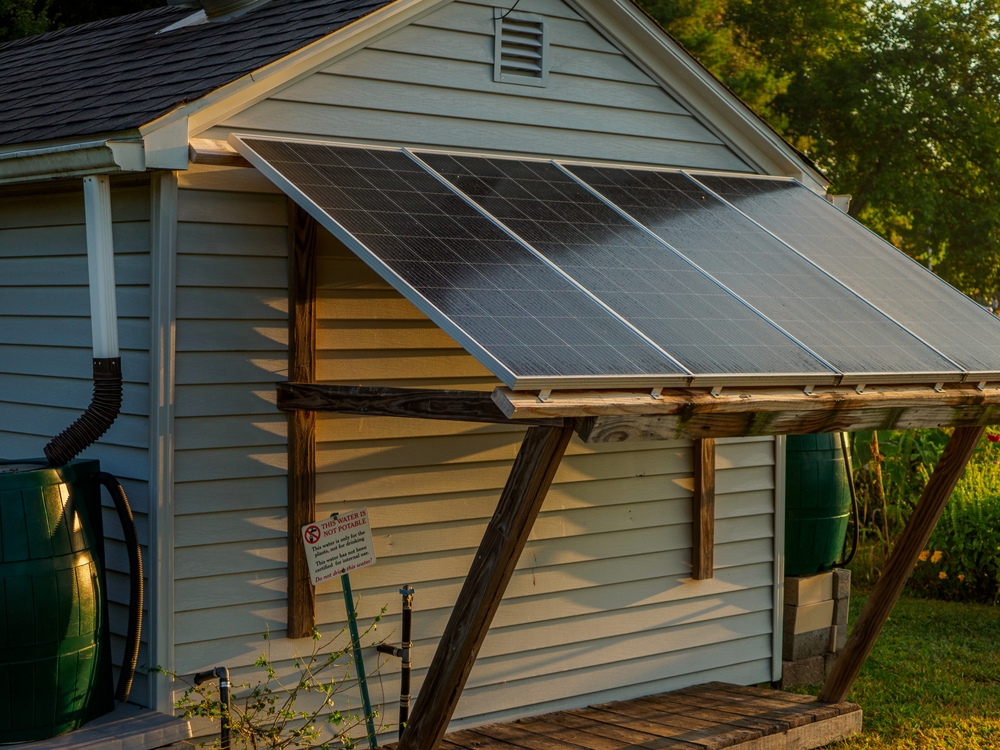
A solar air heater can be a good option for a root cellar, providing a free and renewable source of heat during the winter months. Installation can be relativel
A root cellar can be used year-round for food storage, but specific design considerations are necessary to maintain consistent temperatures between 32°F and 40°
Yes, you can use a root cellar for fermenting foods, as long as it maintains a consistent temperature between 32°F and 50°F (0°C and 10°C), which is ideal for l
A root cellar can store wine, but it requires careful control of temperature and humidity to prevent spoilage. Ideal conditions for wine storage are between 45°
An old well can be repurposed as a root cellar, but it requires significant modifications to convert it into a climate-controlled storage space for vegetables a
Yes, you can use your root cellar during winter months for preservation by maintaining a consistent temperature between 32°F and 40°F (0°C and 4°C) and high hum
Natural daylight can harm the contents of a root cellar by promoting ethylene production, which accelerates ripening and spoilage in fruits and vegetables. Dire
Root cellars can effectively store canned goods, but it's essential to maintain a consistent temperature between 32°F and 40°F (0°C and 4°C) to prevent spoilage
A root cellar can be adapted for a plant nursery by incorporating features like humidity control, temperature management, and natural light supplementation to c
A root cellar can be used in a wet climate, but proper design and construction are crucial to prevent moisture buildup and damage.
Different types of fruits require varying root cellar conditions to maintain optimal storage quality.
A door on your root cellar is necessary for maintaining a consistent internal temperature, regulating humidity, and protecting the stored produce from pests and
A sump pump is often not necessary in a root cellar as long as it's properly designed and built with adequate drainage, a waterproof coating, and a shallow floo
Generally, vegetables stored in a root cellar don't require watering, but some may benefit from a humid environment or occasional misting to prevent dryness, wh
Flooding is a possibility in a root cellar, especially if it's not properly designed or situated, but with careful planning and execution, you can minimize the
Root cellars generally require ventilation to maintain a stable and healthy environment, with a recommended airflow rate of 1-2 air changes per hour. Proper ven
Root cellars require occasional maintenance to maintain a healthy and stable environment for stored produce, including checking humidity levels, inspecting for
Yes, humidity impacts different vegetables in root cellars differently, with optimal humidity levels varying from 50-90% depending on the vegetable.
A family's size and needs significantly influence root cellar design, with larger families requiring more storage space for produce and potentially incorporatin
LOCAL REGULATIONS MAY LIMIT ROOT CELLAR SIZE, DEPTH, AND MATERIALS. BUILDING PERMITS MAY BE REQUIRED. UNAUTHORIZED CONSTRUCTION CAN RESULT IN FINES OR DEMOLITIO
Climate affects the construction of a root cellar by influencing the soil temperature, moisture, and air circulation, which in turn affect the storage and prese
The depth of a root cellar significantly affects temperature, with deeper cellars generally experiencing more consistent temperatures, typically between 32°F an
The depth of a root cellar influences energy use by affecting the storage conditions for perishable items, with a deeper root cellar typically requiring more en
A root cellar entrance slope of 1-2% is recommended for easy snow removal and to prevent water from accumulating near the entrance.
For a functional root cellar, plan for shelving that spans 2-3 feet wide and 6-8 feet long, allowing for easy access and storage of produce at various heights.
Check supplies in your root cellar every 2 weeks during the active harvest season and monthly during the off-season to prevent spoilage and maintain optimal sto
To adjust humidity levels in a prefabricated root cellar, you can use a dehumidifier or add a water source to increase humidity, or install a ventilation system
Calculate the right volume for a root cellar by considering the number of people it will serve, the types of vegetables you'll store, and the storage time neede
Choose a site for an off-grid root cellar with south-facing exposure, ideally at a depth of 1-2 feet below the frost line, and consider the natural slope of the
Create an efficient drainage system for a root cellar by installing a 2-inch perforated drain pipe along the lowest point of the floor, sloping it towards a sum
Determine if your root cellar is too damp by checking the moisture levels, looking for signs of mold or mildew, and measuring the relative humidity with a hygro
Label contents stored in a root cellar using clear, durable labels and a color-coding system to differentiate between types of produce, such as fruits, vegetabl
Incorporating solar energy into a root cellar design can increase efficiency by providing natural light, reducing the need for artificial lighting, and powering
To keep pests out of your root cellar effectively, use a combination of proper design, sealing, and exclusion techniques. This can include features such as hard
A root cellar can be made accessible year-round with proper insulation, waterproofing, and a well-designed entrance system, including a door, stairs, or a ramp,
To monitor food freshness in a root cellar, use a combination of temperature and humidity sensors, and regularly check the storage conditions, food appearance,
To monitor temperature and humidity in your root cellar, consider using a digital hygrometer and a temperature gauge, and place them in a consistent location fo
Maintaining natural humidity levels in a root cellar involves using a combination of soil, straw, and ventilation to create a humid microclimate. This approach
Organize vegetables in a root cellar by grouping them by type, temperature, and moisture requirements to ensure easy access and optimal storage conditions.
Position a root cellar to maximize cooling by orienting it north-south to reduce direct sunlight and using a slight slope to allow gravity to aid in cooling. Th
Prevent condensation in a root cellar by maintaining a consistent temperature, ensuring good airflow, and controlling humidity levels, ideally between 80-90% re
A root cellar can be protected from extreme temperatures by using proper insulation, maintaining a consistent humidity level, and ensuring adequate ventilation
Humidity control techniques for root cellars that work best include using desiccants, dehumidifiers, and careful ventilation design to maintain a 50-70% relativ
A suitable root cellar size for a family of four is around 6-8 feet wide, 8-10 feet long, and 4-6 feet tall, providing approximately 200-400 cubic feet of stora
A passive solar design can be beneficial for root cellars by utilizing natural sunlight to regulate temperatures and reduce the need for artificial lighting, pr