02 — Pillar · Off-Grid
Expert guides and Q&A about summer prep cabin.
Q&A in this topic
60 total
Propane offers reliable, efficient, and cost-effective cabin heating. It's ideal for off-grid cabins due to its energy density and ease of storage. This makes i
Electric heating systems are generally more efficient than wood heating systems, but their efficiency also depends on factors like insulation and energy source.
Electric water heaters are not practical for off-grid use due to high power consumption and limited energy generation capacity.
Having multiple sources of water is crucial for off-grid living to ensure a consistent supply, mitigate the risk of drought, and reduce reliance on a single wat
Portable water filters are generally effective for off-grid use, but their effectiveness depends on several factors such as water quality, filter maintenance, a
Yes, there are specific guidelines for spring cabin inspections to ensure the structure remains safe and functional during the warmer months. These guidelines t
Yes, there are specific regulations for off-grid water collection, varying by state and locality, and often requiring permits and adherence to guidelines for ra
Temperatures above 40°F (4°C) are suitable for performing repairs on your cabin, as they allow for comfortable working conditions and optimal tool performance.
For off-grid cooking in spring, prioritize gas or propane stoves, wood-burning stoves, or solar ovens as primary cooking methods. These options provide reliable
To open an off-grid garden in spring, start by assessing the soil health and pH level, then add organic amendments as needed. Plant a diverse mix of heat-tolera
Seal cracks around windows and doors with a waterproof sealant like silicone or polyurethane caulk, and use expanding foam to fill larger gaps. Ensure a good bo
Winterize an off-grid cabin by inspecting and repairing roofs, gutters, and downspouts, and preparing plumbing, electrical, and HVAC systems for freezing temper
For an off-grid cabin, the best roof types for durability are metal, cedar shakes, or corrugated asphalt shingles, all of which can withstand harsh weather cond
For off-grid cabins, the best type of water storage is a food-grade, UV-resistant, and airtight polyethylene tank or a concrete cistern with a durable liner, bo
To protect an off-grid cabin from wildfires, create a defensible space of 100 feet around the structure, clear flammable vegetation and debris, and use fire-res
Different water sources can significantly affect your cabin's water quality due to varying levels of contaminants, minerals, and pH levels.
Untested spring water can pose a significant risk of illness due to potential contamination with bacteria, viruses, and other pathogens. Without proper testing
Yes, you can use your cabin's water for gardening after testing to ensure it's safe and suitable.
Yes, after proper testing, you can safely use rainwater for drinking.
Using stream water for cooking without treatment is not recommended due to the high risk of waterborne pathogens and contaminants. Untreated stream water can co
Rainwater harvesting can significantly reduce reliance on traditional water sources, especially for off-grid summer prep cabins. However, it cannot completely r
Yes, living off-grid without internet access is entirely possible with proper planning and preparation.
Off-grid solar batteries can experience issues such as overheating, deep discharge, and sulfation, which can reduce their lifespan and performance. Inadequate c
Yes, a water filter is essential for rainwater collected in spring as it may contain contaminants from the roof, gutters, and surrounding environment that could
A water softener is not typically necessary for spring water, but it may be beneficial if you have concerns about mineral buildup or scaling in your pipes. Spri
UV light can effectively purify cabin water by killing bacteria, viruses, and other microorganisms, but the effectiveness depends on the UV intensity, exposure
To open an off-grid cabin in spring, essential supplies include water purification systems, solar panels, and a reliable battery bank, as well as winter gear li
Change your cabin's water filter every 6-12 months, or when the flow rate noticeably decreases, to ensure clean drinking water.
Test your well water quality at least once a year, and after significant changes in the environment or well usage.
Before moving into a summer prep cabin, it's essential to address water quality issues by testing the water, identifying potential sources of contamination, and
Assess the cabin's plumbing condition by inspecting pipes, fixtures, and appliances for signs of leaks, corrosion, or damage, and consider testing water quality
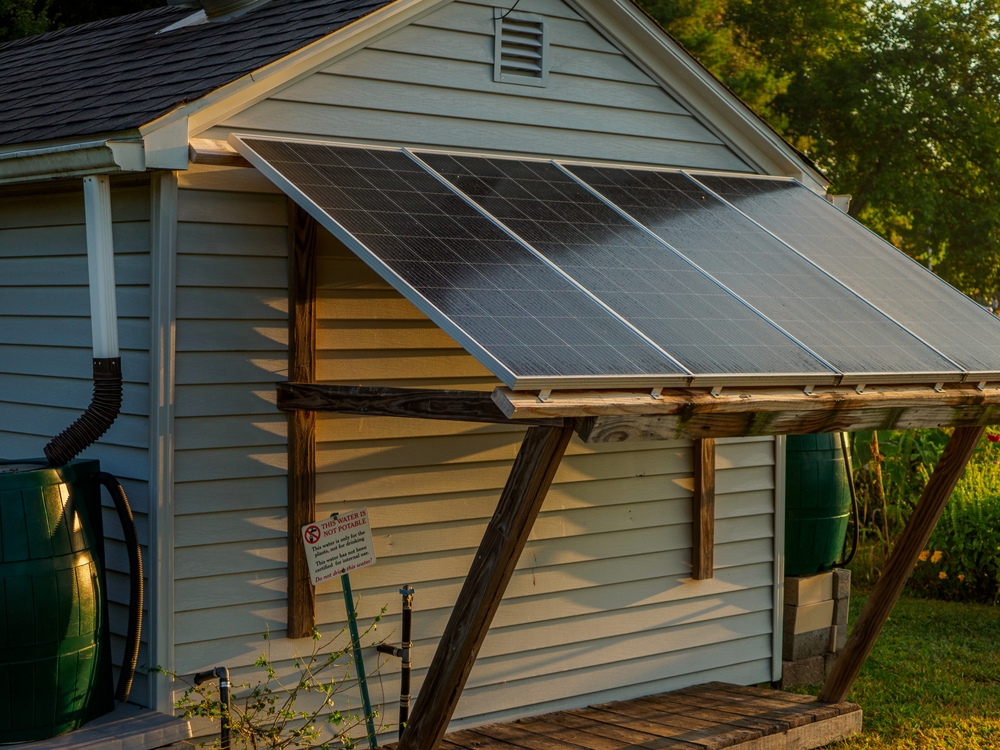
The best way to clean solar panels is to use a soft-bristled brush to remove loose debris, followed by a gentle hose-down with a low-pressure spray nozzle and a
Conduct a spring water test for purity by collecting a water sample and analyzing its physical, chemical, and biological properties, using techniques such as pH
Implement a sustainable water management system by incorporating rainwater harvesting, greywater reuse, and efficient storage for a reliable water supply in you
To detect and repair leaks in plumbing systems, inspect pipes, fittings, and connections regularly, checking for signs of moisture, water damage, or mineral bui
Assess the water source's clarity, odor, and taste, and check for signs of contamination, such as animal activity or nearby pollution. Use a water filter or pur
Ensure proper ventilation in a cabin by installing vents, opening windows, and using fans to circulate air, especially during summer months when temperatures ar
Off-grid waste management in spring involves implementing a composting toilet, recycling graywater, and storing and disposing of human waste in a sanitary manne
Inspect the cabin roof for signs of water damage, check for gaps between roof trusses, and use a hose to test for leaks during summer rain.
Inspect the foundation for signs of water damage, uneven settlement, or structural compromise. Check for cracks in poured concrete, mortar joints, or brickwork.
Inspect an off-grid cabin for spring pests by checking for signs of rodents, insects, and other wildlife that may have taken shelter during winter. Look for gna
Apply window film or thermal curtains, and consider installing window insulation kits or cellular shades for effective spring insulation.
To prevent cabin water supply from freezing in spring, consider installing a freeze-resistant water tank or moving the water supply to a protected location, suc
To prevent wildlife from damaging an off-grid cabin, use a combination of physical barriers, deterrents, and maintenance to secure the property. Install hardwar
Regularly scrape the composting toilet's composting area, maintain adequate ventilation, and keep the composting system's temperature between 50°F and 140°F to
To monitor energy consumption in off-grid homes, consider using energy monitoring systems, such as dataloggers or smart meters, to track power usage in real-tim
To prepare an off-grid cabin for spring flooding, inspect and clear the property of debris, ensure proper functioning of drainage systems, and fortify the found
To prepare solar panels for spring storms, inspect and clean the panels, secure any loose connections, and ensure the mounting system is firmly attached to the
To prevent mold growth in off-grid cabins, maintain a consistent and well-ventilated environment, control humidity levels below 50%, and ensure adequate air cir
To protect your solar system from spring snow, consider installing a snow load-rated roof mount, using a snow shield or snow skirt to deflect falling snow, and
Select a water filtration system that can handle the flow rate and water quality requirements of your cabin, considering factors such as sediment, bacteria, and
To treat spring water for safe drinking, first identify potential contaminants and apply a multi-step treatment process, including sedimentation, filtration, an
Aim for 50-75 gallons per person per day, with a 5% buffer for unexpected needs. This can be adjusted based on individual activities, climate, and water source
A significant snow load can damage or collapse your off-grid cabin roof, especially if it's not designed to handle the weight. This can lead to costly repairs o
A composting toilet is not strictly necessary for off-grid living, but it can be a valuable asset for summer prep cabins, especially in areas with limited septi
A high-efficiency wood stove can be worth the cost for off-grid cabins, offering significant heat output while minimizing fuel consumption and environmental imp
A solar cabin can be a worthwhile investment for off-grid living, offering energy independence and minimal environmental impact, but careful planning and budget
Freezing temperatures are a concern for solar batteries, as they can cause damage and reduce performance. However, most modern solar batteries are designed to w
Insurance for an off-grid cabin is highly recommended due to the unique risks associated with remote properties. It can help protect against unexpected events l
Winterizing an off-grid cabin before spring is highly recommended to prevent costly repairs, ensure safety, and maintain its structural integrity. This process