02 — Pillar · Off-Grid
Expert guides and Q&A about water chlorination shock.
Q&A in this topic
60 total
Eco-friendly alternatives to chlorine for well water disinfection include ozone, UV light, and ceramic water filters with built-in disinfection capabilities. Th
Yes, over-chlorinating well water can be detrimental to its quality and pose health risks to consumers. Chlorine levels above the recommended range can cause wa
For rural water systems, the best chlorine products are sodium hypochlorite (bleach) or calcium hypochlorite tablets, which are effective, cost-efficient, and e
After chlorination treatment, it's best to flush well water for at least 30 minutes to one hour to ensure the chlorine has completely dispersed and is no longer
After post-chlorination, test the well water for residual chlorine levels, pH, and bacterial contaminants. Typically, wait at least 30 minutes after chlorinatio
To learn more about well water treatment, consider consulting reputable resources such as the EPA's guidelines, the National Ground Water Association, and peer-
HIGH LEVELS OF CHLORINE IN WATER CAN CAUSE ENVIRONMENTAL DAMAGE BY KILLING Beneficial microorganisms, disrupting aquatic ecosystems, and contaminating soil and
Yes, you can automate your chlorination system for off-grid use, allowing for consistent disinfection and minimizing the risk of waterborne pathogens.
Yes, you can chlorinate well water without a pump, but it may require manual or gravity-fed methods.
You should not mix different types of chlorine for water treatment, as this can lead to unpredictable reactions and potentially harmful byproducts. Mixing can a
SHOCK TREATMENT OF MULTIPLE WELLS: Yes, but with careful planning and equipment to prevent contamination issues. Shock treatment of multiple wells is possible,
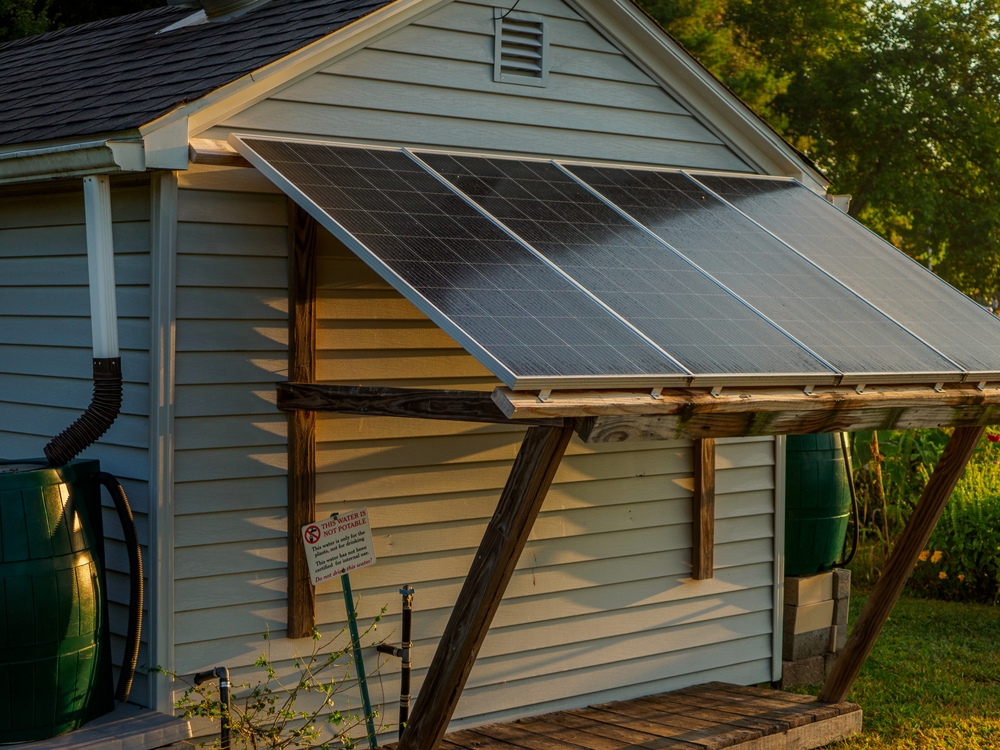
Yes, a solar-powered pump can be used for chlorination applications, but it's crucial to consider the system's flow rate, water pressure, and chlorine dosage re
Non-chlorine shock treatments are generally safe for use in well water, but it's essential to follow the manufacturer's instructions and take necessary precauti
No, you should not use pool chlorine for your drinking water due to its high concentration of chloramines and potential health risks.
You can use rainwater in your off-grid system after chlorination, but it may cause temporary water quality issues due to chlorination shock. This effect depends
Yes, your family can use well water while chlorination is in process, but you should follow proper safety precautions and allow the water to sit for a specified
Off-grid systems can use chlorine tablets for water purification, but they must be used carefully to avoid water chlorination shock, which can damage system com
Solar Power can significantly reduce chlorination costs for off-grid homes by minimizing water storage tank size and optimizing water treatment processes.
Solar-Powered Systems can effectively handle water treatment by utilizing solar power to operate treatment systems such as UV disinfection and solar stills, and
Using too much chlorine in well water can create health issues, including respiratory problems, skin irritation, and eye irritation.
Yes, water filters that include activated carbon, reverse osmosis, or ultraviolet (UV) light can remove chlorine from well water effectively, but some systems m
Yes, well water can be over-chlorinated without immediate health risks, although it may still pose long-term risks and unpleasant taste.
Short Answer: Well water quality can indirectly affect solar panel efficiency by causing chlorination shock, which can lead to higher temperatures in the well w
Wildlife exposure to chlorinated water can present ecological risks, including toxic effects on aquatic organisms and potential disruptions to the food chain.
Chlorination costs for off-grid water systems can range from $200 to $2,000 or more, depending on the type and quantity of chlorine used, the size of the water
For seasonal off-grid homes, chlorination frequency may vary depending on usage and system maintenance. Typically, water should be chlorinated every 30 to 60 da
Off-grid living requires effective chlorination methods to ensure safe drinking water. Options include UV light disinfection, chlorine tablets, and liquid chlor
Shock treatment is better for well water due to its ability to immediately kill bacteria and other pathogens, while chlorination typically requires consistent e
Hydrogen peroxide is a safer and more effective option for well water treatment compared to chlorine, as it does not cause chlorination shock and can oxidize he
Yes, you should shock treat your well water after heavy rainfall to ensure its safety for consumption and household use. This is because rainwater can carry con
Chlorination can significantly alter the taste and odor of well water, often causing unpleasant or metallic flavors due to the introduction of chlorine gas or c
Higher solar panel efficiency can reduce the energy required to power well water chlorination systems, potentially increasing the system's reliability and lifes
Long-term use of chlorine in drinking water has been linked to several health concerns, including increased risk of bladder cancer, reproductive issues, and thy
Iron and manganese impact chlorine treatment in well water by consuming chlorine and reducing its effectiveness, allowing iron and manganese to persist and pote
Seasonal changes can affect well water quality, causing increased bacterial growth, sedimentation, and mineral buildup during colder months, while warmer months
Hard water can significantly reduce the effectiveness of chlorination by binding to the chlorine molecules, forming chlorinated organic compounds that are less
LOW-FLOW FROM YOUR WELL AFFECTS SHOCK TREATMENT Efficacy BY REDUCING CHLORINE CONTACT TIME AND CONCENTRATION WITH THE WATER, MAKING IT MORE DIFFICULT TO EFFECTI
Temperature affects chlorination in well water because it influences the disinfection by-products (DBPs) formation, chlorine demand, and the stability of chlori
SHOCK TREATMENT RESULTS ARE AFFECTED BY THE DEPTH OF YOUR WELL IN TERMS OF CONTACT TIME BETWEEN THE CHLORINE AND THE WATER. DEEPER WELLS REQUIRE LONGER CONTACT
Chlorination in well water systems typically lasts anywhere from a few days to several weeks, depending on the dosage and the presence of other chemicals that m
Chlorine levels in well water should remain detectable for at least 24 hours after shock chlorination, which is typically achieved when 1-2 grams of chlorine pe
A standard shock treatment process can handle between 5,000 to 10,000 gallons of water at a time, depending on the treatment type and concentration used.
Shock treating your well water is a crucial step in maintaining its quality and safety. You should shock treat your well water every 3-6 months, or more frequen
Test well water for bacteria and nitrates after 24 hours and again 7-10 days after shock treatment to ensure the disinfection process was effective.
Choosing the right chlorination system for a well involves several factors, including water quality, system complexity, and maintenance requirements. A well-des
Determine chlorine levels in well water using a chlorine test kit, which typically includes a chlorine test strip or a water sampling kit that involves titratio
Chlorine can be removed or its taste masked by installing a reverse osmosis (RO) filter or using a carbon filter with a high contact time, such as a 6-8 inch fi
Maintaining chlorination equipment in harsh environments requires regular inspections and adjustments to prevent damage and ensure proper disinfection.
To safely add chlorine to your well water, use a water testing kit to determine the necessary dosage and follow the manufacturer's instructions. Start with a sm
Transport chlorine in well-ventilated areas, away from heat sources and living quarters, using a leak-proof container with a tight-fitting lid, and follow local
Excessive chlorine levels in well water can cause unpleasant odors, skin and eye irritation, and even damage to plumbing and appliances. High chlorine levels ca
Chlorinating well water during winter months is not generally advisable due to the potential for chlorine shock, which can cause corrosion in pipes and damage t
Combining chlorination with UV treatment is beneficial as it ensures a comprehensive disinfection method that tackles various waterborne pathogens.
Shock treating well water after a drought may be necessary to ensure safety, but the necessity depends on the specific factors involved, such as the presence of
No, it's not recommended to drink well water treated with chlorine right away. Chlorine can cause stomach discomfort, nausea, and diarrhea in some individuals.
It's generally not recommended to drink well water immediately after shock treatment, as the disinfectant residual may take some time to dissipate and ensure sa
Short answer: Mixing chlorine with other water treatment chemicals is generally not recommended, as it can lead to unpredictable reactions, reduced effectivenes
It's generally safe to use chlorinated well water for gardening, but there are potential risks to consider and steps to take for optimal water quality and plant
Investing in an automatic chlorination system for your well is a worthwhile investment, considering the protection it offers against waterborne pathogens and ma
Regular chlorination is not strictly necessary for off-grid well water systems, but a periodic shock dose of chlorine can be beneficial to control bacteria and