02 — Pillar · Off-Grid
Expert guides and Q&A about water well deep pump.
Q&A in this topic
60 total
High-efficiency pumps offer significant benefits, including reduced energy consumption, increased water flow rates, and longer pump lifespan. They also minimize
Regulations for installing a well pump in your area may be enforced by local, state, or federal authorities, depending on the jurisdiction.
Yes, several brands specialize in off-grid performance, including Renogy for solar panels, Outback Power for battery systems, and Shurflo for water pumps.
For reliable deep well submersible pumps, top brands include Grundfos, Lowara, and Wilo, known for their robust designs and consistent performance in a variety
Install solar-powered pumps on a level surface, ensure the pump is properly aligned with the solar panel's angle, and use a submersible pump with a high head ca
Regular monitoring of water levels, pump performance, and electrical system condition is essential for maintaining deep well pumps. Scheduled maintenance and ti
To protect a well pump from freezing, insulate the pipes, install a freeze-proof pump, and consider burying the well piping underground. Insulation can be achie
A 0.5 HP pump may be sufficient for a 300-foot well, but its performance will depend on the pump's efficiency, the well's water yield, and the system's design.
A 2-speed pump can indeed save energy in off-grid systems by optimizing pumping performance based on changing water demand and pressure conditions.
SUBMERSIBLE PUMPS IN SALTWATER: A FEW KEY POINTS TO CONSIDER. Generally, a submersible pump can be used in saltwater, but proper selection and precautions are n
Yes, head pressure can be adjusted for different applications, typically by changing the pump's stroke length, piston diameter, or gear ratio to match the speci
Heavy rains can indeed impact the performance of your well pump by causing excessive water table fluctuations and increased pressure.
HIGH_HEAD_PRESSURE_CAN_CAUSE_PUMP_DAMAGE: High head pressure can indeed lead to pump damage, especially if the pump is not designed to handle such pressures. Ex
Yes, multiple submersible pumps can be connected to one solar panel, but the total power consumption should not exceed the panel's output, typically around 100-
A 1.5 HP pump can be powered with solar panels, but it requires a substantial solar array and a suitable power storage system to ensure continuous operation.
Yes, you can replace your old pump with a solar-powered option, which can be a cost-effective and environmentally friendly solution for your water well deep pum
Yes, you can run multiple fixtures simultaneously on one pump, but the maximum number of fixtures depends on the pump's flow rate and the fixtures' individual w
Yes, you can use a float switch with your well pump system, but it's essential to select the right type and configure it correctly to prevent system damage and
A submersible pump can be suitable for a fish pond application if properly selected and installed, taking into account factors such as pump size, depth, flow ra
A submersible pump might work for emergency home water supply, but it requires careful consideration of its original design and intended use, as well as the spe
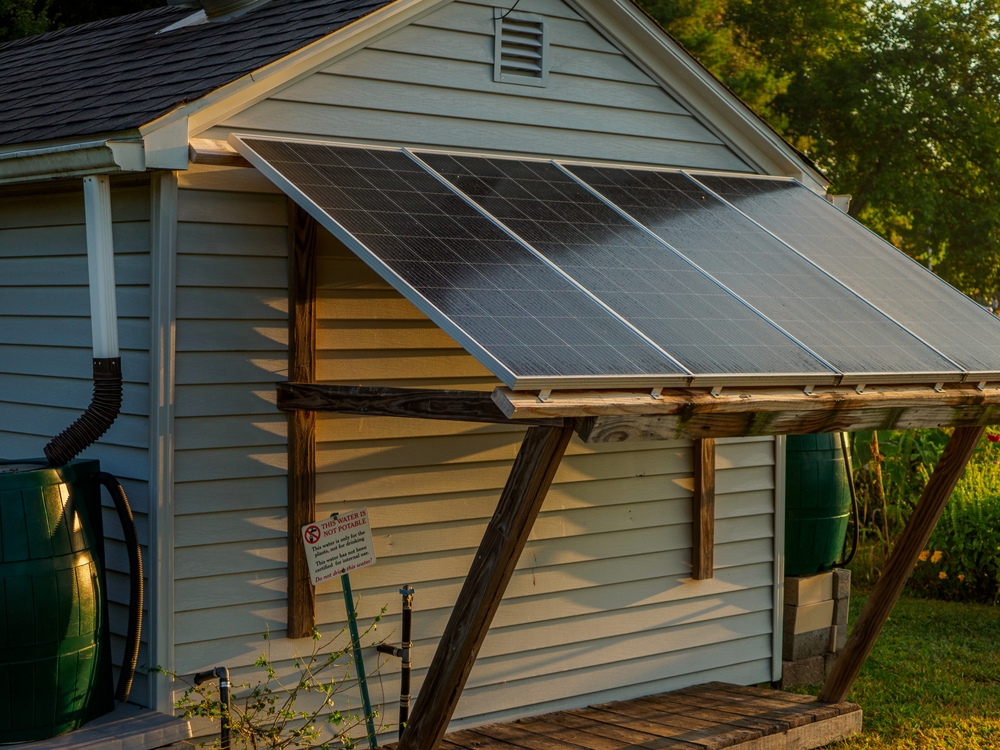
Yes, you can use renewable energy for deep well pumping, particularly with the use of solar or wind power to drive the pump.
Sediment accumulation can indeed damage your submersible pump, particularly if it's not properly maintained or if the well water conditions are conducive to sed
A 3 HP submersible pump can be effectively powered by solar power, but it requires a suitable solar array and a high-performance DC-DC converter to match the pu
A well-designed solar setup can handle varying pump power requirements by incorporating adjustable speed drives or multi-stage pumps.
Submersible pumps can operate continually without overheating when designed and installed correctly.
Submersible pumps can operate effectively in cold climates, but their performance may be affected by low temperatures.
Submersible pumps can generally operate in a wide range of temperatures, but their performance and lifespan may be affected by extreme temperatures. Most submer
Submersible pumps can run on both 120V and 240V systems, but it's essential to choose the correct voltage for your specific setup to avoid damage or inefficienc
Water temperature can significantly affect pump performance, particularly when it comes to deep well pumps. As temperature increases, pump efficiency decreases
A 2 HP pump is generally more suitable for residential use, especially for wells with high water tables or multiple fixtures, due to its increased flow rate and
Yes, high head pressures often necessitate larger horsepower, as the pump needs to overcome greater resistance to deliver the water to the desired elevation.
A pressure tank is not strictly necessary with a submersible pump, but it can help regulate water pressure and flow rate, and also provide a buffer against fluc
Yes, submersible pumps require routine maintenance checks to ensure optimal performance and prevent premature failure.
Horsepower directly affects the head pressure in pumps, not the flow rate. Flow rate is determined by the pump's capacity and the well's yield.
Pump depth can influence water quality due to increased risk of contamination from deeper sources of pollution.
Energy efficiency ratings for deep well submersible pumps generally range from 30% to 90% efficiency. A higher efficiency pump can save energy, reduce operating
Evaporation rates in arid regions can significantly affect pump efficiency by increasing water losses and reducing water availability for pumping. This can lead
Agricultural crops have varying head pressure requirements, typically ranging from 50 to 200 feet of static head for standard irrigation systems, and up to 500
Head pressure specifications for livestock watering systems typically range from 50 to 150 pounds per square inch (PSI), but can be as low as 25 PSI or as high
Solar panels can influence the performance of well pumps by providing a reliable and renewable source of energy, reducing reliance on fossil fuels and decreasin
Altitude significantly influences pump performance and head pressure, as atmospheric pressure decreases with higher elevations, requiring pumps to work harder t
Pump depth significantly affects flow rate and pressure, with deeper wells often requiring larger pumps to achieve sufficient flow rates and pressures.
Sediment can significantly shorten the lifespan of deep well pumps by clogging the pump's intake and motor, reducing its efficiency and increasing the risk of p
Temperature variation affects pump efficiency by altering the viscosity of the fluid, which in this case, is typically water. As temperature decreases, the visc
The size of the pump directly influences energy use, with larger pumps consuming more energy due to increased demand on the motor and electrical components. Sma
A 2 HP pump can deliver approximately 4-6 gallons per minute, depending on the specific pump model and well conditions.
Check your well's water levels weekly during the first year after installation, then monthly thereafter. This will help you catch any potential issues early on.
Short Answer: It's recommended to service your submersible pump every 6 to 12 months, depending on usage and environmental conditions. Regular maintenance helps
To calculate the ideal horsepower for your well, consider the static lift (feet) and flow rate (gallons per minute) to determine the required pump power. You ca
To calculate the total dynamic head for your pump, you need to consider the static lift (the depth of the well) and add any additional pressure loss from fricti
To choose a submersible pump for a specific application, consider the water depth, flow rate, and head pressure requirements, as well as the pump's power consum
To determine the right pipe size for your well, you should consider the flow rate, pressure drop, and pipe material. A general rule of thumb is to use a pipe si
Determining well depth accurately before pump installation involves a series of measurements and calculations, often requiring professional assistance. Techniqu
Regularly inspect and maintain the pump, control panel, and wiring; replace worn or damaged components promptly; and ensure proper storage and handling to exten
To improve the efficiency of your deep well pump, consider optimizing its performance by upgrading to a more efficient pump, checking for air in the system, and
To determine if your well water is safe to use, you'll need to test for bacteria, nitrates, and other contaminants that can affect health. You can hire a certif
Inspect the pump impeller every 6-12 months for signs of wear, such as rust, corrosion, or uneven wear patterns. Replace the impeller if it's damaged or worn ou
Select the best gauge wire for a water well deep pump by considering the pump's power rating, wire resistance, and voltage drop. A good rule of thumb is to use
Ideal pressure settings for optimal performance in a water well deep pump system typically range between 50-100 psi, depending on well depth, water table level,
Submersible pumps in rocky soil pose challenges such as increased installation costs, difficulty in finding a suitable pump location, and potential damage to th