02 — Pillar · Off-Grid
Expert guides and Q&A about wringer washers.
Q&A in this topic
60 total
A wringer washer offers efficiency, water conservation, and reduced manual labor compared to bucket washing methods, making it a practical choice for off-grid h
Hand-crank washers are a relatively environmentally friendly option for laundry compared to traditional electric or gas washers, requiring only human power to o
Some eco-friendly hand-crank washers may carry certifications like NSF International for water safety and energy efficiency, or EPA WaterSense for reduced water
Highly recommended brands for off-grid and solar systems include Goal Zero, Renogy, and Jackery, known for their high-quality solar panels, batteries, and power
Wringer washers pose several safety concerns due to their mechanical nature and potential for water splashing and slipping. Users may be at risk of injury from
Community resources for off-grid laundry solutions are readily available, offering hands-on workshops, online forums, and technical guides to help individuals d
Yes, seasonal considerations are crucial for off-grid laundry setups, as they impact the system's efficiency, maintenance, and performance during different time
Wringer washer fabrics require regular care to maintain their durability and performance. This includes washing, drying, and storing the fabrics properly to pre
Yes, some manufacturers offer warranties on hand-crank washer purchases, often ranging from 5 to 10 years, depending on the brand and model.
Hand-crank washers offer off-grid living advantages such as energy independence, lower maintenance costs, and reduced water consumption. They use human power to
For off-grid laundry stations, consider locations near water sources, such as rivers or streams, to simplify water collection and treatment. Areas with gentle s
To load a hand-crank washer efficiently, fill the tub with 20-30 pounds of clothes, separating delicates from heavier items. Add detergent and begin cranking, w
Rinse clothes thoroughly with clean water to prevent stains and skin irritation. For off-grid situations, use a wringer washer or a sink with a hand-cranked wri
Store a wringer washer in a dry, well-ventilated area to prevent rust and corrosion. Position it on a level surface to prevent water from accumulating inside th
The best times of year for off-grid laundry setup are spring and fall, when weather conditions are generally mild and sunny, allowing for efficient solar power
Store laundry supplies in airtight containers, like plastic buckets or bins, to keep them dry and pest-free. Label and date containers to ensure you use the old
HAND-CRANK WASHERS CAN HANDLE MULTIPLE FABRIC TYPES BUT WITH SOME RESTRICTIONS. THEY WORK BEST WITH FABRICS THAT ARE NOT TOO THICK OR TOO THIN. IT'S ESSENTIAL T
CHILDREN CAN SAFELY ASSIST WITH USING A HAND-CRANK WASHER WHEN THEY ARE OLD ENOUGH AND STRONG ENOUGH TO TURN THE HAND CRANK, WHICH IS USUALLY AROUND 8-10 YEARS
Hand-crank washers can be used for outdoor events and gatherings, providing a practical solution for washing clothes without relying on electricity or water hoo
WRINGER WASHERS CAN BE ADAPTED FOR MANUAL PUMPING WITH SOME MODIFICATIONS AND ADDITIONAL COMPONENTS.
Wringer washers can be used effectively with river water, but proper treatment and precautions are necessary to prevent contamination and ensure safe and effect
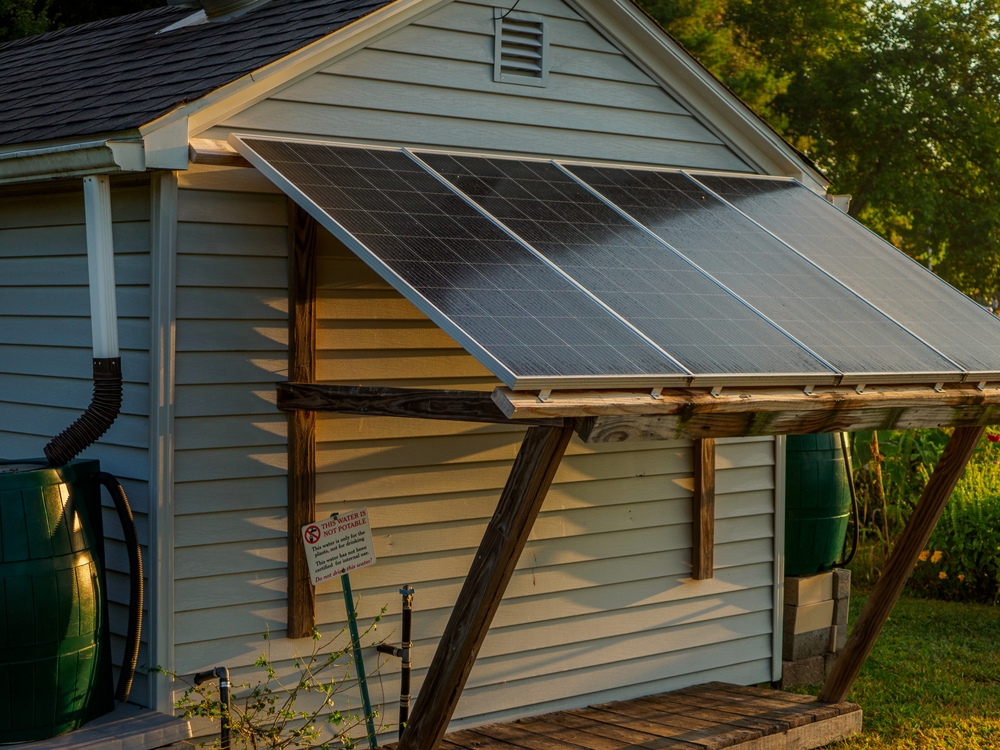
Wringer washers can be used with solar power, but the setup requires careful consideration of the washer's energy requirements and the solar panel's output.
WRINGER WASHERS ON SOLAR GENERATORS: YES, BUT WITH LIMITATIONS. THEY REQUIRE A RELIABLE POWER SOURCE AND CAN BE TOUGH ON BATTERIES. A 1500W inverter or higher i
A solar-powered system for a wringer washer can be achieved by utilizing a solar panel to charge a battery bank, which powers an inverter that supplies electric
Yes, you can dry clothes effectively without electricity by using a wringer washer, a drying rack, or a clothesline, especially when hung in direct sunlight.
You can effectively wash large items like blankets by hand, but it requires the right tools and technique.
Yes, you can improve the effectiveness of a wringer washer by optimizing its operation, maintaining it properly, and incorporating simple upgrades.
Yes, you can modify a wringer washer to increase efficiency, but it will require some mechanical and plumbing work.
HAND-OPERATED WASHERS CAN BE A VIABLE OPTION FOR CAMPING OR RVING, OFFERING A MEANS TO WASH CLOTHES WITHOUT ELECTRICITY. THEY ARE AVAILABLE IN VARIOUS MODELS, S
Yes, you can use a wringer washer for environmentally-friendly laundry as it uses minimal water and energy, and you can also wash clothes in cold water with env
Homemade detergents can be used in wringer washers, but it's essential to choose a recipe that's suitable for hand-washing clothes and consider the water temper
Wringer washers are generally not suitable for delicate fabrics as they use mechanical wringing action, which can cause damage to fragile materials.
Washing bedding in a hand-crank washer is possible but may not be the most efficient or practical option due to the bulk and weight of bedding items. However, i
WRINGER WASHERS CAN HANDLE HEAVY FABRICS, BUT IT DEPENDS ON THE TYPE OF FABRIC AND THE SPECIFIC MODEL OF THE WRINGER WASHER. HEAVY FABRICS LIKE COTTON OR DENIM
Using a wringer washer in rainy seasons poses significant challenges due to the risk of electrical shock, water damage, and reduced efficiency. Rainwater can se
For off-grid use, manual washers, specifically wringer washers, are generally the better choice due to their low energy requirements and long lifespan. They're
Wringer washers can experience common problems such as worn-out rubber rollers, clogged screens, and jammed mechanisms, which can be addressed by cleaning, lubr
A hand-crank wringer washer is a more water-efficient and cost-effective alternative to traditional rinse methods. It uses minimal water, typically around 1-2 g
Wringer washers can be a cost-effective alternative to laundromat services, with a one-time purchase price of around $200-$1,000 and annual operating costs of $
Hand-crank washers, like wringer washers, can provide effective cleaning for clothes, especially for those that don't require intense agitation. However, they m
A hand-crank washer requires moderate physical strength to operate efficiently, but not extreme strength. The amount of force needed depends on the model, water
Hand-crank washers typically use significantly less water than electric models. This is because they rely on manual effort to extract water from clothes, result
Off-grid communities often prefer wringer washers due to their energy efficiency, low maintenance, and affordability. These washers typically use minimal electr
Off-grid laundry setups may require special permits, depending on local regulations and zoning laws, particularly for water usage and greywater discharge. Homeo
An extra pump is often necessary for off-grid water supply, especially when using a wringer washer or other high-pressure devices, to ensure sufficient water pr
WRINGER WASHERS TYPICALLY STRUGGLE WITH HARD WATER due to mineral buildup and reduced water flow. They require a steady flow of water to function properly, whic
Rinsing in cold water with a wringer washer is an effective method for removing soap residue and excess water, especially for delicate or hand-wash-only items.
Operating a hand-crank washer requires moderate to high physical effort, equivalent to pedaling a stationary bike for 30 minutes, with the ability to sustain cr
For off-grid washing, hand-crank wringer washers are often the best option, offering reliable and sustainable operation with minimal energy requirements, ideal
Securing a wringer washer during storms involves using tie-downs or straps to stabilize the unit and prevent it from shifting or toppling over. This can be achi
Climate conditions can significantly impact off-grid laundry methods, particularly wringer washers, which rely on manual power and water flow. High humidity, he
Hand-crank washers are similar to portable models in their ability to be powered by manual effort, but they tend to be more rugged and compact, making them idea
Humidity affects the drying process of clothes by slowing down evaporation, making the drying process longer and potentially leading to the growth of mildew and
The design of a wringer washer significantly impacts its efficiency by affecting water flow, spin speed, and wringing pressure, making it crucial to balance the
A larger wringer washer typically offers more capacity, which can increase usability by allowing users to wash larger or bulkier items in a single cycle, reduci
Weather conditions significantly impact off-grid laundry efficiency, particularly for wringer washers which rely on manual labor to remove water. High winds, he
A wringer washer can be an effective tool in emergency situations, offering a reliable and energy-efficient method for washing clothes when electricity is unava
A hand-crank washer can typically handle 2-4 loads of laundry per day, depending on the size of the washer and the user's efficiency with the hand-crank.
Manual wringer washers require significantly more effort compared to electric models, often requiring up to 10-20 minutes of manual cranking for a single load,
A typical wringer washer consumes around 20-50 gallons of water per load, depending on the model and user settings. This can vary from a low of 10 gallons for a