
LaGrange County, IN
40,866 residents · 380 sq mi · 107.6/sq mi · 100% rural
About LaGrange County
LaGrange County is a county located in the U.S. state of Indiana. As of 2020, the population was 40,446. The county seat is LaGrange, Indiana. The county is located in the Northern Indiana region known as Michiana and is about 55 miles (89 km) east of South Bend, 105 miles (169 km) west of Toledo, Ohio, and 175 miles (282 km) northeast of Indianapolis. The area is well known for its large Amish population. For that reason, the county teams up with neighboring Elkhart County to promote tourism by referring to the area as Northern Indiana Amish Country. About half of LaGrange County is Amish, and it is home to the third-largest Amish community in the United States, which belongs to the Elkhart-LaGrange Amish affiliation.
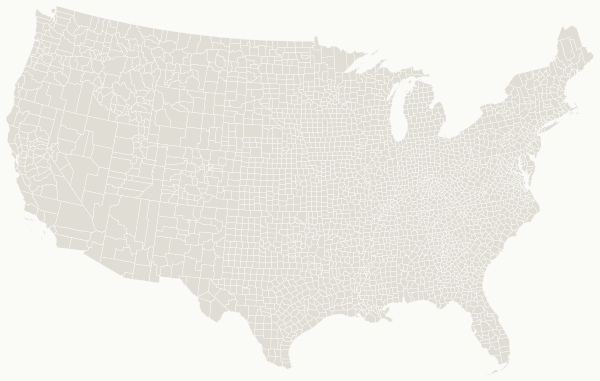
Prepper Assessment
This area features a rural setting with a population density of 107.6 people per square mile, providing a sense of remoteness while still being accessible. The climate is characterized by an annual mean temperature of 49.4°F and 37.6 inches of rainfall per year, which supports a growing season suitable for various crops, especially in USDA zone 7b. The humid environment with an aridity index of 1.68 offers ample water resources for self-sufficient living, although winter temperatures can drop to 17.1°F.
Natural hazards are a significant consideration, with strong winds (FEMA rank 92), hail (87), and tornadoes (81) posing risks to property and safety. The area is also susceptible to drought (76) and cold waves (70), which could affect agricultural productivity. Additionally, while the violence percentile is low at 10/100, the overall disaster percentile of 62/100 suggests that residents should be prepared for potential emergencies. The median home price of $230,300, combined with a relatively low effective property tax rate of 0.55%, may appeal to those looking for affordable housing.
This county may be a good fit for those seeking a quiet, rural lifestyle with opportunities for farming and self-sufficiency, especially individuals who appreciate the Amish culture prevalent in the area. However, those unprepared for the risks associated with severe weather or who require high-speed internet—only available to 42% of households—might find this location challenging. Ultimately, the homesteader's dealbreaker could be the potential for extreme weather, while the hidden gem is the community's agricultural potential and low cost of living.