03 — Pillar · Survival
Expert guides and Q&A about coastal survival.
Q&A in this topic
60 total
Not all types of seaweed are edible in survival situations, as some can be toxic or cause digestive issues. It is essential to correctly identify seaweed specie
Not all varieties of shellfish are susceptible to red tide, but oysters, mussels, and clams are often more vulnerable due to their feeding habits and respirator
Yes, there are hazardous sea creatures to watch out for, including box jellyfish, blue-ringed octopuses, and stonefish. These creatures can be found in tropical
Seaweed harvesting regulations vary by region and country, but many areas have protected zones and quotas in place to conserve marine ecosystems. Permits and li
Certain seaweed species have been used for centuries in traditional medicine for their wound-healing properties. These species include Irish moss (Chondrus cris
Yes, specific tools can be used to collect freshwater in coastal areas, including water filters, desalination systems, and rainwater collection devices.
Benefits of seaweed in a survival diet include high nutrient content, easy availability, and the ability to be consumed in both raw and cooked forms. It provide
When foraging for shellfish, it is essential to identify safe species, avoid areas with pollution, and check for toxin-producing algae. Familiarize yourself wit
The best seasons for foraging shellfish along the Pacific coast are during the spring and fall, when tides are at their most extreme, making it easier to access
Gather seaweed along the coast by observing tidal zones, identifying edible species, and using the right tools to harvest without damaging the ecosystem.
Shellfish are typically harvested during the new moon and full moon phases, when the tides are at their strongest. This occurs every 14.77 days, with the best d
Building a shelter from seaweed is possible in coastal survival situations where other materials are scarce, but it requires careful preparation and selection o
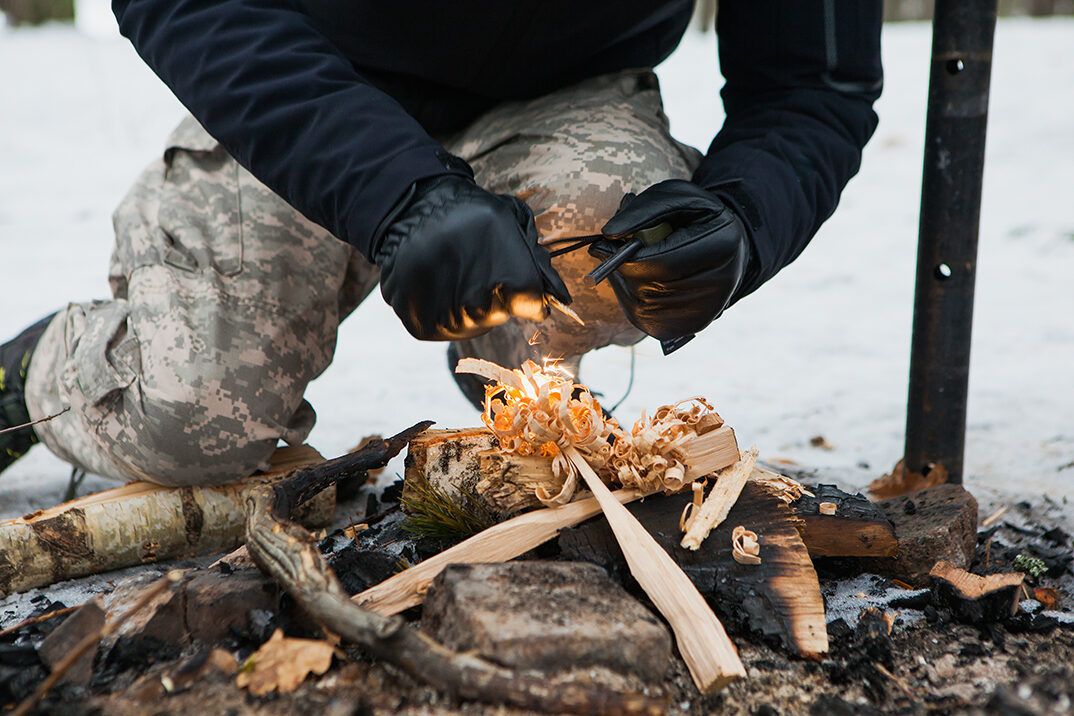
Yes, seaweed can be used as a fire starter, specifically due to its high cellulose content which can be dried and used as a fire tinder.
Seaweed can be cooked for added nutrition in survival situations, providing essential vitamins and minerals. It can be dried, roasted, or boiled to make it more
Cooking shellfish over an open fire can be safe if done correctly, but there's a risk of undercooking or contamination if not handled properly.
Solar stills can effectively purify seawater, producing an average of 1 liter of fresh water per 6-8 hours of direct sunlight, making them a valuable tool for c
A simple filtration system can be established using readily available beach materials to purify drinking water from the ocean, utilizing a combination of sand,
Optimal spots for building sand shelters include areas protected from strong winds, waves, and flooding, such as behind dunes, on slight inclines, or in natural
Yes, you can make a fire using driftwood found on beaches, but it's essential to select the right type and condition of wood.
Yes, you can navigate using coastal landmarks by identifying key features such as headlands, bays, inlets, and prominent rocks, and using them to orient yoursel
Beach plants can provide some nutrition, but they should not be the primary source of sustenance in a survival situation. Certain coastal plants can be edible,
Beach vegetation can provide some hydration options in emergencies, but it's essential to identify the right types and use them effectively.
You can survive coastal conditions for several days without gear by finding food in tidal zones, collecting freshwater, and creating a beach shelter to protect
Yes, DIY methods can be effective for trapping shellfish, such as using submerged hoop nets, tide pools, or beach seine nets, but the methods vary depending on
Common mistakes when foraging for shellfish include misidentifying species, harvesting in contaminated areas, and not checking for rip currents. This can lead t
Foraging on rocky shorelines poses hazards such as slippery rocks, sharp shells, and strong currents. Tides can quickly cut off escape routes, and uneven terrai
When harvesting shellfish, carry a sturdy rake with a head size of 12-18 inches and a handle length of 60-80 inches to efficiently gather shellfish without dama
Tides significantly influence the success of fishing near shore, as certain species of fish are more active during specific tidal cycles, and navigating the cha
For coastal survival situations, essential gear includes a first aid kit, water purification tablets or filter, and a multi-tool or knife. A whistle, flashlight
Finding fresh water in coastal environments can be challenging, but techniques such as collecting dew, using a solar still, and identifying freshwater sources l
When searching for freshwater near the shore, look for areas with low tide marks, as well as vegetation that may indicate a freshwater source. Check for shellfi
Freshwater fishing techniques near the coast often involve exploiting tidal zones, shellfish, and seaweed as bait sources. Successful anglers identify prime loc
Freshwater sources in coastal areas can be found in mangrove swamps, river mouths, and areas with high tidal activity. Look for sources of freshwater near the s
Sustainable shellfish harvesting requires responsible management to prevent overfishing, protect habitats, and maintain ecosystem balance. This involves adherin
Weather patterns can significantly impact shellfish harvesting efforts by altering the distribution and abundance of species, affecting the timing of harvesting
A safe beach for foraging can be determined by observing the tide patterns, water quality, and local regulations, while also identifying potential hazards such
To ensure your beach shelter is secure, anchor it firmly to the ground, use a robust framework, and secure any loose materials. This can be achieved by driving
Look for locations with stable ground, minimal erosion, and protection from the elements, such as dunes, beach ridges, or areas behind large boulders. Avoid low
Identify signs of dangerous marine life by recognizing physical characteristics, such as jagged skin or bright colors, and behavior patterns, like aggressive sw
Ocean waves can provide water sources, food, and shelter in survival scenarios, with the right knowledge and techniques.
Strong ocean currents can significantly impact shellfish populations by displacing or destroying habitats, disrupting reproduction, and altering the distributio
Beach shelters are at risk of being destroyed or washed away by powerful currents during storms, posing a significant threat to those seeking refuge. Currents c
Environmental changes such as sea level rise, increased storm frequency, and warmer ocean temperatures affect coastal survival methods by altering the availabil
Coastal erosion significantly impacts survival opportunities by reducing landmass, contaminating water sources, and altering tidal patterns, making it challengi
The lunar cycle affects shellfish availability due to the changing tides, which determine the timing and accessibility of these resources. Shellfish are more ea
Larger tidal waves can lead to increased turbulence and reduced shellfish availability due to sedimentation, habitat destruction, and dislodged shellfish from t
Foraging transitions from high to low tide reveal new edible resources, including shellfish and seaweed, which can be exposed and harvested during low tide. Bea
The timing of tides significantly affects shellfish harvesting, as most species are only exposed at certain times of the day. Harvesting during peak exposure in
A skilled individual can survive for several weeks or even months, depending on the availability of resources, their skills, and the environmental conditions.
Assess unfamiliar coastal plants for edibility by examining their appearance, texture, and smell, then testing a small amount to check for bitterness or toxicit
Assess the safety of a beach for shellfish gathering by examining local health advisories, checking for signs of pollution or contamination, and observing the b
To differentiate between edible and poisonous seaweed, look for vibrant colors and distinct textures, as many edible varieties have striking appearances. Be cau
To effectively signal for help if stranded on a beach, create a visible fire, use bright colors, and construct a signal mirror or flare. A well-designed signal
Identify safe seaweed by observing its color, shape, and smell. Edible seaweed is typically green or brown, has a mild odor, and does not cause skin irritation.
To prepare shellfish caught in the wild, first identify the species and its edibility, then ensure proper handling and storage to avoid foodborne illness. This
Ideal materials for constructing a beach emergency shelter include palm fronds, beach grasses, driftwood, and other readily available coastal vegetation, which
Foraging for shellfish after a storm can be safe if done properly, but requires careful assessment of water quality and potential hazards such as pollutants, he
No, it's not advisable to forage for shellfish during a beach party, as it may lead to foodborne illnesses due to contamination from pollution, bacteria, or oth
In general, it's better to forage in a group, as multiple people can more efficiently cover a larger area, identify more resources, and stay safer. However, for
Purifying seawater for drinking is feasible, but it requires a reliable and efficient process to remove salt, bacteria, and other contaminants.