03 — Pillar · Survival
Strategies for surviving in freezing conditions, hypothermia prevention, and winter tactics.
Q&A in this topic
11 total
Frostbite damage is permanent and irreversible once tissue freezes. Prevention focuses on keeping extremities warm and dry, while treatment involves gradual rew
Hypothermia occurs when body temperature drops below 95°F. Prevention focuses on staying dry, sheltered, and active. Layered clothing traps insulating air. Avoi
Frostbite begins with white or grayish-yellow skin turning hard and waxy. Progression to blistering and blackening indicates severe tissue death. Prevention foc
Snow is an excellent insulator because it contains trapped air. A snow shelter works by reducing the volume your body needs to heat. Dig a chamber 3-4 feet abov
Layering creates insulating air pockets that your body heat warms. Use a moisture-wicking base layer to move sweat away from skin, an insulating mid-layer to tr
Hypothermia occurs when core body temperature drops below 95°F (35°C), causing confusion, shivering, and lethargy. Recognize it by slurred speech, clumsiness, a
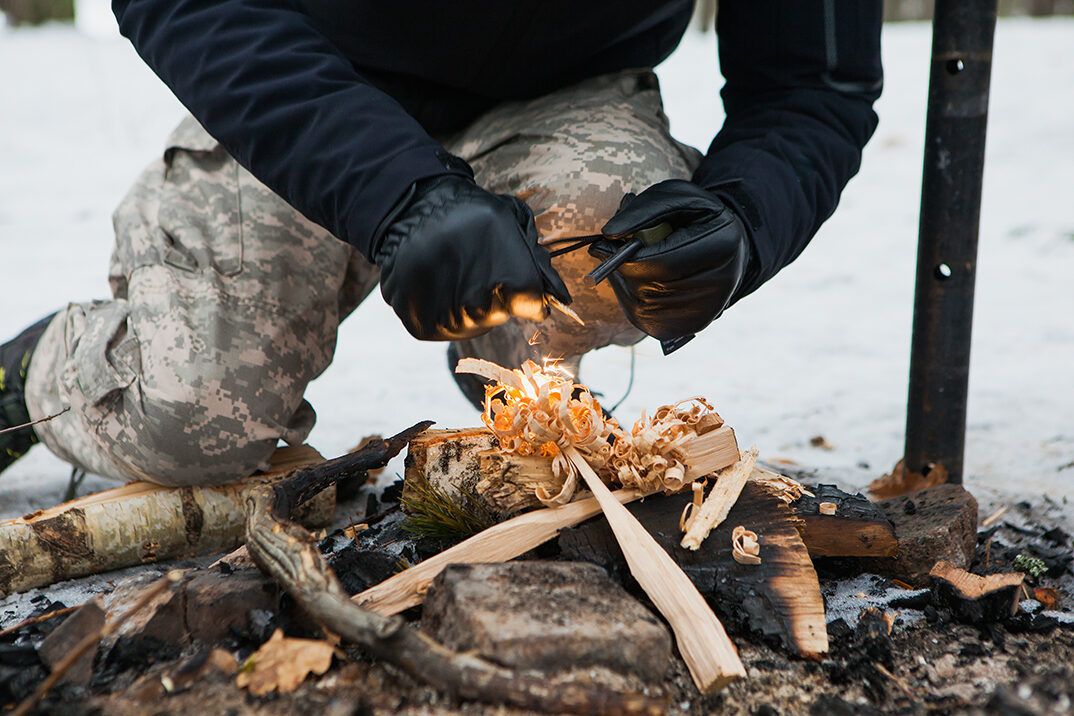
Wet wood contains moisture that must evaporate before it burns — seek standing dead wood that's protected from moisture. Birch bark strips burn even when wet. F
Hypothermia kills faster than starvation or thirst, so prioritize shelter and heat. Build insulation from the ground (it steals body heat 25 times faster than a
Essential winter gear includes insulated boots, layered clothing, hat, gloves, emergency shelter, and heat sources. Proper insulation is critical—stay dry and m
Windchill is the rate of heat loss — at -20°C with 20 mph wind, exposed skin loses heat as fast as in -40°C still air. Frostbite begins at 32°F skin temperature
Below 0°F, immediate shelter becomes essential to prevent hypothermia. Below -20°F, exposed skin freezes within minutes. Physical exertion in extreme cold incre