03 — Pillar · Survival
Expert guides and Q&A about cordage natural bark fibers.
Q&A in this topic
60 total
When making cordage, it's essential to avoid certain poisonous trees that can release toxic compounds or cause allergic reactions when their bark is processed.
Yes, some types of bark used for cordage have medicinal benefits, such as the willow bark which contains salicylic acid, a compound similar to aspirin. However,
Regional differences in bark harvesting techniques exist due to varying tree species, climate, and cultural traditions, influencing the choice of tools, timing,
Yes, there are regional laws concerning the harvesting of tree bark, particularly in areas where tree species are rare or protected.
Yes, there are signs that indicate the best bark harvesting times, including the tree's age, moisture levels, and seasonal changes.
Seasoning bark after harvesting involves several techniques to make it more pliable and easier to work with for cordage, baskets, and other crafts.
Yes, there are certain trees with bark that is not suitable for cordage due to its composition, texture, or other factors, such as being too thin, too thick, or
Cedar bark has been traditionally used to create durable and water-resistant cordage for various purposes.
Store natural cordage in a dry, airtight container, away from direct sunlight and heat sources, to preserve its strength and durability. Keep it away from moist
Harvesting bark for cordage involves careful removal to minimize damage to the tree and ensure a good yield. The best techniques involve using a curved blade or
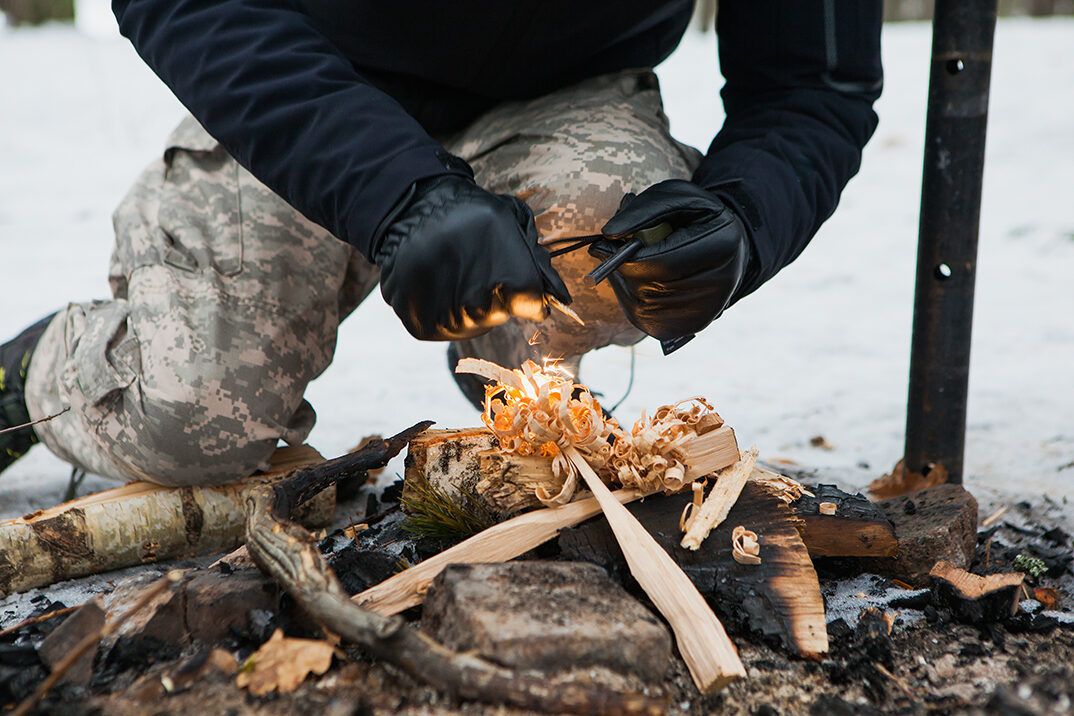
In survival situations, natural cordage made from plant fibers is a versatile resource for creating shelter, securing gear, and even starting fires. Plant fiber
Bark cordage can be an effective material for shelter building due to its durability and versatility.
Bark cordage can be safely used for fishing traps, but it requires proper preparation and drying to prevent water absorption and ensure durability.
Bark cordage can be used in emergency shelter building, but its effectiveness depends on the quality of the bark and the construction technique used.
Bark fiber can indeed serve as a viable alternative to synthetic ropes in certain situations, offering unique benefits such as biodegradability and natural resi
Harvesting bark during the wrong season can significantly affect the quality of the bark fibers, making them less suitable for cordage production.
Yes, kids can help in harvesting bark for survival projects, but under close adult supervision. They can assist in identifying suitable trees and collecting bar
Short answer: Yes, weathered bark can still produce usable cordage fibers, but the quality and quantity may vary depending on the condition and type of bark.
Short answer: Yes, braiding different types of bark can create a stronger and more durable cordage.
Yes, combining different bark fibers can create stronger cordage due to the varying tensile strengths and textures of each fiber source. The process involves se
Yes, you can create cordage from freshly harvested bark. It requires specific preparation to extract the fibers. The right species and proper techniques are cru
Dyeing bark cordage for camouflage purposes is feasible, but requires selecting the right natural dyes that will adhere well to the fibers and produce the desir
Layering bark fibers can enhance cordage durability, as it increases the overall thickness and strength of the cord. This technique is particularly useful when
Cordage can be made from bark without specialized tools, but the process is more time-consuming and requires patience. The bark of certain trees, such as cedar,
Pine bark can be used to make cordage, but it requires some preparation and technique to extract the usable fibers effectively.
You can store bark for cordage making long-term, but it requires proper drying and preservation to prevent mold, rot, or insect infestation.
Bark fiber cordage can be used for constructing fishing nets, but its durability and water resistance depend on the quality of the bark fibers and the construct
Using bark fiber for bowstrings is not recommended due to its relatively low tensile strength and high variability in quality.
Yes, bark fibers can be used in combination with other materials to create durable and versatile cordage.
Yes, you can use cordage for fishing in survival scenarios. Cordage made from natural fibers such as bark, plant roots, or cordgrass can be used to create fishi
Coyote hunting can be done using cordage for making traps by twisting and knotting natural bark fibers into snares, noose traps, and trigger mechanisms. This me
Different seasons can impact the quality of bark fiber. This is due to variations in growth rate, moisture content, and chemical composition. Fibers from trees
Different trees yield different quality cordage. Some trees produce strong, durable fibers, while others are weak and prone to breaking. The quality of cordage
The thickness of the bark does impact its cordage potential, as thicker bark often yields more fibers, which can be woven into stronger cordage.
SHORTEXPLANATION: Weather conditions significantly affect bark harvesting success, with rain, high humidity, and extreme temperatures hindering the process. Ide
Older bark is generally more suitable for cordage due to its increased density and reduced moisture content, making it easier to strip, process, and dry.
High humidity can significantly affect the processing of bark fibers, making them more prone to mold, mildew, and decay. This can lead to the breakdown of fiber
Processed bark cordage can last around 2-5 years when properly stored and used.
Processing bark into cordage can take anywhere from 30 minutes to several hours, depending on the method and desired quality of the fibers.
Check your stored natural cordage for damage every 3 to 6 months to prevent it from deteriorating. Regular inspections help maintain its integrity and effective
To ensure bark doesn't rot when processing, scrape off the outer, thin layer of loose bark, and then dry the remaining bark immediately. This prevents moisture
Efficient harvesting techniques for beginners involve understanding the plant's growth patterns, selecting the right tools, and minimizing damage to the plant a
To identify basswood for cordage creation, note its distinctive straight-grained, fine-textured wood that is often gray or light brown, and look for its large l
To identify edible trees for cordage and more, look for trees with flexible, fibrous bark, such as willow, alder, or cottonwood, which can provide strong cordag
To identify the best parts of a tree for harvest, look for straight, strong branches with minimal knots and a diameter of 1-3 inches, ideally with flexible bark
To identify the right age of trees for bark harvesting, look for trees between 3 to 20 years old, with bark that is still pliable and has a high content of cell
To make braided cordage from bark fibers, collect suitable bark, peel it into long strips, and soak them in water to soften. Then, cut the strips into uniform l
When bark is scarce, consider using plant stems, roots, and leaves to create cordage. For example, you can harvest the pith of a plant, such as a cattail or a g
Ideal bark textures for cordage making are flexible, fibrous, and have a moderate level of elasticity. Look for bark with a high concentration of long fibers, t
To repair damaged natural cordage in the field, inspect the damage, identify the type of fiber and its properties, and use suitable techniques to re-twist or re
When resources are limited, source bark for cordage by identifying suitable tree species, inspecting for signs of decay or disease, and harvesting the bark in t
To visually distinguish between various types of bark, observe the color, texture, layering, and patterns. Note the presence of ridges, grooves, and scars, as w
Bark cordage can be a sustainable long-term option for survivalists, but its feasibility depends on the tree species and environmental conditions. With proper p
Camouflage is possible with naturally dyed bark cordage, as it can be colored to match the surrounding environment, making the object or person it's used to con
Basswood is generally better for natural cordage due to its soft, flexible bark that yields longer, more consistent fibers, making it easier to work with and pr
Cordage from birch bark is often considered stronger than ash due to its unique properties and preparation techniques.
Yes, cordage from outer bark is generally different from inner bark in terms of fiber strength, durability, and ease of processing.
Harvesting bark from young trees is not recommended as it can harm or kill the tree and reduce its potential for growth and longevity. For bark harvesting, it i
Harvesting tree bark on public land is generally allowed, but regulations may vary depending on the location and type of tree. It's essential to familiarize you
It is not always necessary to soak bark before using it for cordage, but soaking can be beneficial in certain situations.