03 — Pillar · Survival
Expert guides and Q&A about cordage plant fibers dogbane.
Q&A in this topic
60 total
Yes, there are alternatives to retting for preparing dogbane fiber, including mechanical decortication and chemical treatment.
Dogbane grows best in regions with moist, fertile soils and partial shade to full sun. It thrives in areas with moderate temperatures, typically between 40°F an
To strip fiber from cordage plants like dogbane without tools, use a simple twisting motion or pinch the fibers between your thumb and index finger, then pull t
To secure dogbane cordage ends, use a simple tuck knot or a wrapped loop method, and to add extra protection, apply a small amount of plant resin or beeswax.
Dogbane can be found in open woods and prairies throughout much of North America, particularly in areas with rich soil, where it grows as a perennial herb. It t
Harvesting dogbane plants involves careful consideration of timing and technique to maximize fiber quality and minimize waste. The ideal time for harvesting is
Long-term storage of dogbane cordage requires careful drying and preservation to prevent degradation. Properly stored dogbane cordage can last for several years
Twisting dogbane cordage can be a challenging task, but mastering the right techniques will yield strong and reliable fibers. To create high-quality cordage, ha
SHOULD HARVEST DOGBANE IN LATE SUMMER TO EARLY FALL, WHEN FIBERS ARE MOST ABUNDANT AND EASIEST TO PROCESS.
Dogbane cordage durability may be affected by animal scents due to potential contamination from oils and other compounds deposited by animals. Insect and animal
Beginners can create strong cordage from dogbane, but it requires practice and patience.
Dogbane can affect local wildlife habitats by altering native plant communities, reducing biodiversity, and potentially impacting pollinators and other benefici
Dogbane can be used for bow making in primitive skills, but it requires careful preparation. The plant's fibers are relatively weak, so it may not be the best c
Yes, dogbane cordage can be dyed for camouflage.
Dogbane cordage can be used for securing shelter materials, but it should be processed correctly to achieve desired durability.
Dogbane cordage can be used for shelter construction, providing a durable and weather-resistant material for binding and securing shelter components.
Dogbane cordage can be used in primitive archery, but it has some limitations. It's relatively weak compared to other plant fibers like nettle or cattail, and i
Dogbane fiber can be coated for increased water resistance using natural and synthetic materials, improving its durability and functionality.
Dogbane fiber can be used for bow stringing, but it is not the most suitable option.
Dogbane fiber can be used for crafting fishing nets, but it may not be the most ideal choice due to its relatively weak tensile strength and potential for decay
Yes, dogbane fiber can be used for emergency fishing gear due to its strength and durability. It can be used as a fishing line, net material or even as a compon
DOGbane fiber can be used for fishing lines, but its use may be limited due to its relatively weak tensile strength and tendency to absorb water.
Dogbane fiber is somewhat resistant to wet conditions but will eventually deteriorate and lose tensile strength when submerged in water for extended periods.
Dogbane can be a valuable resource in wilderness emergency situations.
Dogbane can be effectively combined with other natural fibers to increase its strength, making it a versatile material for cordage and other applications.
Dogbane fiber can be used to create decorative items such as baskets, wall hangings, and ornaments. The process involves harvesting the plant, retting the stalk
Harvesting dogbane from public lands is generally allowed under the 1872 Mining Law, but regulations vary by state and specific land management agency. It's ess
Dogbane fiber can be incorporated into your bushcraft skills to create durable cordage, a vital component in wilderness survival. It is a readily available reso
Yes, you can make dogbane cordage without retting.
You can mix dogbane fiber with other natural fibers for added strength and durability.
Dogbane fiber can be stripped without damaging it, but care must be taken to avoid excessive water exposure and handling.
Yes, dogbane can be successfully blended with synthetic fibers, although it may require some manipulation and conditioning to achieve a uniform blend. This proc
Short Answer: While it can be more challenging to work with dogbane in cold weather, it is still possible to successfully ret the fibers with the right techniqu
Yes, you can take cuttings from dogbane for future growth, but it requires a specific approach to ensure success.
Yes, you can use dogbane fiber for emergency signaling, but it's not the best choice due to its low visibility and durability.
Yes, dogbane fiber can be used for traps or snares, but its uses are limited due to its lack of tensile strength and resistance to moisture.
Dogbane fiber can be used in combination with other survival gear for added durability and versatility.
Dogbane fiber can be used in modern outdoor gear, particularly for creating strong and lightweight cordage.
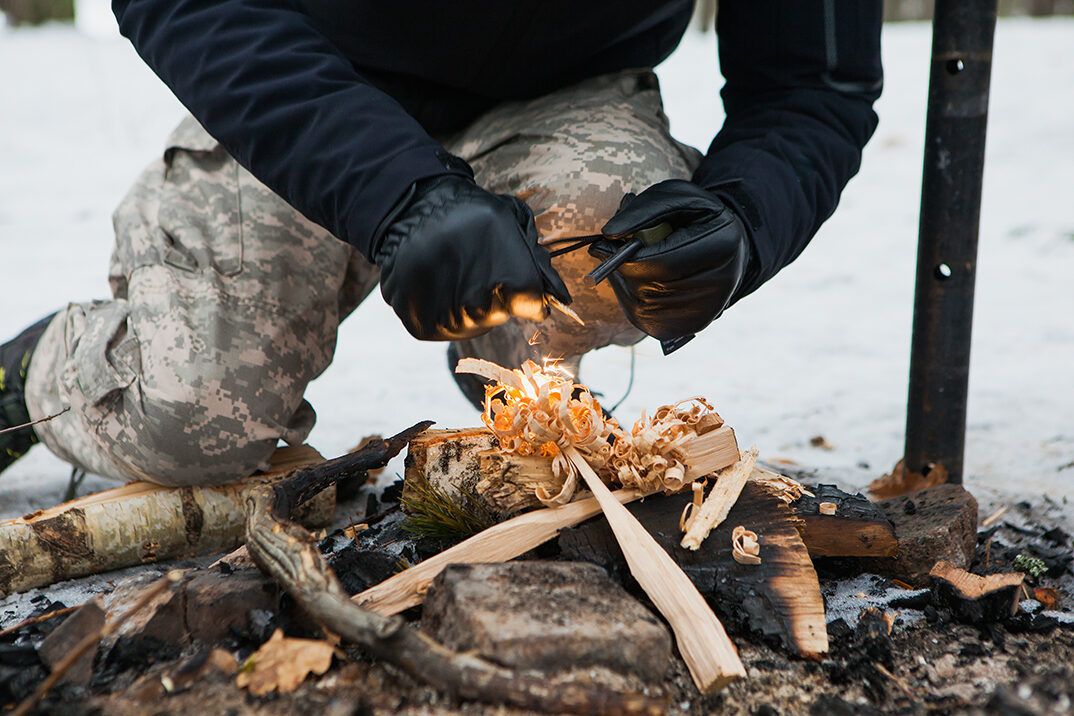
Dogbane can be used for fire starting techniques, and its resinous properties make it a suitable material for creating tinder.
Dogbane fiber is a durable and water-resistant option for cordage, making it suitable for wet or high-stress applications where other natural fibers like nettle
Dogbane (Apocynum cannabinum) requires retting to break down its cellular structure and release usable fibers. Effective retting techniques include steeping, so
Humidity affects the retting of dogbane by either accelerating or slowing down the process depending on the level and duration of moisture.
Dogbane can be an effective substitute for clothesline due to its durability and resistance to rot and insect damage, making it suitable for outdoor use.
Dogbane is traditionally used in survival crafts as a versatile and durable cordage plant.
Retrieving the fiber from the dogbane plant is a process that can take around 30 minutes to several hours, depending on the desired quality and quantity of the
For optimal dogbane twisting, use 3-5 strands. This allows for a balance between strength and flexibility while minimizing the risk of cord failure.
For basic survival projects, you'll need about 1-2 pounds of dogbane fiber, which translates to 2-4 feet of usable plant material. This amount can yield a few u
Allocate 1-2 minutes per stalk to strip the fibers from dogbane, depending on the stalk's thickness and how easily the fibers come loose.
To create a survival kit including dogbane cordage, gather dogbane plant fibers, process them into usable cordage, and store them in a waterproof container alon
Create decorative knots with dogbane cordage by twisting and braiding the fibers into a strong yet flexible rope, then shaping the rope into desired knots such
To determine the right time to strip dogbane, check for optimal sap flow by gently tugging on the stalks, which should yield a slight resistance but easily tear
To document your dogbane collection and processing, keep a detailed log of the date, location, and quantity of the plant material collected, along with notes on
To evaluate the strength of your finished dogbane cordage, pull it with a steady force while measuring the amount of stretch before breaking or snapping. Compar
Identify quality dogbane for cordage making by selecting stems with a diameter of at least 1/4 inch and a woody texture, avoiding those with excessive branching
To identify toxic look-alikes to dogbane, examine the leaves, stems, and roots closely for distinct characteristics such as leaf shape, hairiness, and the prese
To incorporate dogbane fiber in outdoor survival skills, learn to identify the plant, harvest it sustainably, and process the fibers into usable cordage. Dogban
To recognize dogbane plants, look for the distinctive white or reddish sap that oozes from the stems when cut, and the clusters of small, white or purple flower
To repair damaged dogbane cordage, inspect the damage, cut back the frayed area, and re-splice the fibers using a simple knot or a more complex technique such a
To store dogbane fiber for long-term use, properly dry the fibers to prevent rot and mold, then store them in a cool, dry place such as airtight containers or p
To test the flexibility of dogbane cordage, twist a 12-18 inch length of freshly harvested fiber into a thin cord and then bend it 90 degrees around a smooth st