03 — Pillar · Survival
Expert guides and Q&A about gear stoves solo backpacking.
Q&A in this topic
60 total
Store alcohol stove fuel in airtight, leak-proof containers to prevent spills and evaporation, and keep them in a secure, accessible location within your backpa
Alcohol stoves are generally lighter than wood-burning stoves, typically weighing in the range of 3-6 ounces, while wood-burning stoves can weigh up to 2 pounds
Alcohol stoves are a more lightweight and fuel-efficient option for solo backpacking, but canister stoves offer faster boil times and increased wind resistance.
Alcohol stoves can be suitable for high-altitude backpacking, but they require careful planning and adjustment to perform optimally. At high elevations, the low
Not all alcohol stoves are universally compatible with any fuel, as different stoves may require specific fuel types, such as denatured alcohol, methanol, or is
Canister fuels can pose health risks if not used or stored properly, including carbon monoxide poisoning, fuel leak exposure, and skin irritation from propellan
Yes, there are restrictions on wood burning stoves, particularly in terms of emissions and local regulations.
Alcohol stoves safety guidelines are essential for solo backpackers, as they can pose risks if not handled properly. These guidelines include regular maintenanc
Wood-burning stoves can pose environmental concerns due to air and water pollution, as well as potential damage to nearby wildlife habitats. They release partic
Using canister stoves indoors can be hazardous due to the risk of explosion from fuel buildup and ignition of flammable materials.
Wood-Burning Stoves in Wilderness Areas are generally prohibited or heavily regulated due to fire safety concerns and environmental policies.
Benefits of Using Alcohol Stoves Over Canister Stoves are that they are lighter, more fuel-efficient, and less expensive in the long run.
Using alcohol stoves over wood-burning options offers a more efficient, lightweight, and environmentally friendly alternative for solo backpackers, providing a
For beginners, the best alcohol stove accessories include a windscreen, pot support, and fuel bottle or canister. These accessories enhance efficiency, safety,
For budget-conscious backpackers, the best alcohol stoves are the MSR PocketRocket, the Coleman Classic, and the UCO Gear Pocket Stove, offering reliable perfor
BEST ALCOHOL STOVES FOR EXTREME WEATHER CONDITIONS are those that can withstand harsh temperatures, heavy rain, and strong winds. They include models like the M
Alcohol stoves suitable for ultralight backpacking include the Trail Designs Caldera Cone, the MSR PocketRocket 2, and the Snow Peak LiteMax.
For off-grid emergency cooking solutions, consider portable stoves like the MSR PocketRocket or the Jetboil MiniMo, which are lightweight and efficient. These s
The best fuel options for alcohol stoves while camping are denatured ethanol, isopropyl alcohol, and methanol blends. These fuels offer a high energy density an
For versatile backpacking, consider multi-fuel stoves like the MSR WhisperLite Universal, MSR DragonFly, or the Coleman Classic Camp Stove, which can burn vario
Using a canister stove for cooking on solo backpacking trips involves proper techniques and considerations for efficient fuel usage, safety, and overall perform
Store stove fuel in airtight containers, away from heat sources and open flames. Keep them in a designated fuel storage area, like a pocket on your backpack or
When transporting canisters for cooking stoves while hiking, use a canister holder or clip to secure it to your backpack, and carry it upright to prevent fuel f
The best times for solo backpacking with wood stoves are during the spring and fall seasons, when temperatures are generally mild and the risk of extreme weathe
Insulate a stove for cold weather cooking by using a heat shield or by wrapping the stove with a heat-resistant material like aluminum foil or a heat-resistant
For solo backpackers, wood-fired cooking offers a reliable and sustainable meal solution when a portable stove isn't feasible. Two essential recipes are one-pot
Alcohol stoves can be used for baking while backpacking, but they may not provide the precision temperature control needed for delicate baked goods.
Alcohol stoves can melt snow for drinking water, but they require a significant amount of fuel to achieve this task. In ideal conditions, a small alcohol stove
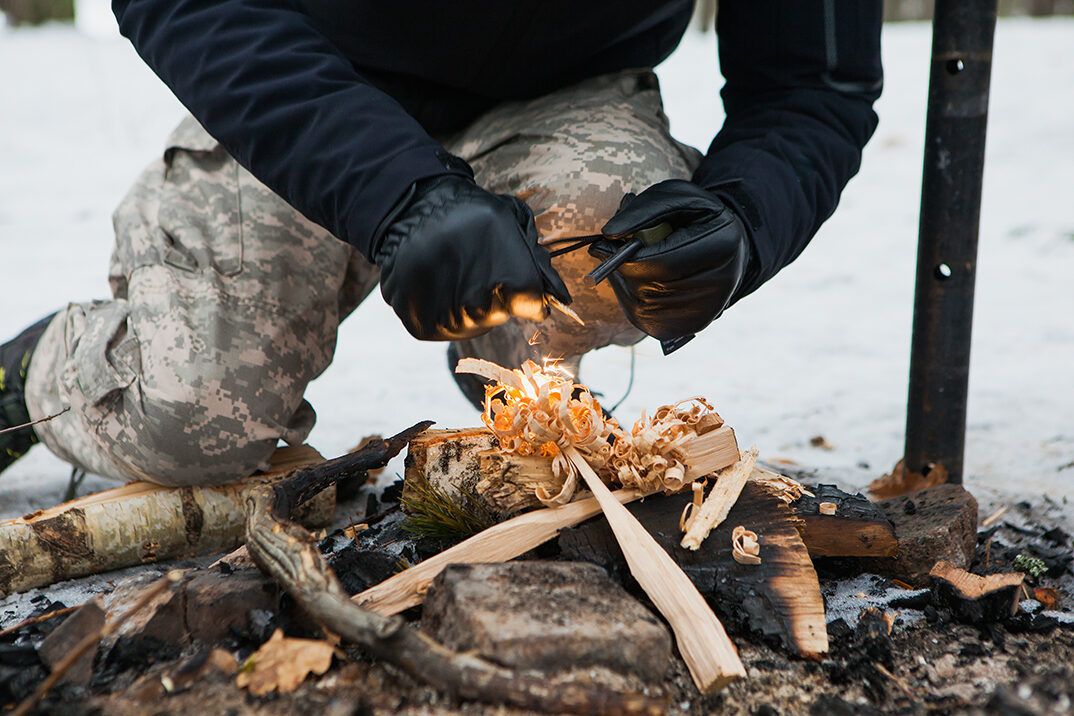
Yes, you can build a wood fire instead of using a stove in a survival or backpacking situation, but it requires proper technique and materials.
Yes, a canister stove can be used on snow, but with some precautions to prevent the stove from malfunctioning or igniting a fire.
Mixing different types of fuel in your stove is generally not recommended, as it can lead to reduced performance, increased risk of clogs, and potentially damag
Yes, you can operate a canister stove on uneven terrain, but you'll need to take precautions to ensure stability and prevent accidental fuel spills.
Yes, you can use a canister stove on a fire by placing it on a heat diffuser to protect the stove from direct heat and flames, allowing for a controlled and saf
You can use a canister stove in freezing temperatures, but it may not perform optimally due to the fuel's low vapor pressure.
A canister stove can be used in rainy conditions, but it's essential to take precautions to prevent the fuel from freezing or clogging. You can use a windscreen
Yes, you can use a Solo Stove for group cooking by stacking multiple units or using a larger pot to distribute heat more efficiently.
You can use your alcohol stove in windy conditions, but it's essential to take extra precautions to prevent accidents and ensure reliable performance.
Yes, you can use your wood stove for boiling water, but it may require some additional planning and effort compared to a portable camping stove.
Yes, you can use natural materials for fuel in a wood stove, but they may not burn as efficiently and require more maintenance.
Your stove can handle cooking for multiple people if it has a sufficient BTU output and pot support. Look for stoves with high BTU outputs (e.g., 10,000 BTU) an
Wood-burning stoves are generally not allowed in most national parks due to fire restrictions and environmental concerns, but some parks may permit use with a s
Yes, you can combine different stoves for cooking efficiency, but it requires careful consideration of stove compatibility, fuel type, and weight distribution.
No, alcohol stoves are not allowed in many national parks due to fire restrictions and environmental concerns. However, some parks allow them with a permit or u
Common Mistakes When Using Wood-Burning Stoves include failing to properly season wood, inadequate chimney maintenance and improper stove placement, which can l
Wood stoves typically produce 10,000 to 25,000 BTU per hour, while alcohol stoves usually output around 9,000 to 14,000 BTU per hour. In a backpacking scenario,
An alcohol stove typically weighs 2-5 ounces, while a wood-burning stove can range from 10-20 ounces, making the former significantly lighter option for solo ba
Alcohol stoves can leave residue on cooking gear, but the extent depends on the stove design, fuel type, and maintenance practices.
Backpacking stoves generally work well at high elevations, but their performance can degrade due to lower air pressure. This means the stove may use more fuel t
Cooking times differ between stove types due to variations in heat output, fuel efficiency, and wind resistance.
Yes, a wind shield can be beneficial for a solo backpacking stove, especially in windy conditions, as it helps to direct heat and flames towards the pot, improv
Portable wood stoves generally require dry, well-seasoned wood that is split to 1-2 inches in thickness and has a moisture content below 20% to burn efficiently
Wood-burning stoves can produce sufficient heat in cold weather, but the amount of heat depends on several factors, including the stove's efficiency, fuel quali
Wood-Burning Stoves Provide Adequate Cooking Heat in a pinch, but they are not the most efficient or reliable option for long-term cooking needs, especially for
Short Answer: Wood-burning stoves can serve as primary cooking sources in a solo backpacking setup, but additional gear is often necessary to optimize their per
Yes, you will need some special equipment for a wood-burning stove, including a stove, fuel, and a chimney or ventilation system, to ensure safe and efficient o
Fuel Type Affects Cooking Times on Backpacking Stoves because different types of fuel have varying energy densities and combustion characteristics, which impact
Most backpacking stoves have fuel consumption rates that range from 20 to 60 grams per hour, depending on the stove model, wind conditions, and fuel efficiency.
Canister stoves generally perform poorly in low oxygen settings, such as high altitude or dense forest, because they rely on a consistent airflow to function ef
Wood-burning stoves can be an efficient way to cook food in the wilderness, producing temperatures of up to 500°F and cooking water in 10-20 minutes, though the
It takes approximately 10 to 20 minutes to boil water on a wood stove, depending on the stove's efficiency, wood quality, and water volume.