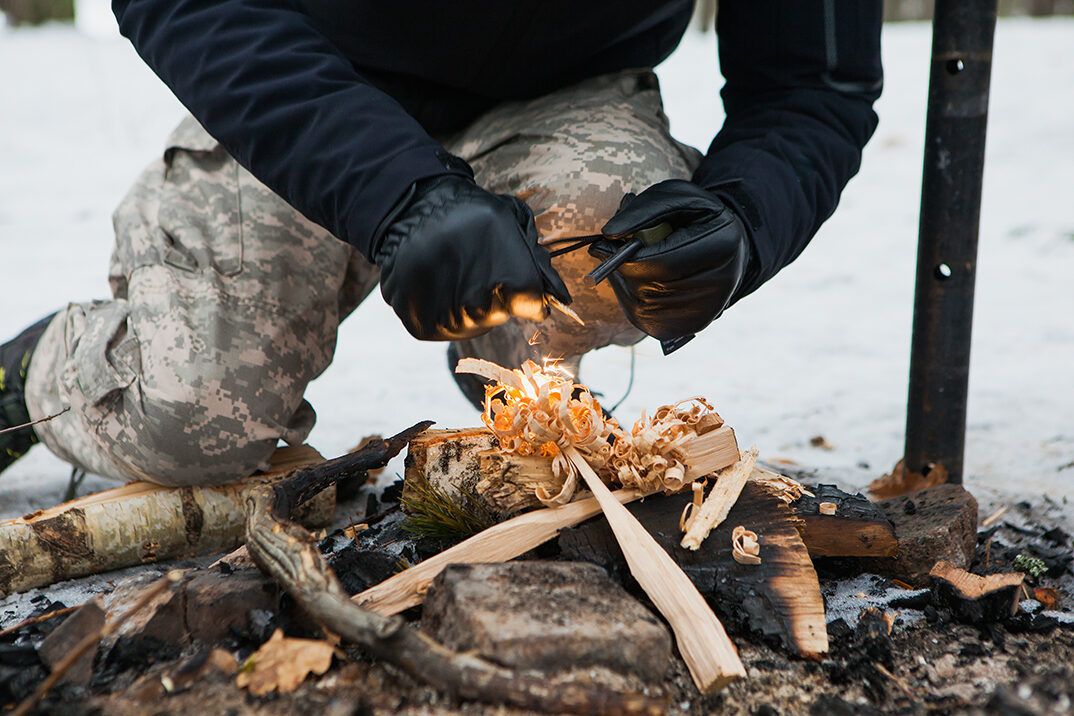
03 — Pillar · Survival
Expert guides and Q&A about hurricane preparedness.
Q&A in this topic
60 total
Gas generators are a worthwhile investment for hurricane preparedness, providing a reliable source of power for critical appliances and communication during ext
Heavy tarps can be effective for hurricane preparedness, providing protection from wind-driven rain and debris. They can be used to cover windows, doors, and da
Portable Toilets are a necessity in hurricane shelters due to the limited bathroom facilities and the risk of sewage systems being compromised.
Yes, local regulations for home repairs after hurricane damage vary by jurisdiction, often requiring permits, inspections, and adherence to building codes, such
Yes, there are regulations for building hurricane-resistant structures, primarily enforced by local governments and the International Building Code (IBC).
Re-entering a damaged home poses specific hazards such as gas leaks, structural instability, and electrical hazards. Homeowners must exercise extreme caution to
Coastal residents face higher risks from storm surge, flooding, and strong winds, while inland residents are more vulnerable to heavy rainfall, tornadoes, and p
For hurricane tracking and emergency alerts, consider downloading the Weather Underground, Dark Sky, and The Weather Channel apps. These apps provide live updat
Identify the strongest and most interior parts of your home, typically the basement or a storm cellar, as the best locations for setting up a hurricane shelter.
To effectively board up windows before a hurricane, use 1/4 inch plywood or 3/4 inch oriented strand board (OSB) cut to fit your windows, and secure them with 3
MANAGING ANXIETY DURING HURRICANE EVACUATIONS involves preparing mentally, staying informed, and maintaining a healthy routine. Focus on what you can control an
When cooking during hurricane power outages, use portable gas stoves, charcoal grills, or camping equipment to prepare meals safely outdoors. Always follow basi
When using a chainsaw after a hurricane, prioritize personal safety by wearing protective gear, maintaining a secure cutting stance, and regularly checking the
For learning about hurricane evacuation plans, residents should contact their local emergency management office or visit the Federal Emergency Management Agency
To protect your home's windows from hurricanes, install impact-resistant shutters or impact-resistant glass, and secure all exterior doors and windows with rein
During a hurricane emergency, the best ways to communicate with family members are through a designated meeting point, a pre-arranged contact person, and a reli
Store important documents in a waterproof container, such as a plastic bin or a fireproof safe, and keep them with you or in a secure location outside the hurri
Short answer: Yes, a hurricane can cause long-term water supply issues due to flooding, power outages, and contamination of water sources.
You can boil water safely during a hurricane power outage by using alternative heat sources, such as a portable camping stove, a propane burner, or even a fire.
Yes, outdoor vegetable gardens can be protected from hurricanes with proper planning, preparation, and design.
It's generally not recommended to stay in a hotel during a hurricane evacuation due to overcrowding, limited supplies, and potential power outages. Hotels may r
It's highly unlikely to survive a Category 5 hurricane in a mobile home due to its inherent structural vulnerabilities. The mobile home's lightweight frame, lac
A portable solar generator can be used during a hurricane, but it's crucial to carefully plan and prepare for its use, ensuring the device is properly secured a
Using cash during a hurricane emergency can be beneficial for immediate purchases, such as food, water, and first aid supplies, as it can help avoid potential p
Yes, many household items can be repurposed as makeshift hurricane supplies, helping to increase preparedness and reduce reliance on external resources.
Yes, you can use regular household items for hurricane supplies, but prioritize essential items and stock up on non-perishable food, water, and first aid kits.
Common Mistakes To Avoid When Preparing For A Hurricane Evacuation:
Common signs of structural damage after a hurricane include visible cracks in walls and ceilings, sagging roofs, and water-damaged drywall and flooring.
Essential emergency supplies for hurricane season include a minimum of 1 gallon of water per person per day, 3-day supply of non-perishable food, first aid kit,
To find the best evacuation routes before a hurricane, check the Federal Emergency Management Agency (FEMA) website for official evacuation maps and routes, and
Having an emergency contact list for hurricanes is crucial for ensuring your family's safety and well-being during the storm and its aftermath. It allows you to
Power outages after a hurricane can last from a few days to several weeks, depending on the extent of the damage and the effectiveness of the repair efforts. In
A good rule of thumb is to stock up on 1-2 gallons of fuel per vehicle, in addition to a separate supply of at least 5 gallons for generators or portable stoves
Review your emergency plan for hurricanes every 6 to 12 months to ensure it remains current and effective.
After a hurricane, it's essential to assess damage to your property and surroundings to ensure your safety and the safety of your loved ones. You should look fo
To barter supplies after a hurricane emergency, identify valuable items in your possession, such as non-perishable food, bottled water, and first aid equipment,
To build a DIY hurricane preparedness kit for families, gather essential supplies, including food, water, first aid, and communication tools, and store them in
Clearing debris safely after a hurricane requires caution, the right equipment, and a well-planned approach. Use personal protective gear, including gloves, saf
Create a hurricane emergency communication plan by designating a meeting point, assigning a contact person, and establishing a communication method, such as a f
Discussing hurricane preparedness with children requires a balance of education, reassurance, and practical planning. Parents and caregivers should be honest ab
For hurricane preparedness, find community resources by contacting local emergency management offices, visiting government websites, or attending town hall meet
When a hurricane warning is issued, it's crucial to know where to find emergency shelters for safe evacuation. These shelters are usually designated by local au
To identify flood risks near a river, look for signs such as erosion, sediment buildup, and changes in water color or velocity. Check for flood maps and warning
Safe areas in your home during a hurricane are typically interior rooms and hallways that are not prone to flooding, wind damage, or structural collapse. These
Keep your essential medications safe during a hurricane by storing them in a waterproof container, keeping them with you during evacuation, and following the ma
Make your home more hurricane resistant over time by installing impact-resistant windows, reinforcing doors, and trimming trees and shrubs to minimize potential
Prepare your vehicle for evacuation by filling up on gas, checking the battery, oil, and tire pressure, and gathering essential supplies such as food, water, an
To prevent mold growth after hurricane flooding, remove standing water, dry the area thoroughly, and use a dehumidifier or fans to reduce moisture levels. Use b
To reinforce your roof against hurricane winds, secure loose items, trim trees and shrubs, and consider installing impact-resistant roofing materials or hurrica
To safely remove water from basements after flooding, start by turning off the main electrical power and gas supply, then use a submersible pump to remove 3-4 i
Securing important medical supplies before a hurricane hits is crucial for maintaining health and preventing complications during and after the storm. Stock up
Secure outdoor furniture before a hurricane hits by removing or tying down loose items to prevent damage and injury from flying debris.
When the power is out during a hurricane, staying informed is crucial for staying safe. Use a NOAA Weather Radio, a battery-powered radio, or a hand-crank radio
Community resources play a vital role in hurricane preparedness by providing essential services, such as evacuation assistance, emergency shelter, and supply di
A hand-crank radio is a valuable asset during hurricane season due to potential power outages and communication disruptions.
A hurricane preparedness app can be a valuable tool for staying informed and up-to-date on real-time updates, evacuation orders, and critical information during
Flood insurance is not mandatory in areas outside of designated flood zones, but it's still a wise investment for homeowners due to the potential for flash floo
Returning home immediately after a hurricane can be hazardous due to potential hazards such as downed power lines, fallen trees, and structural damage to homes.
Evacuating early is better than waiting until the last minute, as it allows for a safer and more controlled exit, reduces the risk of accidents and congestion,
Yes, it is necessary to prepare for hurricanes even in low-risk areas, as unexpected storm paths and severe weather conditions can still cause significant damag