03 — Pillar · Survival
Expert guides and Q&A about lost hiker protocol.
Q&A in this topic
60 total
When lost in the woods, forage for wild edibles such as dandelion greens, wild berries, and mushrooms like Morel or Chanterelle, but only if you're confident in
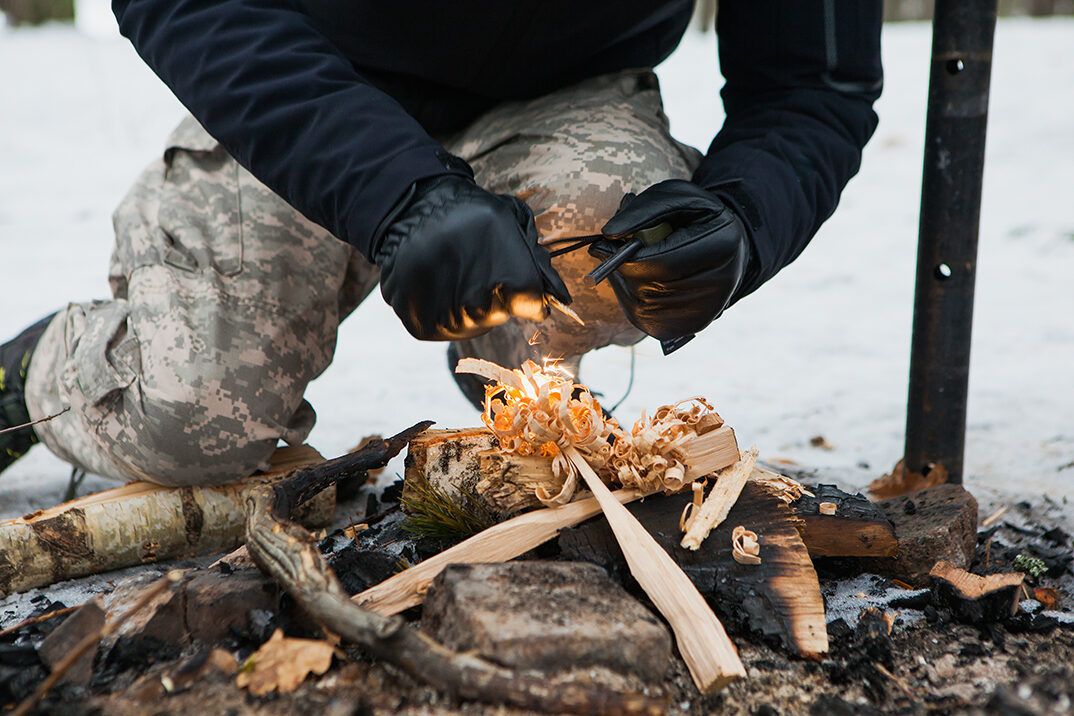
To build a fire while waiting for rescue, gather tinder, kindling, and fuel, and use a fire starter or lighters to ignite, aiming for a controlled flame.
When lost in the wild, locate a water source by following animal tracks, observing vegetation patterns, and identifying possible water features such as streams,
To make noise without attracting wildlife, use high-pitched sounds above 20 kHz, such as whistling or shrill bird calls, which are less appealing to animals. Al
To survive a cold night as a lost hiker, focus on staying warm, signaling for help, and conserving energy. Choose a sheltered spot with dry wood for a fire, and
A well-stocked survival kit, combined with knowledge of the STOP method (Stay Calm, Think Clearly, Observe, Plan, and Take Action), is crucial for lost hikers i
The best time for hiking with minimal risk of getting lost is during the spring and fall seasons when the weather is mild and fewer people are on the trails. Th
A signal mirror can be helpful in a dense forest, but its effectiveness is limited by the surrounding foliage. The mirror's reflective surface can only be seen
Cellphones are not reliable for navigation when hiking due to limited battery life, poor signal reception, and the risk of getting lost in the first place.
While survival without a plan is extremely challenging, it's not impossible. With the right mindset and basic knowledge, you can increase your chances of surviv
Lost hikers often face dire situations due to common myths, such as believing they must walk out to be rescued or that signaling for help is a waste of time. In
In emergency situations, signaling for help is crucial. The best methods for attracting attention include using smoke signals, mirrors, and flares, as well as c
For lost hikers facing cold weather, essential gear includes a space blanket, warm hat, gloves, water purification tablets, and a signaling mirror. A reliable l
For a lost hiker, essential items to stay put in the wilderness include a water filter or purification tablets, a warm and waterproof shelter, and a means of st
To survive alone in the wilderness, you must possess essential skills in finding and purifying water, building a shelter, and starting a fire, as well as knowle
When lost, use natural resources to create visible signals that can be seen from a distance, such as smoke during the day and fire at night, and make noise with
Terrain greatly affects your chances of being found, with open areas and elevated positions increasing visibility and accessibility.
Terrain can significantly impact your visibility to searchers, making it crucial to consider the lay of the land when staying put or attempting to be rescued.
Weather significantly impacts the survival chances of lost hikers, with extreme temperatures, precipitation, and wind posing life-threatening risks. Hikers in s
Knowing Basic First Aid for Hikers is crucial, as it can significantly increase chances of survival in emergency situations. A well-trained hiker can stabilize
A person can survive without food for 3 to 6 weeks, depending on factors like age, sex, and physical condition. However, survival time can be significantly shor
A lost hiker can survive without water for 3-5 days in a temperate climate, assuming they have access to shade, clothing, and a means of starting a fire.
When lost in the wild, prioritize tasks by first identifying a safe location, then signaling for help, and finally conserving energy by staying put rather than
To build a shelter while waiting in the wilderness, gather three sturdy sticks, lean them against a tree, and cover with leaves, grasses, or a space blanket to
Conserve Energy While Waiting for Rescue: Stay Put and Signal. Use the STOP method to assess your situation, Stay in one place, Observe your surroundings, Proce
Create a visible distress signal from above by using bright colors, reflective materials, and high-visibility shapes, and place them in a location that can be e
Identifying animal trails can be crucial when searching for help as a lost hiker. Look for signs of consistent foot traffic, such as parallel tracks and worn ve
Safe water sources can be identified by observing the environment, looking for signs of water flow, and using basic tools to purify the water.
Focusing on survival skills and mental preparation can help maintain a positive mindset when facing adversity. Practicing relaxation techniques and reframing ch
To keep warm when stranded overnight in the wild, create a shelter, layer clothing, and use body heat retention techniques. Start a fire for warmth and signalin
To maintain visibility to search parties during the day, create a smoke signal, use brightly colored clothing, and arrange visible landmarks or signals.
To make your presence known without leaving your spot, use loud, repetitive sounds, and visible signals, such as whistling, yelling, or flashing a mirror in sun
The best way to mark your location when lost is by creating a visible and durable signal, such as a fire, a smoky fire, or a brightly colored signal with reflec
To maximize fire visibility for aerial searchers, create a fire that is at least 2-3 feet in diameter, ideally during the daylight hours when rescue teams are m
When lost outdoors, it's essential to prepare for potential injuries by carrying a basic first aid kit, knowing basic first aid techniques, and staying put to c
To prepare mental strategies for survival situations, focus on staying calm, assessing risks, and setting goals. Develop a clear plan, prioritize needs, and use
Read the sky for weather changes while lost by observing cloud formations, wind direction, and temperature fluctuations. Identify specific cloud types, such as
To recognize edible plants while lost in the woods, look for plants with broad leaves or lobed leaves, and familiarize yourself with common edible wild plants s
Look for specific patterns, such as aerial surveys or ground searches, by observing distinct flight paths, noise levels, or visible equipment deployment, indica
To remain motivated while waiting for assistance, focus on conserving energy, signaling for help, and maintaining a positive mindset through mental preparation
STAY HYDRATED WHEN RESOURCES ARE LIMITED BY FINDING ALTERNATIVE WATER SOURCES, RATIONING WATER, AND USING WATER CONSERVATION TECHNIQUES TO MAXIMIZE YOUR SUPPLY.
Maintain a positive mindset by focusing on survival tasks, setting daily goals, and using the STOP method to stay put and conserve energy until rescue.
To use a whistle effectively for signaling rescue, produce a clear, loud, and prolonged sound for at least 6-8 seconds, followed by a 2-second pause, and repeat
To attract attention while lost, use sound to alert potential rescuers by making loud, repetitive noises, such as whistling, shouting, or banging objects, for a
Use terrain features to navigate while lost by identifying and following recognizable landmarks, such as ridges, streams, and valleys, and stay oriented using t
When lost in the wild, utilize natural landmarks to assess your surroundings, identify potential escape routes, and create a mental map to aid in navigation. Ta
A map and compass are still essential tools for lost hikers, providing a reliable means to navigate back to civilization. They are particularly useful when pair
It's generally not advisable to try and find a trail when lost, as this can lead to further disorientation and exhaustion, increasing the risk of a life-threate
Staying in place is generally the safer option, as it allows you to conserve energy, signal for help more effectively, and avoid further navigational errors. Ho
Yes, it is possible to signal for help without gear, using natural resources and creative methods.
It's safer to wait for rescue when lost, as attempting to navigate can lead to further disorientation, increased risk of injury, and exhausting precious energy.
A survival blanket can be a wise choice in cold weather as it can help retain body heat and reduce heat loss, but it should be used in conjunction with other su
When choosing a survival location, consider factors such as accessibility, shelter, water, and visibility. A location with a clear view of the surrounding area
When deciding to move after getting lost, prioritize staying put and signaling for help, unless you can determine a safer route with a clear escape from danger.
To implement the STOP method for lost hikers, follow these key steps: Stay Put, Think, Observe, and Plan. This protocol helps hikers assess their situation, con
The STOP method is crucial in lost hiker survival protocol because it emphasizes the importance of staying put, observing and assessing the situation, and then
Staying put offers better survival odds for a lost hiker, as it reduces the risk of getting lost further, conserves energy, and allows for easier signaling to p
Staying put is generally safer for a lost hiker, as it reduces the risk of getting further lost, encountering harsh weather, or exhausting energy reserves, allo
When encountering wildlife while lost, stay calm, assess the situation, and prioritize staying safe. If possible, slowly and calmly back away from the animal wh
To build a shelter with limited resources, use readily available materials such as branches, leaves, and pine needles to create a simple lean-to or debris hut.