03 — Pillar · Survival
Expert guides and Q&A about prepper fuel stockpile.
Q&A in this topic
60 total
Small fuel supplies can be sufficient for off-grid cooking if managed efficiently, but it ultimately depends on the specific cooking methods, stove types, and f
Aviation fuel requires special considerations for storage due to its volatility and sensitivity to contamination. It must be stored in a well-ventilated area, a
Storing biodiesel requires specific considerations to prevent degradation, contamination, and safety hazards. Biodiesel is prone to oxidation and acid formation
Yes, specialized containers are designed for storing aviation fuel, ensuring safe handling and containment of its volatile nature.
For storing propane safely, consider using steel containers with a minimum thickness of 0.100-inch for smaller sizes and 0.125-inch for larger sizes, and a capa
Rotate stored fuels every 6-12 months to maintain potency and prevent degradation. Use a \
Secure your fuel supply by using a fuel lock, placing fuel containers in a secure, locked shed or fenced area, and storing fuel in quantities that minimize wast
To prevent fuel theft from your storage, consider using a secure container with a locking mechanism, hiding the location, and implementing a tracking system. Ke
For long-term propane storage, consider purchasing from large industrial suppliers, online retailers that sell in bulk, or local hardware stores that offer comp
Label homemade fuel containers clearly with the contents, date, and your initials to prevent misidentification and ensure safe handling. Use a permanent marker
When handling fuel on a job site, follow proper protocols for storage, transportation, and use to prevent fires, explosions, and other hazards. This includes us
Transport fuel in approved containers, away from heat sources and open flames, and never in the passenger compartment. Secure fuel containers to prevent shiftin
Fuel stabilizers can be used with kerosene, but it is crucial to choose a product specifically designed for kerosene.
Fuel stabilizers can improve propane performance by preventing moisture and contaminants from accumulating in the fuel tank, which can cause corrosion and clog
Fuel stabilizers can prevent engine damage from old gas by slowing down the degradation process, but they are not a permanent solution and require regular use.
Yes, gas stabilizer can effectively extend the shelf life of gasoline, diesel fuel, or other petroleum-based liquids by inhibiting the growth of microorganisms
Yes, you can mix different gasoline grades in your stockpile, but it's essential to follow specific guidelines to avoid damage to equipment and vehicles.
You can recycle old gasoline with fuel stabilizer, but it's not a complete solution. Fuel stabilizers can help prevent degradation, but they can't remove existi
Blending old gasoline with fresh fuel is not recommended due to the risk of contamination, decreased fuel quality, and potential engine damage.
Fuel stabilizers can only prevent fuel degradation, not reverse it, so they won't restore fuel that has already gone bad. If you've stored fuel for more than a
Gas stabilizers are not designed for propane, which is a different type of fuel that already has inherent stability. Using a gas stabilizer with propane would b
Using lower-grade gasoline for long-term storage is generally not recommended due to potential degradation and contamination risks.
YES, natural gas can be used for off-grid cooking, but it requires specific equipment and safety precautions.
Old propane tanks may be reused but first, you must ensure they are safe and compatible with your new storage needs.
Regular gasoline is not the recommended choice for off-grid generators due to its low viscosity and high vapor pressure, which can cause engine problems and red
Yes, you can use stabilizers for both gasoline and diesel, but be aware that the recommended dosages and mixing procedures may differ.
Yes, stored gasoline can be used in small engines, but the age and quality of the fuel must be considered.
Using fuel stabilizer can affect engine performance by reducing the likelihood of corrosion and phase separation in the fuel system, but it can also cause issue
Stabilizers are necessary for both gasoline and diesel fuel, but the types and concentrations may differ. For gasoline, use a stabilizer with a high octane rati
Ethanol content affects the shelf life of gasoline, as it can cause phase separation and degradation of the fuel over time, reducing its potency and potentially
Fuel can degrade at varying rates depending on storage conditions, including temperature, humidity, and exposure to air and light.
Storing fuel in a garage can increase fire risk, as fuel vapors can ignite from sparks or heat sources.
Replace fuel stocks every 6-12 months to maintain viability and prevent spoilage, considering factors such as storage conditions and fuel type. Rotate fuel to e
As a beginner, stockpiling fuel is crucial for long-term sustainability, especially in the event of power outages and emergencies. Essential tips for fuel stock
Seasonal changes impact fuel storage practices as moisture levels and temperatures fluctuate, affecting fuel quality and shelf life. Preppers must adjust storag
High humidity can cause stored fuels to degrade, lose potency, and become unstable due to condensation, mold, and bacteria growth. This can lead to reduced burn
Propane typically remains usable for 10-15 years if stored properly in a cool, dry place away from direct sunlight. However, its energy content and pressure may
An average household can store up to 100 gallons of propane to power essential appliances like refrigerators, stoves, and generators during a prolonged power ou
Check your fuel inventory at least once a month, ideally on the first day of every month, to ensure you have enough to last through the next 3-6 months in case
Check the condition of your fuel every 6-12 months, and immediately after any storage changes. This frequency ensures you can identify and address potential iss
Replace propane tanks in storage every 10 to 15 years, or sooner if they show signs of rust, corrosion, or swelling. This ensures the tanks remain safe and func
Clean fuel containers before refilling by emptying them, rinsing with at least 3 gallons of water to remove sediment, and then drying with a clean cloth or towe
To choose the right size for fuel storage tanks, determine your fuel needs based on your generator or vehicle usage, then select tanks that meet or exceed those
To create a fuel storage plan for emergencies, prioritize your most critical needs, determine your fuel requirements, and develop a safe storage and rotation st
Ensure good airflow in your storage area by installing a roof vent, maintaining a 6-inch clearance around storage units, and using a 12-inch-wide exhaust fan to
Identify fuel leaks in storage by visually inspecting containers for signs of oil or fuel residue, and check for musty odors or hissing sounds. Use a UV dye tes
Leaks in propane storage systems can often go undetected, causing a significant safety risk and potential financial loss. To identify leaks, one must check for
To maximize the shelf life of stored gasoline, use a fuel stabilizer and store it in a well-ventilated, cool, and dark place, such as a plastic container or a f
Organize fuel storage for easy access by categorizing fuels and assigning a specific location for each type. Designate a clear 'first in, first out' practice to
To prevent fuel contamination in storage, use new, clean containers, ensure proper sealing, and maintain a consistent, clean environment. Regularly inspect for
Properly ventilating a fuel storage area involves ensuring a minimum of 6 inches of clearance around the storage containers, installing vents with a minimum of
Dispose of expired fuel by taking it to a hazardous waste collection facility or a designated household hazardous waste collection day. If you cannot take it to
Dispose of old fuel by draining it into a leak-proof container, labeling it clearly, and taking it to a hazardous waste collection facility or a designated fuel
To safely refill your propane tank, ensure it's fully disconnected from appliances, located in a well-ventilated area, and turned off with the valve closed. Use
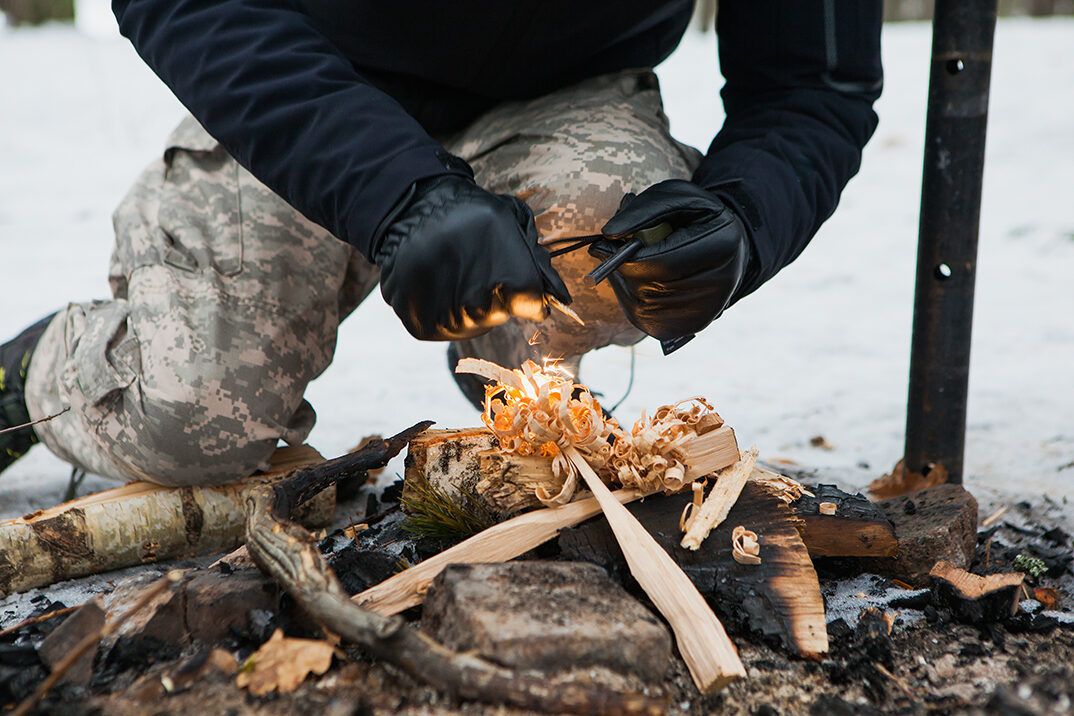
To safely start a fire with stored fuels, begin by ensuring proper ventilation and a safe distance from flammable materials. Use a fire starter or lighter to ig
To safely use a fuel pump for refueling, ensure it's grounded, keep a fire extinguisher nearby, and avoid overfilling to prevent spills and fires.
Check for sediment, water, or a cloudy appearance in the fuel, and perform a simple water test by mixing a small amount of fuel with water in a clear container;
Use up old fuel efficiently by checking the expiration date, inspecting the fuel for contamination, and prioritizing its use in low-temperature applications whe
Store portable fuel tanks in a dry, well-ventilated area, protected from direct sunlight and extreme temperatures, ideally between 50°F to 80°F (10°C to 27°C).
IDEAL_TEMPERATURE_RANGE_FOR_FUEL_STORAGE: Store fuel in a location with a temperature range between 40°F (4°C) and 70°F (21°C). Extreme temperatures can cause f