03 — Pillar · Survival
Expert guides and Q&A about scenario vehicle stranded snow.
Q&A in this topic
60 total
Emergency blankets are somewhat effective for heat retention in vehicles, primarily due to their reflective material properties. However, their effectiveness ca
Homemade signal devices can be effective in snowy conditions, particularly when combined with other signaling methods such as whistling or shouting. However, th
Portable battery chargers are a must-have for winter travel due to the cold weather's effect on battery life.
Wearing 2-3 layers of clothing, including a base layer, insulating layer, and waterproof outer layer, is ideal for snowy car stranding situations.
Regional differences in survival techniques for snow stranding arise from varying snow conditions, climate, and terrain across different areas.
Risks of using a candle for light and warmth inside a car include carbon monoxide poisoning, fire hazards, and oxygen depletion.
Yes, there are specific items to avoid in a winter survival kit to ensure effectiveness and safety. These include perishable foods, unnecessary heavy items, and
When leaving your vehicle for shelter in a snow-stranded scenario, assess the risks by considering factors like wind direction, vehicle location, and potential
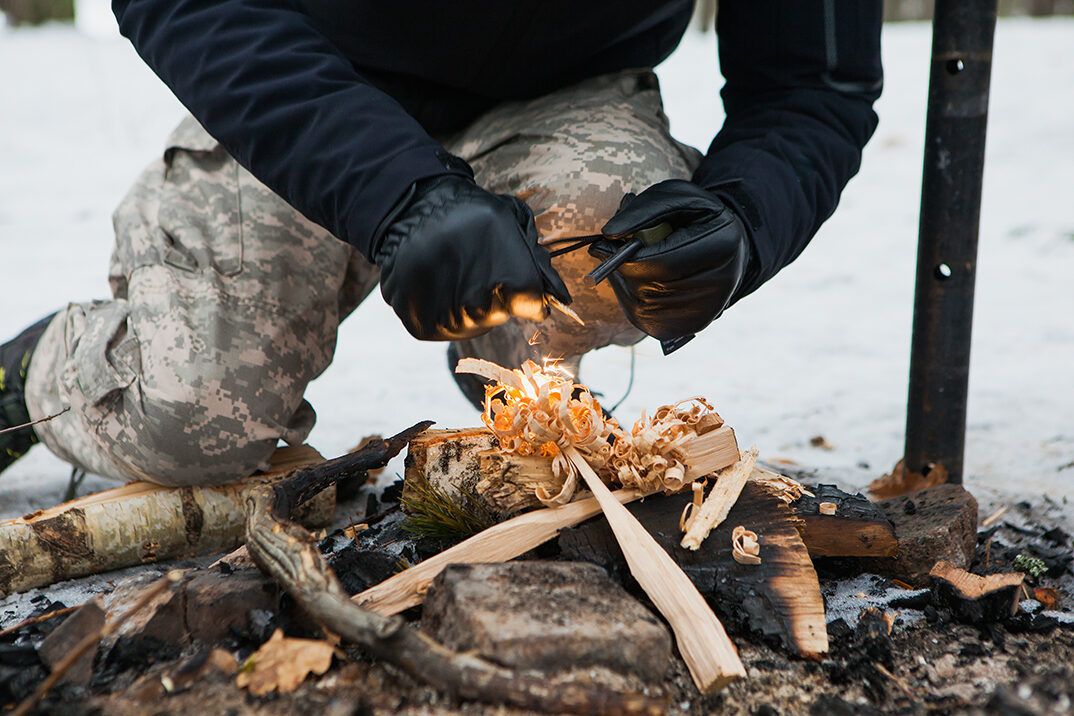
To build a signal fire near your vehicle, use dry, easily ignitable materials such as dry leaves, grass, and small twigs, arrange them in a teepee structure, an
Keep a safe distance from your vehicle when building a campfire to avoid potential fire hazards. Clear a 10-foot radius around the fire and vehicle to prevent s
Ventilating car windows in snowy conditions is crucial to prevent fogging and maintain visibility. Drivers should ensure proper ventilation to avoid reduced vis
For a vehicle stash in winter, consider emergency rations like freeze-dried meals, energy bars, and high-calorie nuts, which provide sustained energy and can wi
While stranded in the snow, gathering attention quickly is crucial for rescue. Create a visible signal fire, use whistle blasts as a loud attention-grabber, and
To signal for help from an immobilized car in a snowy environment, use flares, mirrors, or brightly colored clothing to attract attention, and create a visible
Animals can indeed help signal for rescue during a snow stranding by creating a visible path or attracting the attention of rescuers.
Insulating your windows can significantly help retain heat in a cold environment, such as a stranded vehicle in snowy conditions, by reducing heat loss through
Opening a window can slightly reduce carbon monoxide buildup, but it is not a reliable method to prevent it. This is because carbon monoxide is a colorless, odo
Over-exertion in snow can significantly increase the risks when stranded, as it compromises physical strength, judgment, and the ability to respond effectively
Seating positions can significantly affect your body's heat retention, especially in cold environments. Sitting in a way that minimizes exposure to cold surface
WARM AIR FROM ENGINE CAN HELP HEAT THE CABIN BY CIRCULATING HEAT FROM THE ENGINE TO THE CABIN, BUT IT DEPENDS ON THE VEHICLE'S DESIGN AND THE CIRCUMSTANCES.
Yes, you can make a snow shelter near your stranded vehicle, which can provide temporary protection from wind, cold, and snow.
Yes, you can melt snow for drinking water while stuck in a car, but it's essential to do so safely and efficiently.
You can use a blanket effectively for insulation in a vehicle, but it's essential to use it correctly to maximize its benefits.
Heat packs can be used to stay warm in a vehicle, but they should be used in conjunction with other heat sources and safety precautions.
Yes, snow can be used as a temporary insulation for your vehicle in extreme cold weather conditions, but its effectiveness depends on the quality and thickness
Yes, you can use your car's radio to signal for help, but it's essential to use it correctly to maximize visibility and effectiveness.
Yes, you can use your phone to signal for help even if service is unavailable, by using the flashlight or camera to flash a message, or by using the phone's phy
Yes, carrying extra fuel in winter is crucial for emergency situations, such as being stranded in snow. A minimum of one extra gallon of fuel per 10 gallons of
Covering a vehicle with snow can provide some insulation, but it's not a reliable method and can actually cause more harm than good in the long run.
Keeping the heater on for extended periods increases carbon monoxide risk due to incomplete combustion of fuel, which can lead to the accumulation of this toxic
Yes, your location affects the best survival strategy in snow, as it determines the severity of weather, accessibility to resources, and potential hazards like
To determine if fuel is running low in a stranded situation, check the fuel gauge. If it's not working, estimate based on the number of hours driven, typical fu
A car can run for approximately 200 to 400 miles, depending on the engine type and fuel efficiency, before running out of fuel when driven continuously. However
2-4 people can safely stay warm in a vehicle together, depending on the vehicle's size, insulation, and the occupants' ability to conserve body heat and manage
Check fuel levels every 6-8 hours when stranded in the snow to ensure you have enough fuel to start your vehicle again, and to make adjustments to your heating
Check outside conditions at least every 30 minutes to an hour, adjusting frequency based on changing weather, visibility, and daylight hours. This will help you
When leaving a stranded vehicle in snowy conditions, avoid getting trapped by keeping essential items within reach, staying aware of your surroundings, and taki
Create a makeshift shelter inside your vehicle by arranging seats, using clothing and blankets for insulation, and securing the doors to block cold air and wind
To create a safe space inside your vehicle for staying warm, use emergency blankets or space blankets, block cold air with towels and clothes, and run the engin
Create a safety plan by researching winter driving conditions, carrying essential supplies like food, water, and a first aid kit, and having a communication dev
To create a temporary heating source, gather dry leaves, twigs, and small branches, and construct a makeshift fire pit. Use a lighter or waterproof match to ign
Use road flares correctly by placing them 10 feet apart, angled to face oncoming traffic, and extinguish them when you're no longer stranded to avoid hazards. T
Ensure proper ventilation without compromising safety by using a space heater with adequate ventilation, opening windows for cross-drafts, or creating a makeshi
Recognize frostbite by pale or waxy skin, numbness, tingling, or a lack of response to touch, especially on exposed extremities like fingers, toes, and ears.
When stranded in a snowy environment, identify safe areas to wait for help by looking for elevated ground, clear visibility, and proximity to a main road. Consi
Maintain a positive mindset while stuck in a vehicle by staying calm, focusing on problem-solving, and using mental tricks like the \
Check for cracked or loose exhaust components and ensure proper vehicle maintenance to prevent carbon monoxide buildup. Use a carbon monoxide detector in the ve
To manage fuel conservation while running your vehicle in a stranded snow scenario, maintain a moderate speed, avoid hard acceleration, and use low gear when dr
To maximize warmth using car seats and floor mats, layer the seats with emergency blankets, sleeping bags, or space blankets, and place the floor mats on the se
Recognize fatigue by watching for decreased reaction times, poor judgment, and increased irritability, often accompanied by physical signs such as dark circles,
If it's too cold to leave your vehicle, you'll likely experience symptoms such as numbness, disorientation, and difficulty breathing within 10-15 minutes. Pay a
Attach reflective materials such as Mylar blankets, safety vests, or reflective tape to your vehicle's antenna or roof to create a visible signal for rescue. Th
Use reflective surfaces like car mirrors, glass, or shiny metal objects to catch the attention of rescuers. Angle the surface towards the sun or any artificial
To signal for help using your vehicle's lights, turn on your hazard lights or use your low-beam headlights to flash a Morse code distress signal. Position your
To conserve heat in a stranded vehicle, use the engine's heat, block cold air, and minimize loss through windows and doors. This can be achieved by running the
Snow Accumulation on Vehicle HVAC Performance can significantly decrease the system's efficiency, leading to a slower defrosting process and reduced heating per
A compromised vehicle in heavy snow may exhibit signs such as slow or inconsistent acceleration, unusual noises while moving, or difficulty shifting gears due t
It is not advisable to stay with a stranded vehicle in severe snow.
Yes, using reflective Mylar blankets is beneficial for heat retention in cold weather conditions, particularly in scenarios such as a vehicle stranded in snow.
When stranded in snowy terrain, searching for help on foot is generally the better option, as it allows you to cover more ground and potentially find assistance