03 — Pillar · Survival
Expert guides and Q&A about seasonal survival planning.
Q&A in this topic
60 total
Electric generators can be safe for summer cooking in the wild, but careful planning and precautions are necessary to avoid overheating and fire hazards.
Tarps are effective for summer rain shelter due to their lightweight, compact design, and versatility in setup configurations.
Yes, foraging in spring poses specific risks due to the presence of poisonous plants, limited food availability, and unpredictable weather conditions.
To maintain warmth at night during winter, use a combination of dry layers, a warm sleeping bag, and a shelter that provides adequate insulation. Avoid wet clot
Smoke signals can be created in remote areas using dry wood, leaves, and other flammable materials. This method is effective for long-distance communication, es
Develop a comprehensive winter survival plan by assessing risks, stockpiling essential supplies, and identifying potential shelter locations. Prioritize warmth,
Store food in airtight containers, away from direct sunlight and heat sources, to maintain freshness and prevent spoilage in high humidity summer months.
For harsh winter conditions, the best shelter materials are those with high insulation values, such as foam boards, straw bales, or snow, which can maintain tem
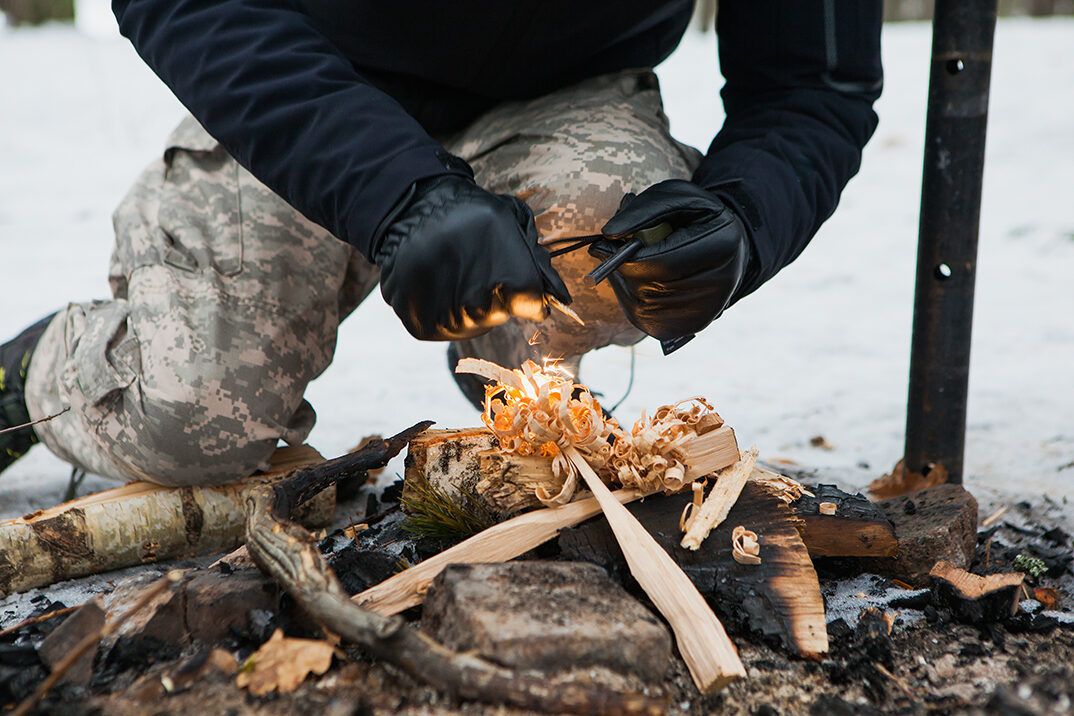
In wet winter conditions, it's essential to use high-energy ignition sources and dry tinder to start a fire. A ferrocerium rod, lighter, or waterproof matches c
Winter fire management requires careful planning and execution to ensure a reliable heat source. Effective fire management techniques include storing firewood i
The best time for building a survival garden is in early spring to late summer, typically between March and September, when temperatures are mild and rainfall i
In temperate climates, the ideal time to start planting a survival garden in spring is typically 2-4 weeks after the last frost date, when the soil has warmed u
To avoid hypothermia during winter camping, dress in layers, use a four-season tent with a waterproof rain fly, and maintain a core body temperature above 95°F
To track winter animals in snow, use a combination of observation skills, such as looking for tracks, scat, and hair, and utilize techniques like following snow
In fall conditions, signal for rescue using a whistle at 3-second intervals, fire signals, or mirror reflections towards aircraft, and build a visible shelter w
Fishing gear can be an effective tool for summer survival cooking, as it allows for the capture of aquatic animals and plants, providing a reliable source of pr
Food preservation techniques can indeed vary by season due to differences in climate, temperature, and humidity.
You can build a summer shelter with only natural materials, such as branches, leaves, and mud.
A tarp can provide a decent winter shelter if properly secured and insulated, but it's essential to weigh the risks and consider alternative options for harsh w
Wild fruits can be a reliable source of nutrition in fall, but it's essential to identify edible species and prepare them properly to avoid spoilage and foodbor
Using a hammock for winter survival is not recommended due to cold temperatures and potential moisture accumulation, but with proper preparation and insulation,
Fallen branches can be used for winter shelter construction, but it's essential to choose sturdy branches that can withstand harsh weather conditions.
Yes, with proper planning and execution, homemade shelters can be used in winter without significant risk, but they must be designed to withstand harsh weather
Layering effectively can manage cold exposure all winter by providing a breathable, temperature-regulating system that maintains body heat without overheating.
Summer heat can significantly impact food preservation methods by causing spoilage, bacterial growth, and the degradation of nutrients, making it essential to a
Hunting during seasonal migration periods can be challenging but not impossible. Understanding the timing and routes of the migration is crucial for successful
Relying on a single food source during winter is not advisable, as it increases the risk of food spoilage, nutritional deficiencies, and starvation if supply ru
Yes, a tent can be used for winter camping, but safety precautions and proper preparation are crucial to prevent hypothermia and frostbite.
To cope with heavy snow, adapt your shelter by increasing ventilation, securing it against wind and snow drifts, and using insulating materials to maintain warm
Yes, different regions require unique seasonal strategies due to varying weather patterns, temperature fluctuations, and available resources.
Human scents can significantly affect hunting success, particularly in the spring and fall seasons when scents are more potent. Hunters should be mindful of the
Yes, location and season significantly impact animal behavior, influencing their migration patterns, food sources, and habitat preferences.
Seasonal changes significantly impact food cache strategies, requiring adjustments in storage, rotation, and accessibility to ensure the preservation and availa
Seasonal changes do impact shelter construction techniques. Shelters need to be adapted to withstand various weather conditions, from heavy snowfall in winter t
In summer drought conditions, emergency water sources include collecting dew or fog, using rainwater harvesting systems, and identifying potential water sources
For fall hunting season, prepare by stockpiling non-perishable food, building a shelter with insulating materials, and knowing how to start a warm fire using dr
To stay safe during summer thunderstorms, seek shelter immediately if a storm warning is issued, and avoid being in open areas or near tall objects that can con
Seasonal weather patterns significantly impact fishing success, with changing temperatures, precipitation, and daylight hours affecting fish behavior, migration
Hunting pressure changes significantly by season, with peak pressure typically occurring during the fall and early winter months, and lighter pressure during th
Wild animal diets adapt to seasonal changes to ensure their survival. As food sources become scarce or abundant, their diets shift to maximize energy intake and
In extreme winter conditions, a person can survive without food for 2-3 weeks, but this time frame can be significantly reduced due to increased energy expendit
For a week-long winter trip, plan to store 2-4 pounds of high-calorie food per person per day, considering factors like activity level, age, and climate. This t
Shelter inspections should be conducted weekly during winter, considering the harsh conditions and potential damage to structures from heavy snow, ice, and free
Check your food caches every 2-4 weeks during the active season and at least once a month during the winter months. This frequency helps ensure your food remain
To adapt a winter survival pack for warm weather, remove cold-weather gear, add lightweight insect repellent, and include a sun protection kit with a hat, sungl
Adapting clothing for variable weather conditions involves layering with breathable materials, selecting moisture-wicking fabrics, and choosing gear that can be
Building a sustainable food supply for winter involves stockpiling non-perishable food items, storing seeds for future planting, and learning preservation techn
Efficiently purifying water from streams in summer requires using techniques that minimize water loss, prevent contamination, and utilize available sunlight. Sa
Identify animal tracks in the snow by looking for distinct patterns, such as the size and shape of the print, and the number of toes. Study the track's orientat
Frostbite signs include pale or waxy skin, numbness or tingling, and blisters or frostnip. Monitor extremities, particularly fingers, toes, ears, and nose, for
Maintaining morale during extended survival scenarios is crucial, and it can be achieved by setting clear goals, staying physically active, and fostering a sens
To modify gear for extreme winter conditions, prioritize waterproofing, insulation, and wind protection, and consider upgrading to materials like down or synthe
Prepare for sudden fall weather changes by building a well-stocked emergency kit, maintaining a reliable shelter, and staying informed about local weather forec
To prepare for winter camping in the mountains, research the area's weather patterns, plan for extreme cold, and pack essential gear such as a four-season tent,
To protect your food supply from pests, store food in airtight containers, keep them clean and dry, and seal any holes or gaps in your food storage area. Use ro
To protect your shelter from wildlife in autumn, use materials like branches, sticks, and leaves to reinforce the structure, and consider adding a secure roof w
To select the best location for seasonal hunting, consider terrain features, access to water and food sources, and shelter options. A location with a mix of har
A cooler is not sufficient for summer food storage due to its limited ability to maintain low temperatures, usually only able to keep food from spoiling for a s
Hunting in the rain during summer can be challenging but not entirely unadvisable. It's essential to consider the type of terrain, animal behavior, and your gea
Foraging for wild edibles in spring can be challenging and sometimes hazardous due to the presence of toxic lookalikes, contaminated water, and variable plant g