03 — Pillar · Survival
Expert guides and Q&A about shelter lean to improvised.
Q&A in this topic
60 total
Solo camping with a lean-to shelter offers several advantages. It is lightweight, easy to set up, and requires minimal equipment. A well-built lean-to can provi
Alternative structures to a lean-to for shelter include debris huts, snow shelters, and earth lodges, which offer more protection from the elements and can be b
Yes, there are modern materials that can enhance lean-to shelters, including lightweight plastics, space-age nylon tarps, and durable metal rods.
Yes, there are regulations on building shelters in national parks, which vary by park and are enforced by park rangers.
Building in snow requires consideration of structural integrity, insulation, and wind resistance to ensure safety and stability. The unique properties of snow a
Regulations for building shelters in forests vary by country and jurisdiction but generally aim to minimize environmental impact and provide safe public access.
For a winter lean-to, use materials that provide good insulation, wind resistance, and moisture protection. Balsam fir, spruce, or aspen branches are ideal due
For a lean-to shelter, the best fire types for cooking are small, low-maintenance fires that require minimal fuel and can be easily controlled, such as small tw
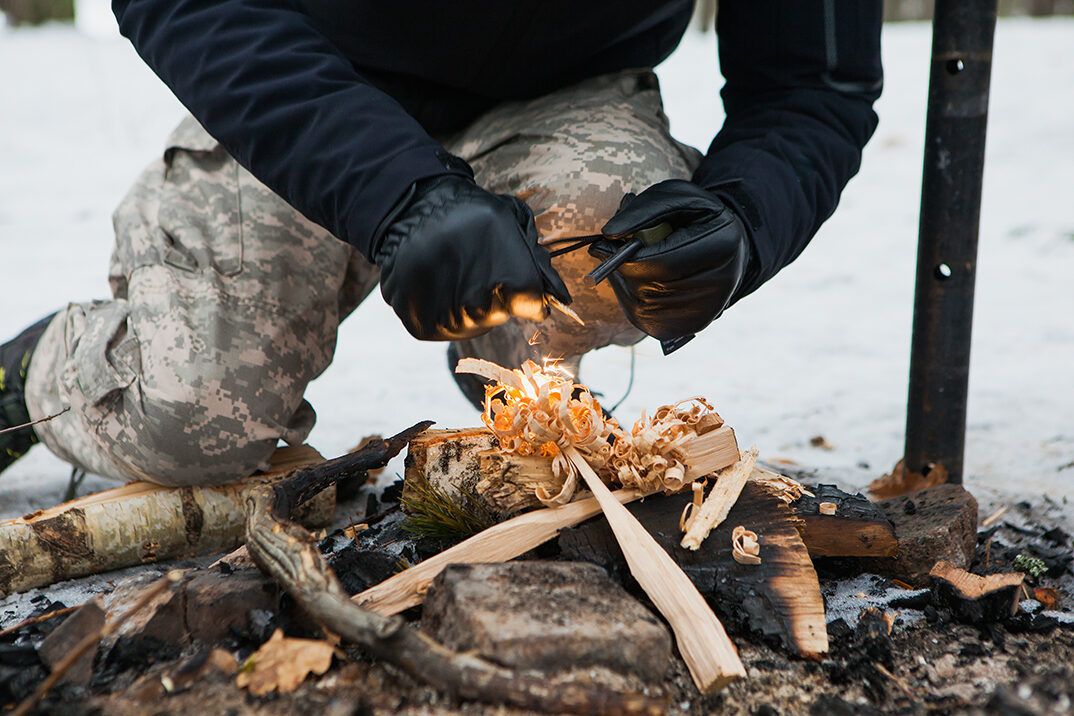
Lean-to shelters can be an effective way to protect yourself from the elements, and having a reliable fire starter is crucial for warmth, light, and cooking. A
For a lean-to, use firewood types with high caloric density and minimal smoke production, such as hardwoods like oak, maple, and ash, which burn hot and provide
A lean-to shelter in the woods should be situated under a group of trees with a relatively flat area, preferably near a water source, and ideally on a slight in
For lean-to construction in rain, use a sturdy tree branch or pole as a ridgepole, secure a waterproof tarp or plastic sheeting with rope or twine, and angle th
Position a lean-to on a slope with the entrance on the uphill side, facing away from the wind, and the lowest side of the lean-to on the down slope. This ensure
To maintain warmth in a lean-to, use dry leaves, grasses, or pine needles to insulate the floor. Add a bed of warm materials like animal hides, blankets, or jac
The best type of wood for constructing a ridgepole is a sturdy, straight-grained hardwood such as ash, oak, or hickory, which can withstand significant weight a
A lean-to can be constructed with minimal space, requiring only a few square feet of area to set up a basic shelter.
Lean-to shelters can be effectively used in tropical climates, but they require careful planning and execution to withstand heavy rainfall and high winds.
Lean-to shelters can be built without tools, requiring only basic materials and manual labor. A lean-to shelter is a simple, effective structure that can provid
A lean-to shelter can double as a cooking area, but it requires some planning and execution to ensure safety and efficiency.
A Lean-To Shelter can provide some protection against heavy rain, but its effectiveness depends on various factors such as the design, materials, and environmen
Animals can pose a risk when using a lean-to if they view the structure as a potential den or food source.
Yes, you can build a lean-to with limited resources, using branches, leaves, or other readily available materials to create a simple shelter.
Yes, you can customize the size of your lean-to shelter, depending on the materials you have and the space you need. This flexibility allows you to create a she
Yes, you can integrate solar materials into a lean-to design to enhance its functionality, reduce maintenance, and increase its lifespan. This can be achieved b
You can modify the design of a lean-to for personal needs. This flexibility is essential for a shelter that needs to accommodate various users or adapt to chang
A fallen tree can serve as a suitable ridgepole for a lean-to shelter, but it must be evaluated for stability, straightness, and sufficient length, ideally betw
Lean-to shelters can be a reliable option for temporary or short-term housing, but they may not be suitable for permanent residences due to structural integrity
Yes, you can use leaves for insulation in a lean-to, but they need to be used correctly to maximize their effectiveness.
Yes, tarps can be used as coverage for a lean-to. They provide a waterproof layer and can be easily attached to the structure. A large tarp is recommended to en
Lean-To Shelters Attract Wildlife: No, but may be a concern if improperly constructed.
Lean-To Shelters Can Be Effectively Camouflaged with the right materials and techniques. By blending the shelter into its surroundings, you can avoid detection
A lean-to can be built in urban areas, but it's essential to consider local regulations and find a suitable location, such as a vacant lot or a wooded area near
Lean-To shelters can be combined with other types to create more robust and secure structures. This approach is useful when resources are limited or the environ
A lean-to can be made without a ridgepole by using a series of support poles and branches to create a sloping roof structure, often using a natural slope or a s
Branches can be used as a coverage material for building a lean-to shelter. They are lightweight, abundant in many environments, and can provide sufficient prot
Common Mistakes When Building A Lean-To Shelter:
A ground cover in your lean-to can enhance comfort, reduce moisture, and minimize the risk of injury from sharp objects, but it is not strictly necessary if you
Lean-to shelters can provide some protection from snow, but their effectiveness depends on design, location, and weather conditions.
SIZE does not significantly impact the effectiveness of a lean-to shelter, but it can affect the durability and comfort of the structure.
Yes, the angle of the roof in a lean-to significantly affects drainage, as an improper angle can lead to water accumulation and compromise the structure's integ
Yes, the orientation of a lean-to significantly affects its warmth, with east or south-facing orientations providing the most warmth due to direct sunlight.
Winterizing a lean-to shelter involves securing the structure, insulating the interior, and protecting against wind and precipitation. This can be achieved thro
To build a lean-to shelter, essential tools include a sturdy branch or pole for the ridgepole, smaller branches for the rafters, cordage or twine for tying the
Lean-to shelters can provide adequate protection from harsh weather conditions when properly constructed and equipped with a reliable heat source. For optimal h
Natural light can significantly influence the comfort of a lean-to, providing psychological benefits and helping occupants navigate their surroundings.
Short Answer: Climate affects lean-to shelter design by influencing the choice of materials, angle of the roof, and overall structure to ensure durability and p
Camouflage for a survival shelter is crucial for protection from harsh weather, wildlife, and human detection. A well-camouflaged shelter can reduce the risk of
A well-maintained lean-to can last for several months to a year, depending on weather conditions and the quality of materials used.
It takes approximately 2-4 hours to build a basic lean-to shelter, depending on the materials and tools available. This timeframe allows for gathering materials
A lean-to structure, typically built by leaning branches against a natural or created support, can comfortably accommodate 2-3 people depending on the size of t
For a basic lean-to shelter, you will need enough coverage material to create a slope of about 45 degrees, with each end supported by two to three stakes. Aim f
Ridgepole strength is a crucial factor in building a stable and safe lean-to shelter. The ridgepole should be able to support the weight of the structure and wi
To blend a lean-to into the natural surroundings, select a location with existing foliage and camouflage any unnatural materials used in the structure. Use bran
Choose a location for a fire that is at least 15 feet away from any flammable materials and has a clear escape route. Consider wind direction and elevation to m
Collect natural insulation materials like dry grass, leaves, and pine needles, and use them to line your shelter or create a layer of insulation between you and
Build a lean-to shelter by gathering materials, selecting a suitable location, and constructing a sturdy frame, all while minimizing disturbance to the natural
To ensure privacy when using a lean-to in the wild, position it in a location that blocks the view from surrounding areas, such as near a slope or behind a scre
To improve air circulation in a lean-to, use a combination of ventilation techniques, including creating a gap at the top of the lean-to and adding a windbreak
A lean-to can be improved for durability by securing the ridgepole to a stable anchor point, covering the structure with a waterproof material, and adding addit
Insulate a lean-to shelter effectively by using natural materials like leaves, grasses, or pine needles to create a layer of insulation between the roof and the