03 — Pillar · Survival
Expert guides and Q&A about shelter tree platforms.
Q&A in this topic
60 total
Sandbags are moderately effective for flood-potential areas when used in combination with other flood protection measures, but they should not be relied upon as
Effective natural barriers against flooding in the jungle include creating elevated platforms on sturdy trees and selecting land with a natural slope to direct
Tree Platform Shelters are generally safe in moderate winds, but their stability in high winds depends on several factors.
Tree platforms can be an effective solution against rising water levels, especially when elevated and designed with proper drainage and waterproofing features.
Stockpile non-perishable foods that are high in calories, protein, and nutrients, such as energy bars, canned goods, and dry legumes. These foods should be stor
In case of a flood while camping, it's crucial to have a well-prepared emergency plan that includes knowing evacuation zones, having a flood warning system in p
When selecting the best location for a tree platform shelter, consider factors such as tree stability, wind direction, sunlight, accessibility, and proximity to
Effective camouflaging of a tree platform shelter requires blending the structure with its surroundings, using natural materials and techniques to minimize visi
Elevate structures at least 3 feet above the predicted flood elevation, and consider using pilings or piers to transfer the weight of the structure to a deeper
To set up a stealthy tree platform, choose a sturdy tree with a wide trunk (at least 8 inches in diameter), ideally with a lean or bend that obstructs the view
During a flood situation, foraging for food and safe shelter is crucial. Focus on high-ground areas, and avoid contaminated water sources. Use shelter tree plat
To construct a flood-resistant tree platform, use a sturdy tree with a wide trunk, ideally with a diameter of at least 8 inches, and build it at least 10-15 fee
When navigating through the jungle, it's essential to be aware of your surroundings and take necessary precautions to avoid wildlife encounters. Wear protective
To test the stability of a tree platform, gently pull on the ropes, inspect knots, and check for wobbliness by standing on it. A stable platform should be firm
COMMON MISTAKES WHEN BUILDING A TREE PLATFORM SHELTER INCLUDE POORLY CHOSEN TREE SPECIES, INADEQUATE TREE BRANCH STRENGTH, AND LACK OF PROPER ANCHORAGE TO PREVE
A tree platform shelter can offer better climate control through strategic design and placement, leveraging natural ventilation and insulation to regulate tempe
A tree shelter can protect against insects in the jungle to some extent, but it may not be 100% effective against all types of insects. The shelter can reduce e
Building upstream can indeed help avoid flood risks by altering the water flow direction. This technique creates a barrier that diverts excess water away from y
Elevating your camp can help prevent flood damage by protecting your shelter and belongings from rising water, but it's crucial to choose a location with suffic
Jungle animals can be a useful indicator of safe areas for shelters due to their instinctual behavior, such as avoiding areas with predators or toxic plants. Ob
Tree Platform Shelters can be constructed solo, but it requires careful planning and execution to ensure stability and safety.
Tree platforms can be used for temporary emergency shelters, providing a dry and relatively safe space to wait out a storm or other adverse conditions.
Yes, it's possible to build a tree platform shelter without power tools, using hand tools and manual labor.
Tree platforms can be a reliable option during extended flooding events, but their stability depends on proper construction and anchoring, which can be compromi
Natural barriers can provide some level of flood prevention, but their effectiveness depends on factors like elevation, terrain, and the severity of the flood.
Building a tree shelter in tropical regions is challenging due to high winds, heavy rainfall, and intense sunlight, but it can be done safely with proper planni
A tree platform can be a viable option for flood evacuation, providing temporary shelter above the floodwaters. However, it requires careful selection and prepa
Tarps can be used to enhance flood protection for your shelter by elevating it above the floodwaters, creating a waterproof barrier around the base, and redirec
Common Mistakes When Elevating Camps In Flood-Prone Areas:
Community resources for flood preparedness include local emergency management offices, American Red Cross chapters, and the Federal Emergency Management Agency
Short Answer: In floods, ground shelters are generally more reliable than tree platforms, as they provide better protection from rising water and potential haza
To create a rainwater collection system in a tree shelter, you'll need a sturdy platform, gutters, and a water storage container. Ensure the system is designed
Dealing with wildlife while in a tree shelter requires understanding their behavior, being prepared, and adhering to safety protocols. It's essential to respect
Not all trees provide equal flood coverage for camps, as some have shallower root systems or grow in areas prone to erosion, increasing the risk of damage or co
Elevated shelters can offer better ventilation in humid weather due to their elevated position, allowing for cross-ventilation and airflow. They can also provid
Tree platforms may not provide adequate safety from flash floods due to their elevation and exposure to heavy rainfall run-off.
Yes, tree platforms generally require more maintenance in wet environments due to accelerated rot and damage risks from excessive moisture.
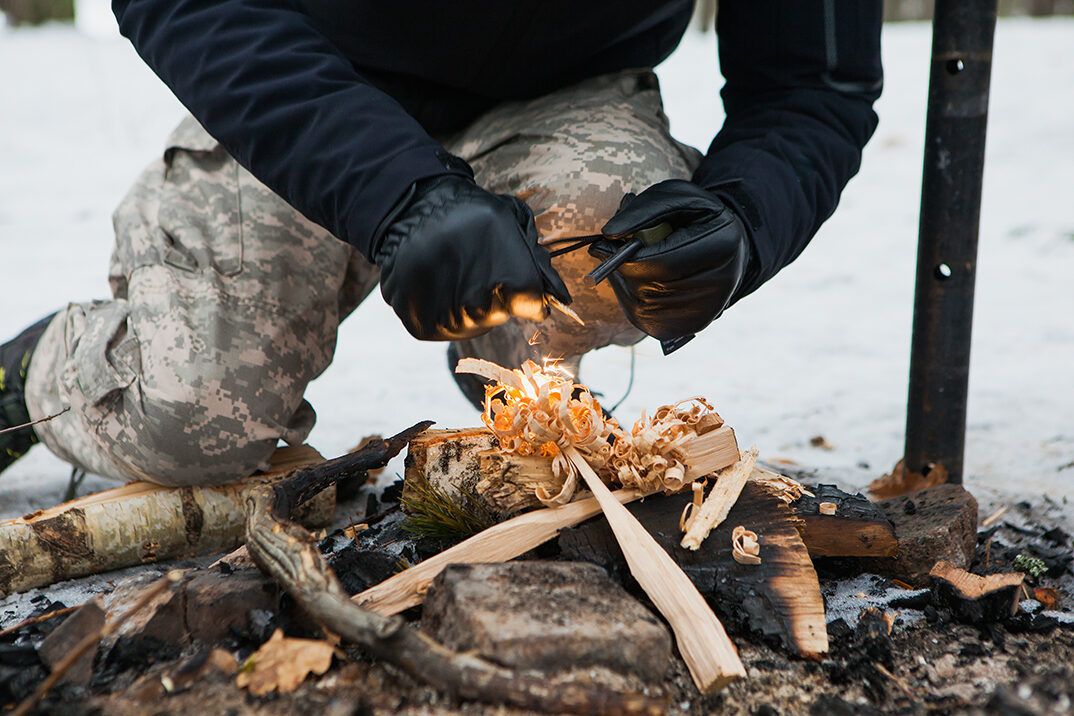
In wet weather conditions, emergency fire-making techniques involve using water-resistant materials and techniques to create a fire. This includes using a metal
A tree platform shelter should have a sturdy base, a secure enclosure, and a waterproof roof to protect users from the elements. The structure should be elevate
Essential gear for flood survival in remote areas includes a portable water filter, durable rope, and a first aid kit, along with a reliable means of starting a
A jungle survival kit should include essential items such as a water filter or purification tablets, a knife or multi-tool, and a waterproof match case or light
Pack essential tools like a portable water filter, multi-tool, and rope to ensure jungle survival, along with a first aid kit and emergency shelter options.
To avoid floods in off-grid living, identify high ground and elevate your shelter or home to a safe height, such as 10-15 feet above the surrounding terrain. Co
Effective flood mitigation methods for sustainable living include building flood-resistant structures, implementing green infrastructure, and utilizing natural
When traveling through wetland regions, be aware of flood safety and follow local guidelines, avoid low-lying areas, and stay informed about weather conditions.
Flood survival myths can be life-threatening, and it's crucial to separate fact from fiction to stay safe. One common myth is that floodwaters are always brown
HEIGHT CONSIDERATIONS FOR TREE PLATFORM SHELTERS should be at least 40 feet off the ground to avoid interference from branches and leaves, while also providing
Short Answer: Prepare your off-grid home for heavy rains by installing a waterproof roof, securing loose outdoor items, and ensuring proper drainage around your
Seasonal changes significantly impact flood risks in wilderness areas, with increased risk associated with heavy rainfall and snowmelt during spring and early s
To build a jungle shelter, gather long, sturdy branches, flexible saplings, and a tarp or large leaf for roofing. Construct a platform of interlocking logs and
When selecting ideal locations for flood-resistant structures, consider areas with high ground elevation, minimal flood risk, and proximity to natural barriers
When choosing a tree for your shelter, consider its height, stability, and overhead canopy coverage. Look for trees with sturdy branches and a wide trunk to ens
To create an emergency flood plan while off-grid, identify flood zones, assess your shelter's elevation, and prepare a high-ground evacuation route with essenti
Create an emergency communication plan for flood situations by identifying a meeting point, assigning a contact person, and establishing a communication channel
In flood-prone areas, finding safe water sources requires assessing potential water contamination risks, identifying high ground, and evaluating water treatment
Identify trees with dead or weak limbs, signs of decay, or shallow roots, as they can fall or snap off, posing a threat to your shelter. Look for trees with vis
Flood risk zones can be identified by examining topography, water flow patterns, and precipitation data, as well as historical records of flooding events. A com
To insulate a tree platform shelter for cold weather, use a combination of natural and synthetic materials, such as leaves, grasses, and foam insulation. Apply
To make your shelter less visible to wildlife, use natural camouflage, conceal your structure with branches and leaves, and choose a shelter location that blend
To navigate dangerous terrain during flood conditions, stay alert, keep a safe distance from fast-moving water, and use landmarks to identify potential hazards.