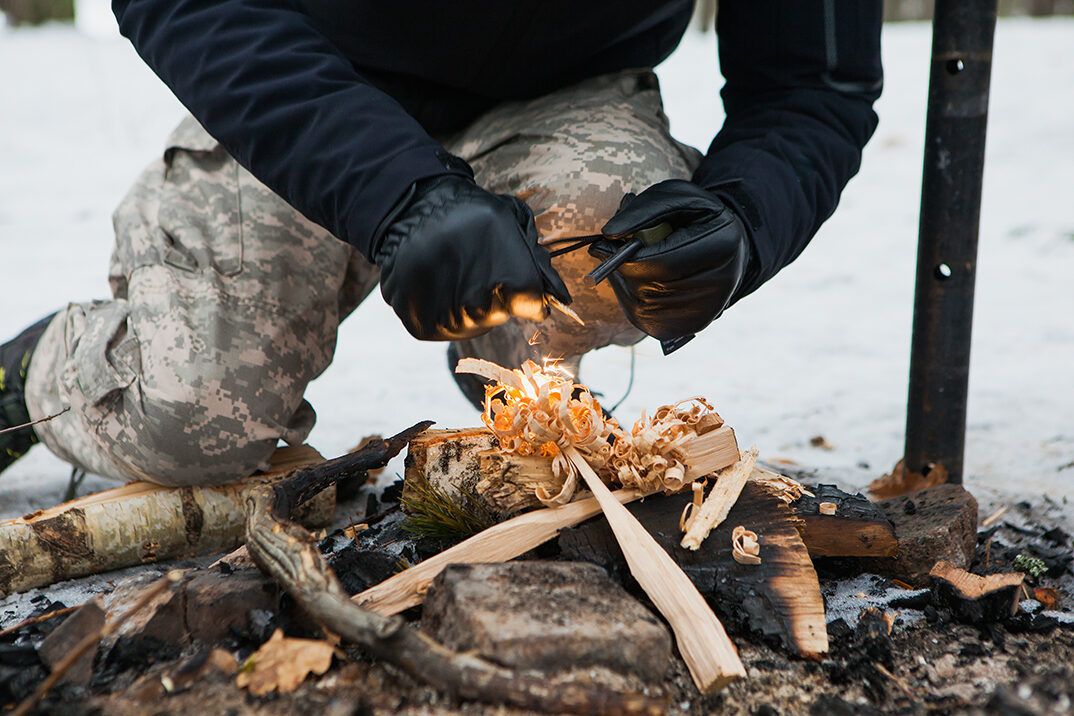
03 — Pillar · Survival
Expert guides and Q&A about survival decision making.
Q&A in this topic
60 total
Behavioral changes in wildlife during emergencies include altered migration patterns, changed feeding habits, increased aggression, and modified social structur
Specific indicators that suggest immediate action is needed include changes in weather, visible signs of natural disasters, and direct threats from wildlife or
To overcome decision fatigue, prioritize choices, minimize options, and schedule decisions for optimal mental states. This can be achieved through pre-planning
Warning signs indicating a change in the environment can include unusual animal behavior, changes in air pressure, and unexplained noises or smells. These indic
When assessing danger, retreat is generally the safer option, especially with wildlife threats. Confrontation should only be considered when absolutely necessar
When assessing long-term survival vs short-term safety, consider factors that ensure a stable food source, access to water, protection from the elements, and po
When lost in the wilderness, the best communication methods are those that conserve energy and increase visibility, such as using mirrors or flares to signal fo
Carry a portable first aid kit with essential supplies like bandages, antiseptic wipes, pain relievers, and blister care. Consider adding personal medications a
Maintain calmness by prioritizing your goals, focusing on essential tasks, and using the \
ADRENALINE CAN CLOUD YOUR JUDGMENT DURING A CRISIS, LEADING TO POOR DECISION-MAKING AND INCREASED RISK.
Environmental cues can significantly aid survival decisions by providing crucial information about one's surroundings, helping to assess risks, and guide immedi
Group size can impact decision-making quality when lost, as larger groups often produce more diverse opinions, which may lead to faster and more accurate proble
Making quick decisions in survival situations can indeed lead to better outcomes, as delayed decision-making can result in increased exposure to danger and redu
Mindfulness can enhance decision-making in survival scenarios by allowing individuals to assess situations more critically, prioritize tasks effectively, and ma
Practicing mindfulness can lead to better decision-making outcomes as it enhances one's ability to stay present, assess risks accurately, and prioritize effecti
Sharing resources can lead to better survival outcomes in harsh environments, as it allows individuals to pool their skills, knowledge, and equipment to address
STAYING PUT CAN BE DANGEROUS IF YOU'RE IN A LOCATION WITH A HIGH RISK OF FLASH FLOODING, SEISMIC ACTIVITY, OR STRUCTURAL COLLAPSE, ESPECIALLY IF YOU'RE UNABLE T
STRESS CAN SEVERELY IMPAIR DECISION-MAKING ABILITY IN SURVIVAL SITUATIONS BY INTRODUCING DISTORTIONS, BIASES, AND IMPULSES THAT LEAD TO IRREASONABLE CHOICES. --
The presence of others can significantly impact survival choices, as group dynamics and individual roles can either amplify or mitigate risks, and the need to p
In a crisis, the most experienced and level-headed member of the group should lead, ideally someone with survival skills and a clear head under stress. This per
A well-planned survival strategy can minimize anxiety and panic by providing a clear framework for decision-making and action during a crisis. By anticipating p
Knowledge of local wildlife can significantly influence a survival strategy by allowing individuals to anticipate and prepare for potential threats or opportuni
Past experiences can significantly shape future survival decisions by influencing risk assessment, emotional response, and learned behaviors.
Previous outdoor experiences can significantly shape future decisions by influencing risk assessment, developing problem-solving skills, and fostering emotional
Understanding local wildlife can help survival strategies by providing crucial information on potential threats and resources, allowing for more informed decisi
INSTINCTS INFLUENCE SURVIVAL CHOICES BY AUTOMATICALLY PRIORITY-SETTING, ALLOWING INDIVIDUALS TO QUICKLY REACT TO LIFE-THREATENING SITUATIONS. UNDER PRESSURE, IN
Social dynamics significantly influence survival decision-making by introducing new variables such as group dynamics, leadership, and the needs of others. In th
Anxiety can skew your risk assessment by amplifying perceived threats and overestimating danger, leading to overly cautious or even panicked decision-making.
Fatigue significantly impairs survival decision making by clouding judgment, reducing critical thinking, and increasing risk aversion. This can lead to poor cho
Physical condition can significantly impact decision-making in emergencies, as it affects cognitive function, reaction time, and judgment. A fatigued or injured
Sleep deprivation significantly impairs judgment during emergencies, increasing the likelihood of poor decision-making and risk-taking behaviors. This can lead
The environment significantly impacts your choices during a crisis, dictating the risks and opportunities you face. Harsh weather, terrain, and other factors ca
Weather significantly influences risk assessment in survival planning by indicating potential hazards such as floods, landslides, or extreme temperatures, which
Decision-making under extreme weather conditions is significantly impaired due to stress, limited visibility, and reduced situational awareness. This can lead t
Evaluate the urgency of a rescue situation by assessing the severity of injuries, environmental factors, and the availability of resources. Consider the number
To prepare for decision fatigue in survival scenarios, prioritize simple, low-stakes decisions early, and reserve complex choices for when mental clarity return
Prioritize water, then shelter, followed by food, as access to clean drinking water is essential to sustain life, and shelter protects from harsh elements and p
Teamwork is crucial in critical survival situations, as it allows individuals to share skills, workload, and knowledge, ultimately increasing the chances of sur
Assessing food sources for safety while foraging requires attention to potential allergens, toxins, and contaminants. Be aware of your surroundings, the time of
Assess the stream's water quality by looking for signs of contamination, such as visible waste, algae blooms, or unusual odors, and by testing the pH and turbid
To balance risk vs reward when navigating wild terrain, prioritize assessing potential hazards, weigh the consequences of failure, and make informed decisions b
In survival situations, determine whether to prioritize shelter or food by considering the immediate risk of exposure and the availability of resources. If expo
Maintaining composure during emergencies requires a clear head, prioritized thinking, and a focus on executing a well-planned survival strategy. This mental sta
Evaluate terrain based on its potential to provide or hinder access to resources such as food, water, shelter, and safety. Assess the terrain's steepness, terra
To evaluate the impact of noise on your survival strategy, identify potential threats and opportunities in your surroundings, assess their likelihood and severi
Assess nighttime travel by considering your environment, the weather, the terrain, and any potential hazards or threats. Research the area beforehand to gather
Utilize maps to assess terrain, identify resources, and plan escape routes to make strategic survival choices and stay ahead of potential threats.
Mental clarity is crucial in survival decision making as it enables individuals to assess risks accurately, prioritize tasks, and make sound judgments under dur
A survival plan is essential for any outdoor adventure, regardless of duration or location, to ensure timely decision making and reduce the risk of accidents or
Assessing risk in survival scenarios is crucial for success because it helps you make informed decisions under stress, avoid unnecessary dangers, and allocate r
Creating distractions in survival situations can be a valuable tactic to gain an advantage or escape danger, but it should be carefully planned and executed to
Signaling for help can be advisable if you're in a visible area with a clear line of sight to potential rescuers, and you've made sure to remove any shiny or re
Practicing survival scenarios with a group can significantly enhance decision-making skills, risk assessment, and emergency preparedness, as it allows individua
STAY PUT or EVACUATE: The Right Decision Depends on the Situation. In general, it's better to stay put when shelter is readily available, water is accessible, a
It is necessary to scout multiple exit routes beforehand to ensure quick and safe evacuation in emergency situations.
Establishing a signal fire can be a wise decision when stranded, as it increases your visibility to potential rescuers, but maintaining a low profile may be mor
Splitting up when lost in the wilderness is generally not recommended, as it increases the risk of injury or death due to separation from the rest of the group.
Practicing decision-making skills is essential for outdoor safety. It helps individuals develop the critical thinking and problem-solving abilities necessary to
TEAMWORK IS ESSENTIAL DURING HIGH-STRESS SURVIVAL EVENTS AS IT ENHANCES COORDINATION, SHARPLY REDUCES STRESS, AND INCREASES THE PROBABILITY OF SUCCESSFULLY OVER
Critical survival choices are best made during periods of reduced physiological stress, such as when the body's cortisol levels are lower, typically during the