03 — Pillar · Survival
Survival skills for backcountry emergencies, wilderness navigation, and survival priorities.
Q&A in this topic
15 total
Assess ford location: shallow, slow-moving section with good exit. Wear shoes for traction (go barefoot only as last resort). If using stick, position diagonall
River crossings present drowning and hypothermia risks. Safe techniques prioritize staying dry and maintaining footing.
Altitude sickness occurs above 8,000 feet when body can't absorb enough oxygen. Symptoms: headache, nausea, fatigue, dizziness. Prevention: gradual ascent (accl
Animal attacks occur rarely but require specific responses. Bear, large cat, and wild dog attacks need different tactics.
Lightning safety: seek shelter indoors (buildings, vehicles) when thunderstorms develop. If no shelter, crouch low (don't lie flat), minimize contact with groun
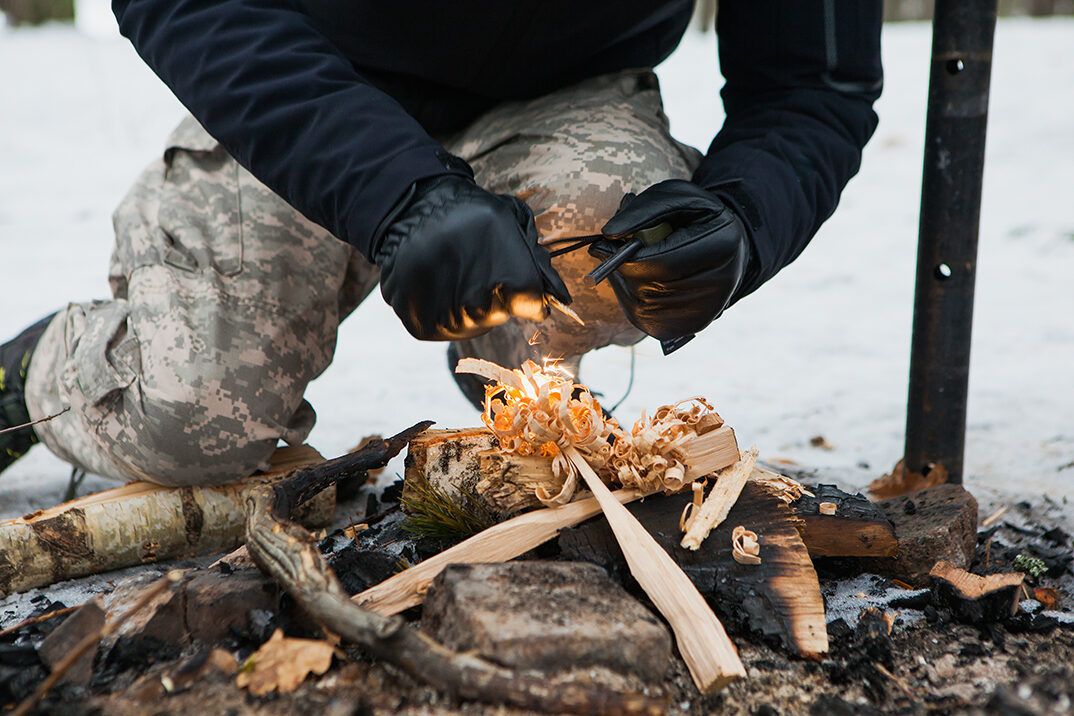
Fire building prevents hypothermia. Water treatment prevents illness. Shelter construction protects from elements. Navigation prevents becoming lost. Signaling
Knot tying creates muscle memory. Fire building develops confidence. Navigation builds spatial awareness. Shelter construction improves with practice. First aid
A good survival knife must be full-tang (the steel extends through the entire handle), have a 4-6 inch blade of quality stainless or carbon steel (14C28N, S30V,
Stay with raft rather than attempt swimming to land. Ration freshwater—saltwater prevents drinking. Sea anchors slow drift maximizing rescue time. Signaling dev
Thorough planning prevents emergencies. Physical conditioning builds stamina. Equipment testing ensures reliability. Route planning identifies challenges. Team
Dense vegetation restricts navigation and visibility. Humidity accelerates dehydration paradoxically. Insects and parasites cause constant irritation. Water abu
Shelter prevents hypothermia. Water prevents dehydration. Fire provides warmth and psychological benefit. Signaling enables rescue. Food becomes priority after
Navigation prevents becoming lost. Shelter building maintains body temperature. Fire provides warmth and morale. Signaling enables rescue location. Water treatm
Stay calm preventing panic-driven mistakes. Focus on immediate shelter and water. Signaling for rescue improves outcomes. Accept circumstances enabling mental r
Regular practice builds confidence. Mental preparation improves decision making. Equipment testing prevents surprises. Community learning accelerates knowledge.